
Protecting Future Consumers Through Today’s Injury Cases
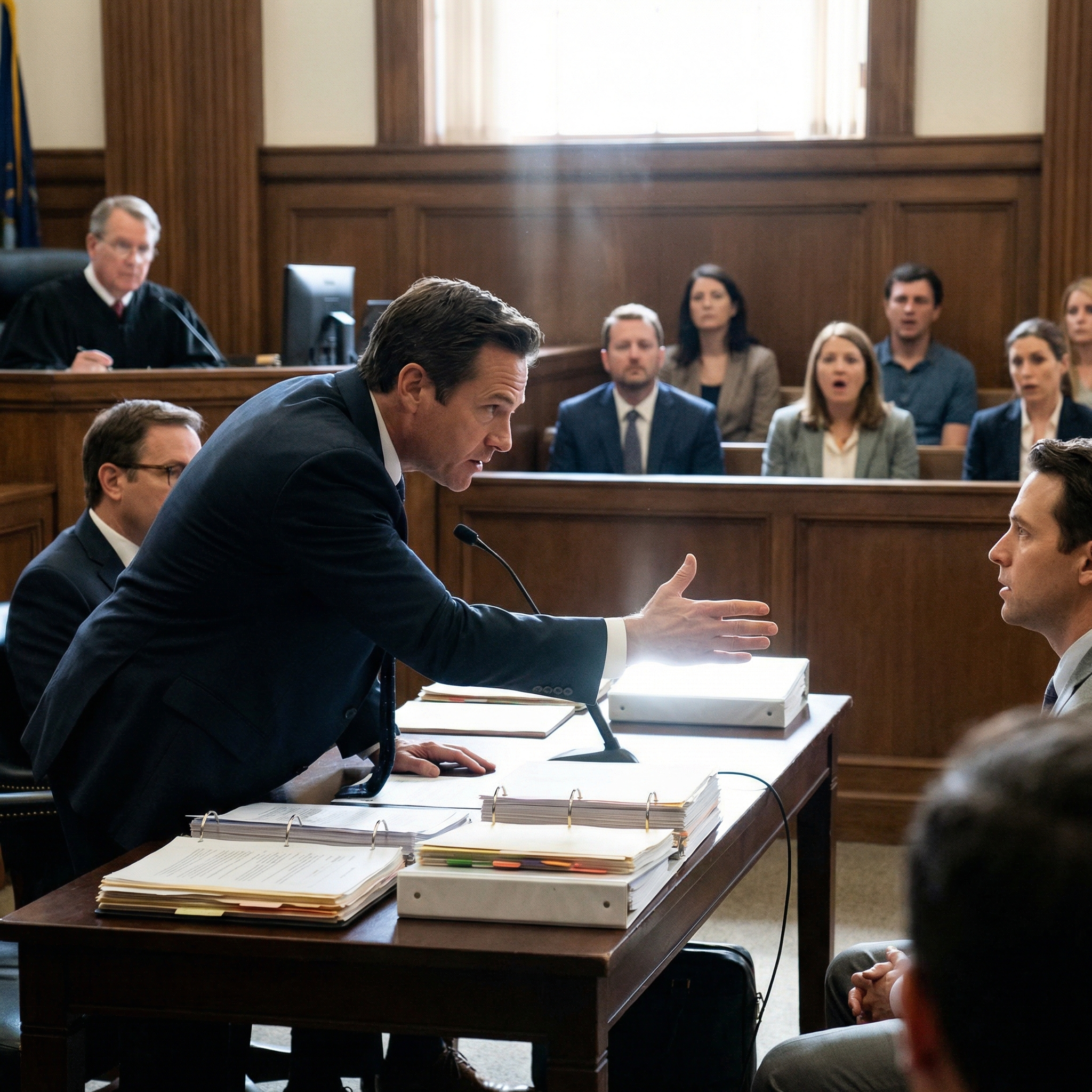
Every dangerous product tells a story, and personal injury law is often the first place that story is heard. When a defective device, vehicle, medication, or household item hurts someone, the lawsuit that follows does more than seek compensation. It exposes design flaws, hidden risks, and corporate choices that might otherwise stay buried. Those revelations become powerful evidence for regulators, lawmakers, and safety advocates pushing for stricter product standards. By standing up after an injury, victims help protect families they will never meet.
Personal injury attorneys are uniquely positioned at the intersection of real-world harm and legal accountability. They collect documents, question manufacturers, and work with experts to trace exactly how a product failed. That information does not just resolve one claim; it can reveal patterns that demand broader change. When lawyers leverage that evidence beyond the courtroom, it strengthens the case for stronger product safety regulations. In this way, individual justice and public protection move forward together.
When Individual Injuries Reveal Systemic Product Hazards
Most unsafe products do not trigger sweeping reform after a single incident. Usually, a pattern of similar injuries has to emerge before regulators or companies take action. Personal injury lawyers are often the first to spot that pattern, because they see cases from different clients who have been hurt in the same way. By connecting those dots, they can show that a danger is not random user error, but the result of a flawed design or inadequate warning. That distinction is crucial when arguing that stronger product safety regulations are necessary.
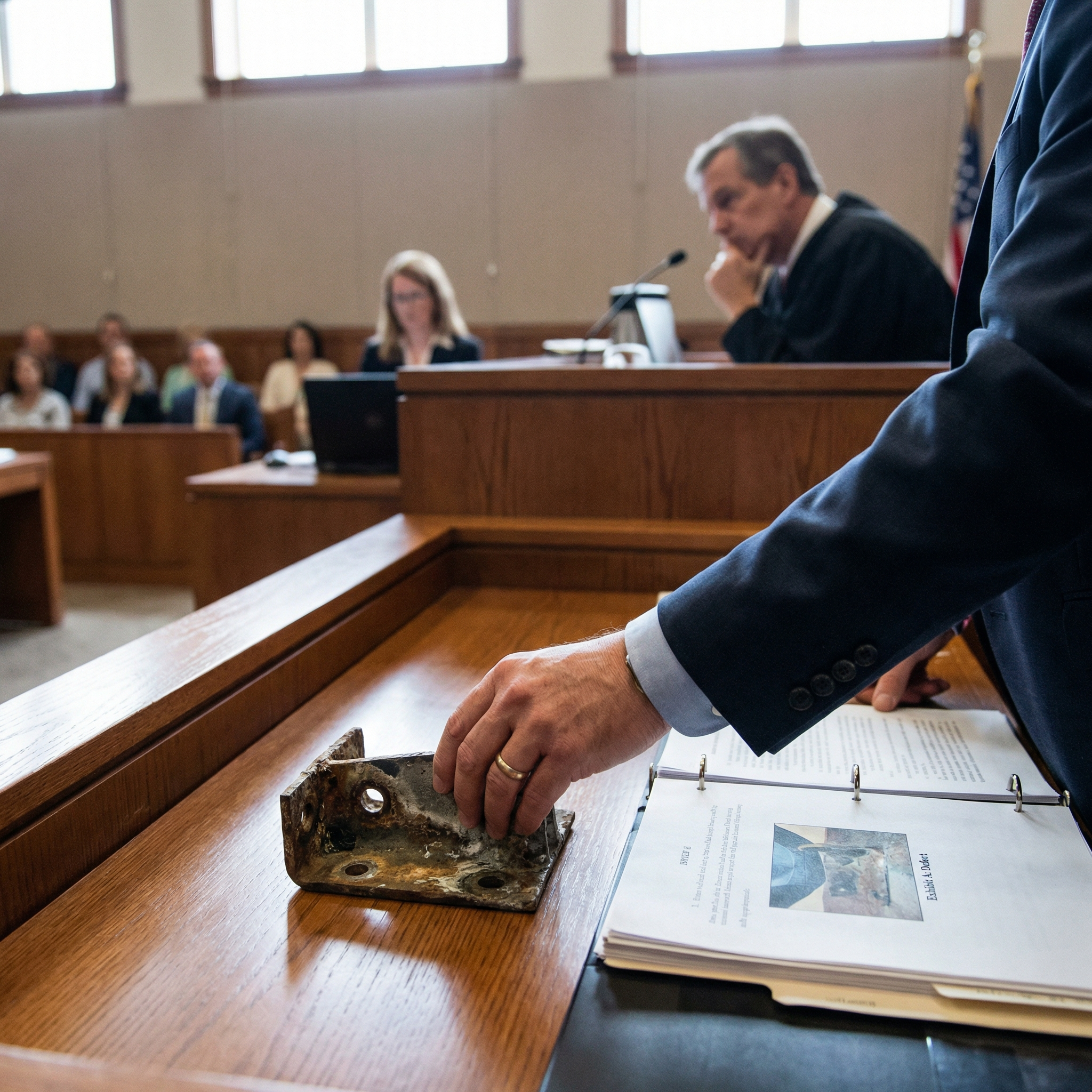
In many product liability cases, key evidence only surfaces during litigation. Internal emails, testing records, and design notes can show that a company knew about a hazard or overlooked critical safety steps. When multiple lawsuits reveal similar internal problems, the story becomes bigger than any single claim. This body of evidence often reaches regulators, consumer groups, and industry watchdogs who are pushing for tighter rules. As a result, one person’s injury can help expose a systemic safety gap that affects thousands of future consumers.
From Lawsuit To Recall: How Legal Action Triggers Safety Reforms
Serious product injury cases frequently lead to more than just a settlement or verdict. When evidence shows that a defect is widespread, public agencies and manufacturers can be pressured to act quickly. Companies may issue recalls, update instructions, or redesign products once litigation makes the risks impossible to ignore. Sometimes regulators open formal investigations after learning details from court filings and expert reports. Each of these steps is part of a larger safety chain that starts with legal advocacy.
Personal injury lawyers can also negotiate for non-monetary safety changes as part of resolving a case. That might include label updates, warning inserts, design modifications, or enhanced testing protocols. While these changes are often confidential, they directly reduce the chance that another family will experience the same harm. In combination with regulatory oversight, lawsuit-driven reforms create overlapping layers of protection. This collaboration between the courtroom and the regulatory arena is what steadily raises the bar for product safety.
Building Cases That Speak To Regulators, Not Just Juries
Effective advocacy for stronger product safety regulations begins long before a case goes to trial. Skilled injury attorneys investigate not only how a product hurt one client, but also how it might threaten the broader public. They work with engineers, human factors experts, and medical professionals to document failures in design, testing, and warnings. These expert findings are written in a way that speaks clearly to regulators and safety boards, not only to jurors. When regulators can easily understand and apply those findings, the path to tighter standards becomes smoother.
Well-structured legal complaints and discovery requests can also highlight where existing regulations fall short. For example, a case might show that a product technically met outdated standards yet still posed a serious hazard. By pointing out that gap, attorneys give policymakers concrete evidence that current rules are not keeping pace with real-world risks. Regulators can then update testing requirements, labeling obligations, or performance thresholds in response. This strategic approach turns individual lawsuits into building blocks for stronger, more modern product safety regulations.
Real-World Paths From Litigation To Safer Products
Across many industries, product liability cases have quietly reshaped safety expectations. Litigation over faulty consumer electronics has encouraged better insulation, clearer overheating warnings, and stricter quality checks. Cases involving unsafe children’s products have pushed manufacturers toward safer materials, improved choking hazard labels, and redesigned fasteners. In the vehicle sector, defect claims have driven changes to restraint systems, braking components, and crashworthiness standards. Each improvement reflects lessons first uncovered in the courtroom.
Medical devices and pharmaceuticals offer another powerful example of this connection. Injury lawsuits have brought to light inadequate testing, poorly communicated side effects, and device failures under normal use. Those findings can lead to new post-market surveillance requirements, stronger warning labels, or even the withdrawal of unsafe products. Over time, these cumulative changes substantially reduce preventable injuries for future patients. While no single case rewrites all the rules, together they form a powerful catalyst for safer products.
What Injured Consumers Can Do To Support Stronger Regulations
People injured by defective products often feel powerless, but their actions matter greatly for broader safety. Reporting the incident to a personal injury lawyer ensures that the details are preserved and investigated professionally. Sharing photos, medical records, and the product itself can help build a clear picture of what went wrong. Victims can also cooperate with recalls and incident reporting systems alongside their attorney’s guidance. Each of these steps generates data that supports future regulatory improvements.
Injured consumers can also give permission for their anonymized case information to be shared with safety organizations when appropriate. With legal counsel, they may submit impact statements or testimony in administrative hearings or legislative sessions. Their real-world stories give depth and urgency to technical discussions about product safety regulations. When policymakers hear directly from affected families, statistics turn into human consequences. That emotional and factual combination can be a decisive force for stronger protections.
Partnering With A Personal Injury Lawyer To Protect Tomorrow’s Families
Choosing to work with a personal injury lawyer after a product-related injury is about more than individual recovery. It is also an act of community protection, because strong cases can drive meaningful safety changes. A knowledgeable attorney can explain how your claim might expose design flaws, influence recalls, or support updated regulations. They will pursue full and fair compensation while also watching for opportunities to advance public safety. This dual mission is at the heart of modern legal advocacy in product liability cases.
When injured consumers and dedicated attorneys collaborate, dangerous products are less likely to stay in the shadows. Each lawsuit becomes a chance to uncover hidden risks, hold manufacturers accountable, and push for better standards. Over time, this steady pressure shapes safer marketplaces for families nationwide. Advocacy for stricter product safety regulations is not abstract; it is built case by case in courtrooms every day. By asserting your rights now, you help ensure that future consumers face fewer preventable dangers.