

Introduction to Flat and Low-Slope Roofing
Flat and low-slope roofing systems are popular choices in both commercial and residential construction due to their unique design and functionality. These roofing types feature gentle slopes or nearly horizontal planes, differentiating them from steeply pitched roofs. Understanding the benefits and challenges associated with flat and low-slope roofs can help property owners make informed decisions about their roofing needs.
Advantages of Flat and Low-Slope Roofs
One of the primary benefits of flat and low-slope roofs is their cost-effectiveness. These roofs typically require fewer materials and less labor to install compared to steep roofs, making them budget-friendly options. Additionally, their simple design allows for easier access, which can simplify maintenance and inspections.
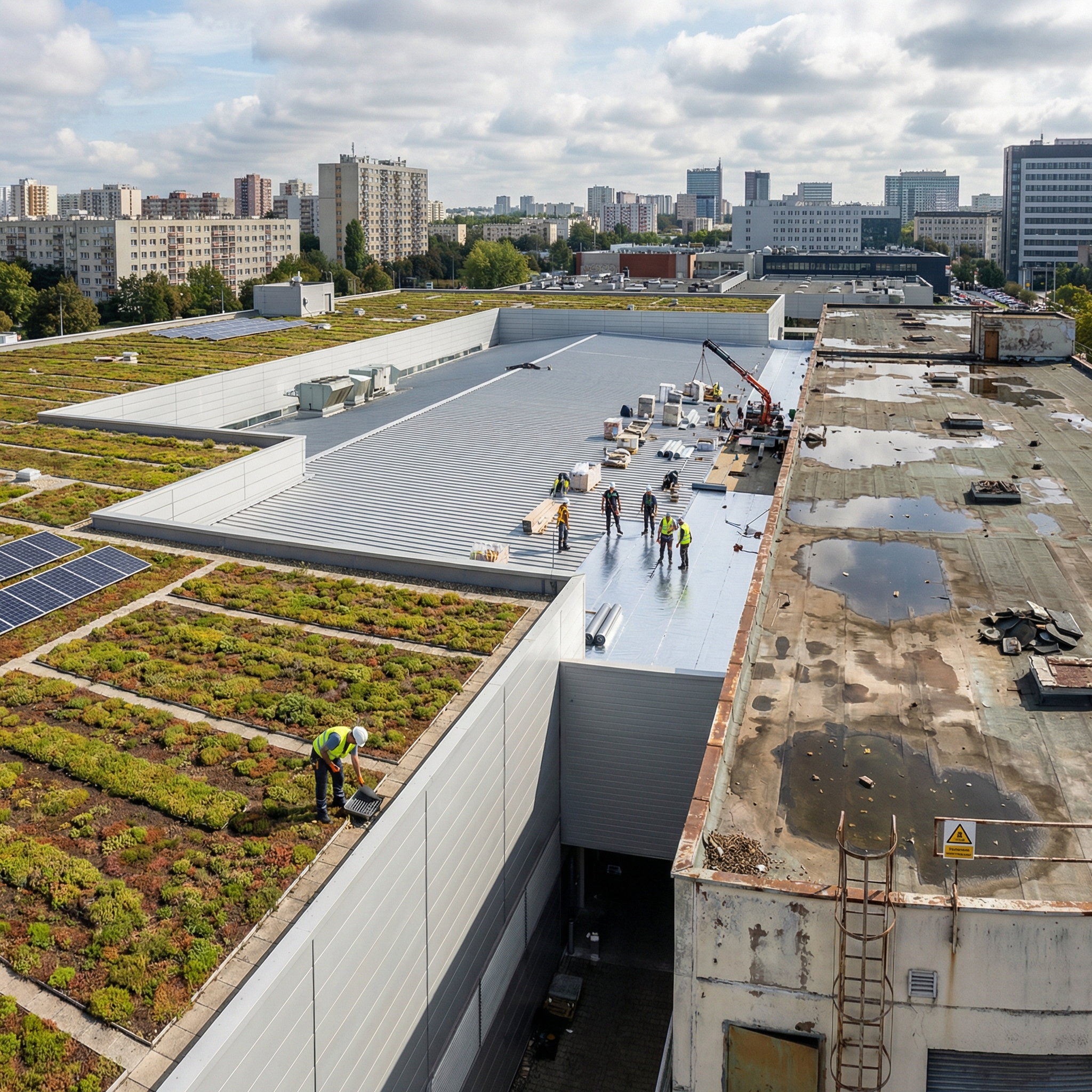
Another advantage is the potential for versatile use of the roof space. Flat roofs often serve as functional outdoor areas such as patios, gardens, or solar panel platforms. This dual-purpose functionality maximizes property value and utility.
- Lower initial installation costs due to simpler structure
- Ease of maintenance and repair accessibility
- Opportunity to utilize roof space for recreational or utility purposes
Drainage and Water Management Challenges
One of the biggest challenges facing flat and low-slope roofs is efficient water drainage. Since these roofs do not have steep angles, water can pool if the drainage system is inadequate. Standing water increases the risk of leaks and structural damage over time, necessitating careful design and regular inspection.
To mitigate these risks, roofing professionals often incorporate internal drains, scuppers, or tapered insulation to guide water toward outlets. Proper installation and maintenance of these systems are critical to extending the roof’s lifespan.
- Risk of ponding water due to minimal slope
- Need for specialized drainage solutions like scuppers and internal drains
- Regular maintenance essential to prevent water-related damage
Material Selection and Durability Considerations
The choice of materials for flat and low-slope roofs significantly impacts their durability and performance. Common materials include modified bitumen, EPDM rubber, TPO membranes, and built-up roofing systems. Each material offers different levels of flexibility, UV resistance, and waterproofing capabilities.
Durability is a key factor because flat roofs are more exposed to weather elements for longer periods due to slower runoff. Selecting materials that withstand temperature fluctuations and resist punctures or tears is essential for long-term reliability.
- Various membrane options tailored for flat roof conditions
- Importance of UV resistance and flexibility in material choice
- Enhanced durability required due to water exposure risks
Installation Complexity and Contractor Expertise
While flat roofs may appear simpler, their installation requires specialized knowledge and skill. Precision in slope creation, membrane application, and sealing details is vital to prevent leaks and ensure proper drainage. Mistakes during installation can lead to costly repairs or premature roof failure.
Engaging experienced roofing contractors who understand the nuances of flat and low-slope systems can improve outcomes. Proper installation techniques and quality control measures make a significant difference in the roof’s performance.
- Need for precise slope engineering to facilitate drainage
- Critical importance of professional membrane application and sealing
- Experienced contractors reduce risk of installation-related issues
Maintenance Requirements and Longevity
Maintenance plays a crucial role in extending the life of flat and low-slope roofs. Regular inspections to identify debris buildup, membrane damage, and drainage blockages help prevent small issues from escalating. Flat roofs often require more frequent upkeep than sloped roofs.
Addressing problems early can avoid water infiltration and structural damage. Property owners should schedule periodic professional assessments and clear gutters and drains to maintain optimal roof health.
- Frequent inspections to detect early signs of wear or damage
- Routine cleaning of drainage components to prevent clogs
- Timely repairs essential to maximize roof lifespan
Environmental and Energy Efficiency Benefits
Flat and low-slope roofs provide opportunities for enhanced environmental performance. Their flat surface is ideal for installing green roofing systems or solar panels, contributing to energy savings and sustainability goals. These roofs can also support reflective coatings that reduce heat absorption.
By integrating energy-efficient technologies, building owners can lower utility costs and reduce environmental impact. These benefits add value beyond the basic functional role of the roof.
- Compatibility with solar panel installations for renewable energy
- Potential for green roofs to improve insulation and air quality
- Reflective coatings to minimize heat gain and cooling loads