

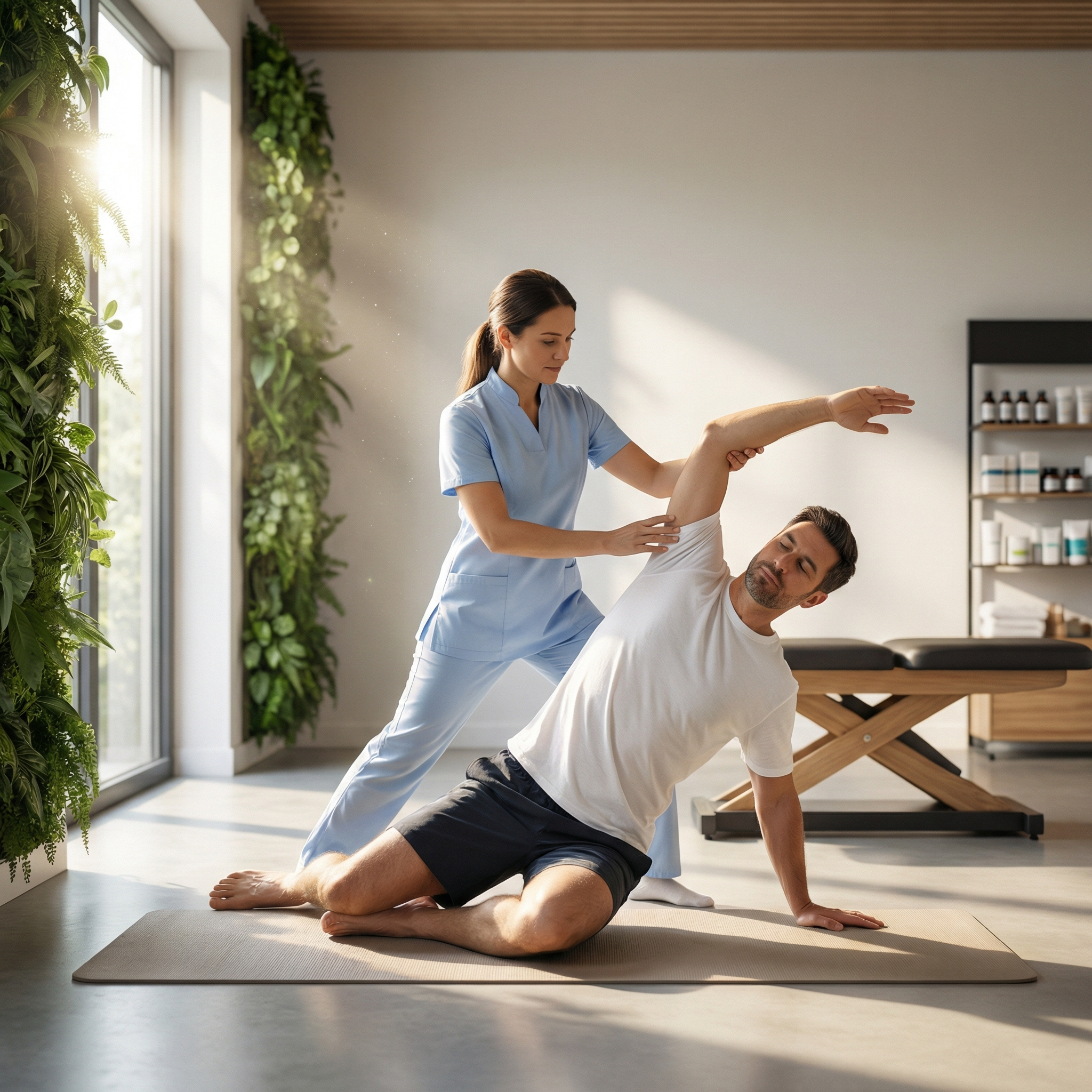
Spinal Health in the Middle of a Wellness Shake-Up
Chiropractic care and spinal health services no longer operate in a vacuum. Across the wellness landscape, organizations are launching conferences, campaigns, and new products that reshape what people expect from their health providers.
Recent announcements span workplace wellness programs that reduce healthcare costs, healthy aging initiatives, mental health platforms, science-backed supplements, and innovative nutrition products. For a spine-focused clinic, this wave of activity is an invitation to align with a broader, more connected view of wellness.
By tuning into these trends, your practice can feel more relevant, attract better-aligned patients, and support long-term engagement with spinal health.
Bring Workplace Wellness Thinking Into Your Clinic
Wellness Workdays, a provider of measurable workplace wellness programs, highlights how employers are investing in strategies that drive quantifiable reductions in healthcare costs and improved employee well-being. That same data-driven mindset is increasingly familiar to the patients who walk through your doors.
These programs often blend physical, emotional, and social support. National No One Eats Alone Day, led by Sandy Hook Promise and supported by organizations such as WellCare of Kentucky, shows how belonging and inclusion are becoming core wellness themes.
For a spinal health practice, this environment opens the door to new, practical steps:
- Position your services as part of an employer’s broader wellness offering, emphasizing measurable outcomes around comfort, mobility, and daily function.
- Host workplace-focused workshops that mirror wellness conferences, addressing posture, movement breaks, and on-the-job strain in an inclusive, team-based way.
- Create an in-clinic culture of belonging, echoing school and community programs that prioritize connection alongside physical well-being.
Meet Patients Where They Shop and Snack
The wellness marketplace is crowded with convenient, “better-for-you” foods and beverages. Persistence Market Research reports that the global protein bars market is expanding amid health-and-wellness trends and consumer demand for convenience, with growth projected well beyond 2026.
Brands are racing to innovate. A new plant-based protein bar, HEYBAR from HEYNU, positions itself as a better-for-you option, while Wildbrine has introduced a first-of-its-kind fermented bean salad that sits at the intersection of protein, fiber, and probiotics.
Meanwhile, Lifeway Foods is celebrating 40 years of leadership in kefir and fermented probiotic products with new cultured dairy innovations, and Canoly has reached a 100,000-unit sales milestone for its cold press juicer. Together, these launches signal that your patients are thinking about wellness every time they open the fridge or pantry.
- Stock or spotlight wellness-oriented grab-and-go options that align with the kind of active, health-conscious lifestyle many spinal health patients already pursue.
- Use your waiting room materials to acknowledge trends in protein, fiber, and probiotic-rich foods without prescribing specific diets, keeping the focus on overall wellness habits.
- Collaborate with local vendors or nutrition professionals whose offerings mirror the convenience and wellness emphasis seen in national product launches.
Align With Tech-Enabled and Research-Driven Care
Patients are also being introduced to wellness technologies in a wide range of settings. Watercrest Senior Living Group, for example, is partnering with Inspiren, an AI-powered care platform in assisted living and memory care, to support precise, individualized support.
In higher education, Atlanta Technical College is working with Uwill, a mental health and wellness solution for colleges and universities, expanding access to emotional support alongside academic life. These initiatives normalize technology as a companion to human care.
Product innovators are moving in the same direction. Hologenix has expanded its CELLIANT infrared technology into beauty with a new skincare mask line, and European mushroom supplement brand Hifas da Terra is entering the U.S. with science-backed formulations. Together, they signal growing interest in wellness that is both tech-enabled and research-oriented.
- Highlight any assessment tools, tracking methods, or evidence-informed protocols you use so patients see your spinal health services as part of this research-driven movement.
- Consider partnerships or referral pathways with mental health and wellness platforms, reinforcing that spinal comfort and emotional well-being are supported side by side.
- Educate patients on how to evaluate wellness products and technologies, encouraging them to look for science-backed offerings similar to those gaining national attention.
Rethink Wellness Metrics and Healthy Aging
Traditional measures of health are also under scrutiny. PhysicalMind Institute’s WELLVILLE Public Service Announcement responds to new wellness research, including a study suggesting that body mass index may be obsolete as a primary measure.
At the same time, Mediaplanet’s Healthy Aging Revolution campaign brings together a wide range of voices around aging well, while Dr. Marcus Coplin’s white paper, Future Wellness 2026: Seven Frontiers Redefining Human Vitality, points to the sheer pace of change in how vitality is viewed.
SHE Media’s Co-Lab at SXSW is shining a spotlight on the future of women’s health, and multiple initiatives are centering women’s experiences and careers, from Dress for Success Worldwide’s Women Who Inspire Campaign to career empowerment collaborations for Black women.
- Talk with patients about progress that goes beyond a single metric, aligning your spinal health goals with broader ideas of mobility, comfort, participation, and vitality.
- Host or join healthy aging conversations in your community, positioning spinal care as one piece of a balanced longevity strategy.
- Ensure women’s health perspectives are visible in your education materials and events, reflecting the national conversations unfolding at major conferences and campaigns.
Putting It All Together in a Spine-Focused Practice
Across conferences, campaigns, product launches, and research, one theme stands out: wellness is becoming more integrated, more inclusive, and more personalized. From AI-powered senior care and student mental health platforms to fermented foods, protein bars, and infrared beauty masks, people are surrounded by wellness messages every day.
A chiropractic and spinal health clinic that listens to these signals can speak the same language as its patients. That might mean forming local wellness partnerships, curating educational materials that acknowledge current nutrition and technology trends, or building programs that connect posture, movement, stress, and belonging.
When you align your spinal health services with the evolving wellness landscape, you do more than follow a trend. You position your practice as a natural hub within patients’ broader efforts to feel better, stay active, and participate fully in work, family, and community life.