

When Warning Labels Become Evidence In Your Injury Case
Most people glance at product warning labels without realizing that those few lines of text can later become powerful legal evidence. In personal injury cases, especially those involving dangerous consumer or industrial products, the clarity of a warning often helps determine who is legally responsible. Courts look closely at whether a manufacturer clearly communicated potential risks and proper use, not just whether some warning existed. A tiny icon, vague sentence, or label buried in a manual can make the difference between a denied claim and a successful recovery. When labels fail to communicate risks in a meaningful way, injured consumers may have strong grounds for a failure to warn lawsuit.
From a legal standpoint, a warning label is not a favor from the manufacturer; it is a duty owed to the people who will use or encounter the product. That duty extends beyond the primary purchaser to family members, bystanders, and sometimes even professional users trained on the product. When an injury occurs, lawyers and experts review the warning as carefully as the product itself, asking whether an ordinary person would truly understand the danger. If the answer is no, the label can become a central exhibit in court, demonstrating that the company put its own convenience ahead of consumer safety. Clear, direct communication of risks is often the dividing line between responsible manufacturing and actionable negligence.
Clear Warnings As A First Line Of Defense Against Injury
Effective product warnings do more than satisfy a regulatory checklist; they actively help prevent injuries before they happen. A clear warning alerts users to specific hazards, explains the severity of potential harm, and tells them how to avoid it. When people understand the real consequences of misuse or ordinary use under certain conditions, they are more likely to act carefully. That is why vague language like use with caution rarely satisfies legal standards for an adequate warning. Courts expect manufacturers to give consumers enough information to make informed choices about their own safety.
For personal injury attorneys, the presence of a strong, well designed warning can shape how a case is evaluated from the first consultation. If the warning clearly describes the exact kind of accident that occurred, it may narrow the focus to whether the product was defective in some other way. On the other hand, if the hazard that caused the injury is absent or only hinted at, the lack of clarity supports a failure to warn theory. This does not mean every injured person automatically wins when a label is weak, but it does mean that communication failures weigh heavily against the manufacturer. Ultimately, clear warnings protect both sides by reducing preventable accidents and clarifying responsibilities when something goes wrong.
Legal Standards For Adequate Product Warning Labels
Although rules vary by state, several common principles shape what courts consider to be an adequate warning label. First, warnings must address risks that are reasonably foreseeable, meaning hazards that the manufacturer should anticipate from normal or expected use. Second, the warning should be specific enough to describe the type of harm and how it might occur, rather than using generic scare language. Third, the label must be noticeable, using size, color, and placement that a typical user would see before or during use. Finally, the language should be understandable to the intended audience, avoiding technical jargon when the product is sold to the general public.
These legal concepts may sound abstract, but they translate into very practical questions in a personal injury claim. Would an average buyer see the warning without having to search for it in tiny print or buried pages? Would a reasonable person grasp that the risk involved serious injury rather than minor irritation or inconvenience? Did the warning reach everyone likely to be exposed to the product, including children, non English speakers, or co workers who did not buy it themselves? In litigation, lawyers frequently consult safety experts, human factors specialists, and industry standards to answer these questions. If the label falls short of what is customary or reasonable in the field, that shortfall can form the backbone of a failure to warn case.
Common Warning Label Failures That Lead To Lawsuits
Certain warning label problems appear again and again in product liability lawsuits, and understanding them can help you recognize when a claim may exist. One frequent issue is warnings that are too general, such as statements that a product could cause injury without explaining how or under what conditions. Another common failure is burying critical safety instructions in dense manuals while placing almost nothing on the product itself. Labels that rely solely on icons or symbols without words can also create confusion, especially across different cultures or age groups. When a company knows users may misinterpret a symbol but continues to rely on it, that choice can look especially troubling in court.
Another recurring problem involves labels that ignore predictable misuse or secondary exposures. For instance, if children are likely to handle a cleaning product, a warning addressed only to the adult purchaser may be legally weak. Similarly, products that generate fumes, heat, or moving parts can harm nearby bystanders who never touch the device. If the label fails to alert people to stay clear, wear protection, or ventilate a room, those omissions can become central in a lawsuit. Personal injury attorneys analyze these gaps carefully, comparing what happened in your case to how the manufacturer chose to communicate known dangers. When the hazard is predictable and the warning is silent, liability becomes much easier to argue.
Evidence Your Attorney Uses To Prove A Warning Was Inadequate
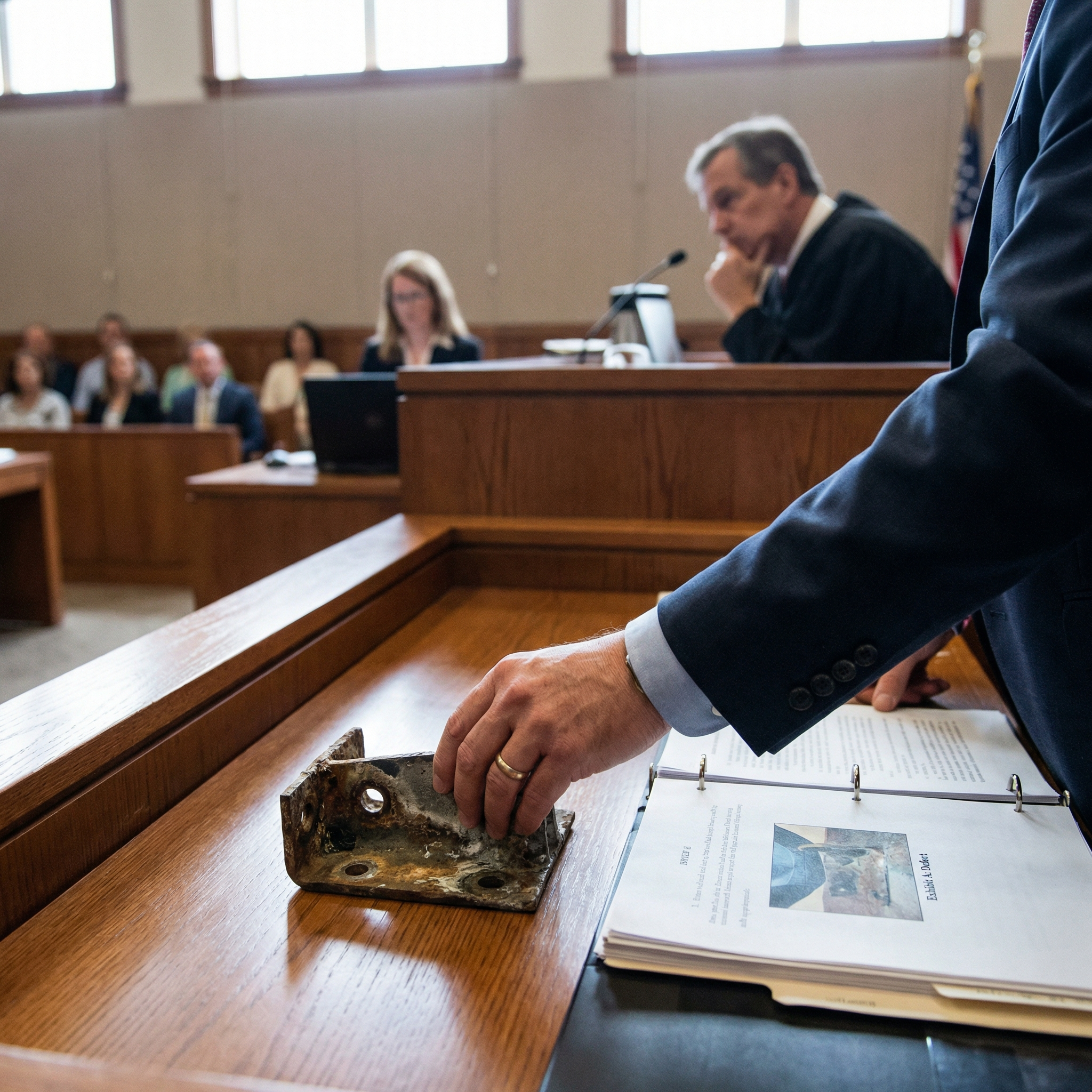
When you meet with a personal injury lawyer about a product related injury, one of the first requests will be to preserve the item and all of its packaging. The physical label, instruction booklet, box, and even store shelf tags can all become critical exhibits. Photographs of the product in the location where the injury occurred help establish whether a typical user would have seen any warnings. Your attorney may also look for earlier versions of the label to see if the company quietly changed its wording after other incidents. Sudden changes can indicate that the manufacturer previously recognized a problem but did not adequately alert earlier customers.
Beyond physical evidence, lawyers often obtain internal company documents that reveal what risks were known and how warning decisions were made. Emails between engineers, marketing teams, and safety personnel can show whether financial or branding concerns outweighed safety in label design. Expert witnesses in human factors and product safety may conduct testing to see whether ordinary people notice and understand the warning. Your own testimony about how you used the product, what you read, and what you reasonably believed is also essential. All of this evidence works together to answer the central legal question: did the manufacturer clearly communicate potential risks, or did it leave you in the dark?
Practical Steps Consumers Can Take After A Warning Related Injury
If you are hurt by a product and suspect that a poor or confusing warning played a role, your actions in the days that follow are important. First, keep the product intact and avoid throwing away any packaging, manuals, or receipts, since these items may later show exactly what information you were given. Second, take clear photographs of the product from multiple angles, focusing on where warnings appear and how easy they are to see. Third, write down your recollection of how you used the item, what you read before using it, and anything a salesperson or installer told you. These details can fade quickly, but they are vital in showing how a reasonable person understood the risks.
It is also wise to document your injuries and medical care as thoroughly as possible, including emergency treatment, follow up visits, and recommendations from your providers. Bring all of this information to your consultation with a personal injury attorney who regularly handles product liability and failure to warn claims. An experienced lawyer can evaluate whether the label and other communications met legal standards in your state. They can also advise you on preserving additional evidence, dealing with insurance companies, and avoiding mistakes that could weaken your case. Early legal guidance can be the difference between an overlooked claim and a strong pursuit of compensation.
Reducing Failure To Warn Claims Through Better Label Design
From a legal advocacy perspective, improving warning labels is not only about winning cases but also about preventing harm before it occurs. Manufacturers and retailers who genuinely prioritize safety can reduce both injuries and lawsuits by investing in thoughtful label design. That means testing warnings with real users, not just relying on internal assumptions about what people will notice or understand. It also involves updating labels promptly when new information about risks emerges, rather than waiting for multiple incidents or regulatory pressure. Companies that treat warnings as an evolving safety tool, rather than a one time task, place themselves in a stronger position if litigation arises.
For advocates representing injured consumers, pushing for better label practices can lead to broader change beyond a single settlement or verdict. Settlement agreements sometimes include non monetary terms, such as revised warnings, improved instructions, or expanded training for retailers and installers. These changes can prevent future customers from experiencing the same pain and disruption that led you to seek legal help. When manufacturers respond constructively to valid safety concerns, everyone benefits, but when they ignore clear communication duties, the law offers a path to accountability. Clear product warning labels that honestly communicate potential risks are not just good design; they are a cornerstone of both consumer safety and personal injury law.