
Strong Photos, Stronger Personal Injury Claims
In a personal injury case, your story matters, but your evidence wins the day. Photographic evidence gives judges, juries, and insurance adjusters a clear window into what happened. Well-documented images can turn a disputed claim into a compelling, credible narrative. They reduce arguments about fault, show the severity of injuries, and preserve details that disappear quickly after an accident. When used strategically with legal guidance, photographs can significantly strengthen the value and success of your personal injury claim.
Why Clear Photos Matter in Personal Injury Law
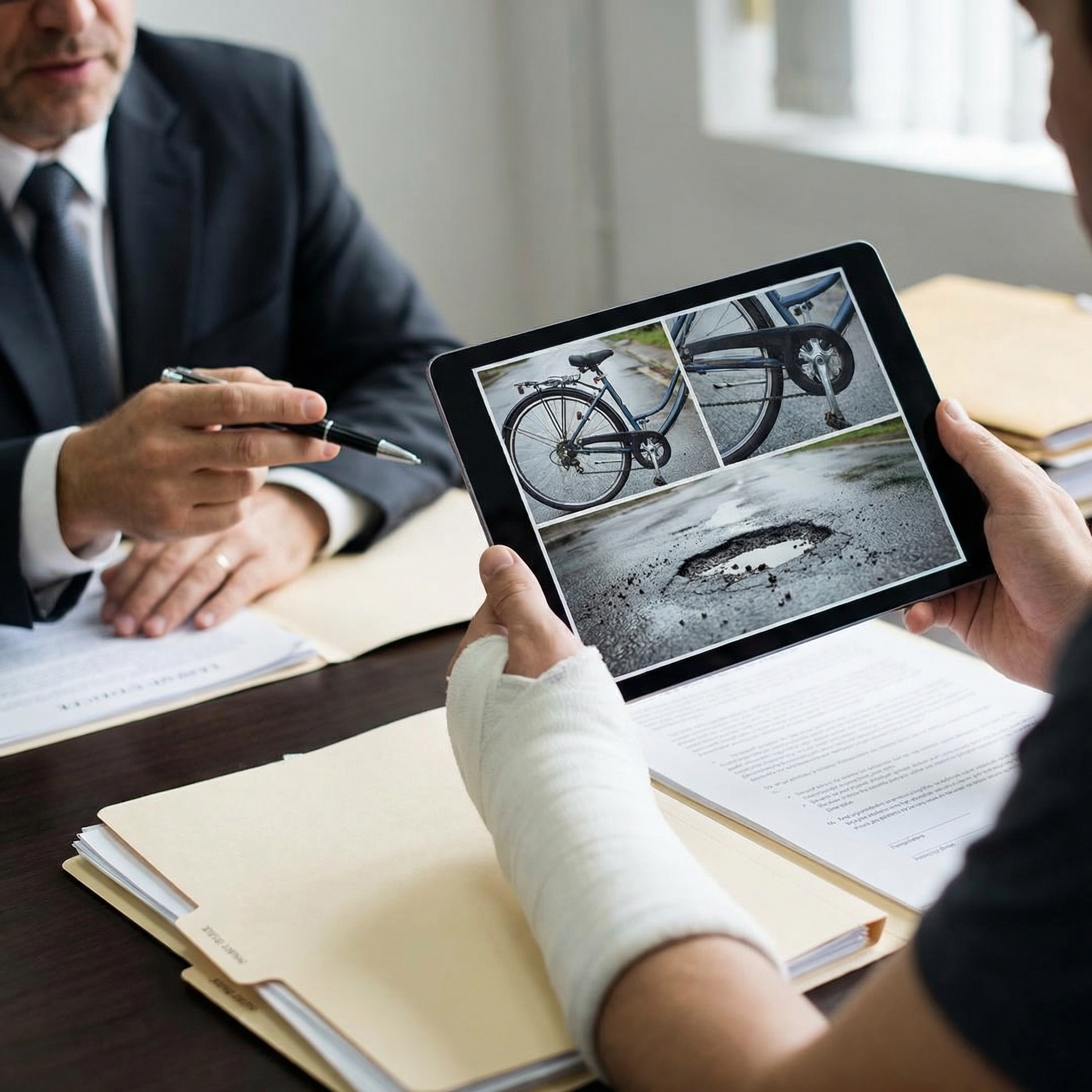
In personal injury law, every claim must be supported by proof, not just memories. Photos capture skid marks before rain washes them away, debris before it is cleared, and hazardous conditions before repairs are made. These images help your attorney explain exactly how the incident occurred, often more effectively than words alone. When an insurance company challenges your version of events, clear photos can cut through skepticism. They visually demonstrate impact, damage, and danger, making it harder for the other side to downplay your losses.
Photographs also help connect the dots between the accident and your injuries. Images of broken glass near a crosswalk can support a pedestrian injury case, while photos of a spilled substance on a store floor can back up a slip and fall claim. Attorneys often use these visuals alongside police reports, medical records, and witness statements to build a cohesive timeline. The more consistent and detailed the photographic evidence, the easier it is to argue causation and liability. In many cases, strong photos help convince insurers to settle rather than risk facing them before a jury.
What to Photograph at the Accident Scene
If you are physically able and it is safe to do so, focus first on the overall scene. Capture wide shots that show the full area, including traffic lights, intersections, store aisles, or stairways. Then move closer and photograph specific details that help explain how the incident happened. Try to take pictures from multiple angles, including your eye level and any viewpoints that show blind spots or obstructions. These images give your attorney a virtual walk-through of the scene long after it has changed.
Next, document property damage and physical evidence that may be important later. In a car crash, that may include vehicle positions, license plates, shattered glass, and deployed airbags. In a premises liability case, focus on wet floors, loose carpeting, broken handrails, or missing warning signs. If weather or lighting played a role, photograph the sky, visibility, and light sources such as street lamps. Each detail can help your lawyer reconstruct what happened and argue that another party failed to act reasonably.
Photographing Your Injuries and Recovery Journey
Your injuries themselves are critical evidence, and photos help show their full impact over time. Shortly after the incident, take clear, well-lit pictures of bruises, cuts, swelling, and any visible medical devices such as braces or casts. Continue to photograph your injuries as they evolve, including follow-up procedures, stitches, or scarring. This timeline demonstrates not just that you were hurt, but how long your body took to heal and what you endured. Such visual documentation can support claims for pain, suffering, and long-term effects that medical charts alone might not fully convey.
It is also helpful to capture the ways your injuries disrupt your daily life. Photos of mobility aids, modified living spaces, or help needed for basic tasks can be powerful in negotiations. For example, an image of a ramp added to your home or a shower chair can highlight limitations on your independence. These real-world glimpses into your recovery often resonate strongly with jurors and adjusters. They help translate medical diagnoses into human impact, which is central to fair compensation in a personal injury case.
Using Your Smartphone Safely and Effectively
Most people rely on their smartphones for photos, and that is perfectly acceptable in personal injury cases. The priority is always safety, so never put yourself in harm’s way to capture an image. Once you are secure, turn on the camera’s time and date settings if possible, as this can help verify when the photo was taken. Take multiple shots of each subject, because blurriness or poor lighting can reduce an image’s usefulness. Your attorney can later select the clearest and most persuasive photos for your case.
Be mindful about what you share on social media, even if the images seem harmless. Posting photos of the accident or your injuries without legal guidance can give insurers material to twist or take out of context. It is generally safer to keep all accident-related photos private and share them directly with your attorney first. They can advise you which images help, which should remain confidential, and how to preserve digital files. Following this approach keeps your smartphone a valuable legal tool rather than a risk.
Common Photographic Mistakes That Weaken Claims
One frequent mistake is taking too few photos or focusing only on the most obvious damage. Limited images may leave gaps that the defense can exploit, arguing that conditions were different than you remember. Another error is editing or adding filters that alter how injuries or damage appear, which can raise questions about authenticity. Likewise, failing to back up your photos can cause crucial evidence to be lost if a device breaks or is replaced. Preserving original, unedited files is essential to maintaining credibility in negotiations or court.
It is also a problem when important context is missing from the images. For instance, a close-up of a bruised leg is more powerful when paired with a wide shot showing the hazard that caused the fall. Similarly, damage to a car tells a fuller story when accompanied by photos of traffic signs and road conditions. Your attorney does not just need proof that something happened; they need visuals that explain why it happened and who is responsible. Avoiding these common mistakes helps your lawyer use your photographs to their fullest advantage.
How Personal Injury Attorneys Use Your Photos Strategically
From the moment you share your photos, your attorney begins evaluating how they fit into the larger legal strategy. They may compare your images with official reports to identify inconsistencies or missing details that support your side. Clear photos can be attached to demand letters sent to insurance companies to demonstrate the strength of your claim. During negotiations, compelling visuals often encourage adjusters to reassess low offers and consider the risk of a jury seeing the same evidence. When used this way, your photos become leverage that can lead to more favorable settlements.
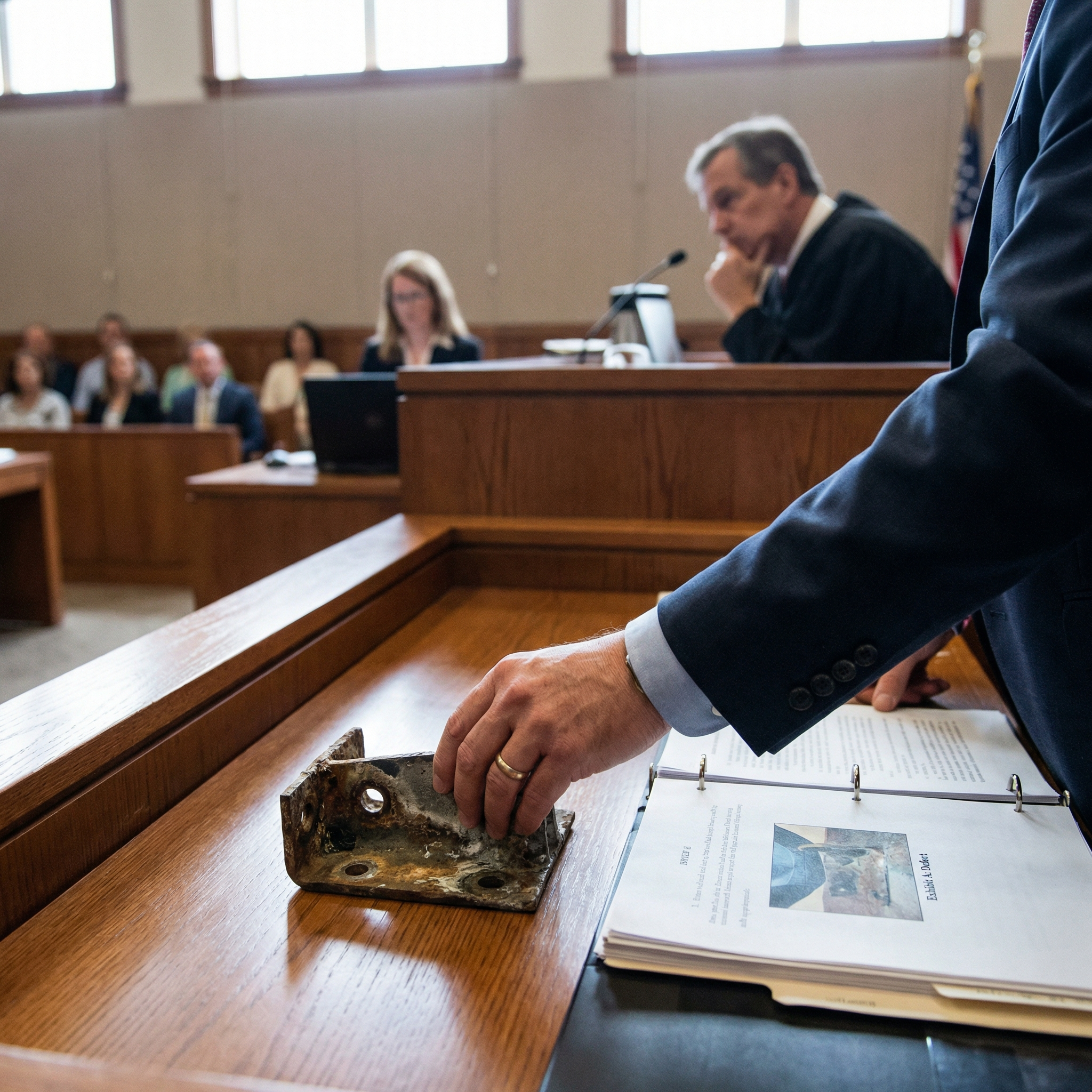
If your case proceeds to trial, your images may be shown to the judge or jury to bring the events to life. Attorneys can enlarge and display photos, highlight particular areas, or pair them with expert testimony that explains technical details. For example, an accident reconstruction specialist might use your scene photos to illustrate how a collision unfolded. Medical experts can refer to injury photos to explain procedures, pain levels, or long-term limitations. Every image, carefully presented, helps transform abstract claims into concrete proof that supports your right to compensation.