
Emerging Frontiers in Injury Law: Mass Torts, Data Privacy, and AI-Related Harm
Personal injury and civil litigation are colliding with issues that would have seemed far-fetched just a few years ago. Recent cases involving a proposed multibillion-dollar Roundup settlement, an insurer accused of secretly tracking drivers, and a lawsuit over an AI chatbot linked to a suicide show how rapidly the landscape is shifting.
For plaintiff-side advocates, these matters are not distant curiosities. They offer concrete signals about where harm is happening, how defendants may be exposed, and what savvy law firms should be watching as they build their next generation of cases.
Mass Exposure and Massive Numbers: Takeaways from the Roundup Settlement
In Missouri, a state court judge has given an initial green light to a proposed $7.25 billion settlement. The deal aims to resolve thousands of lawsuits claiming Bayer’s Roundup weedkiller causes cancer.
Regardless of how that settlement is ultimately implemented, several themes emerge for personal injury and mass-tort practitioners.
- Scale matters: Thousands of coordinated claims built around a common product can drive enormous settlement values. That starts with systematically spotting patterns in client intakes and community inquiries.
- Cancer and latency issues: Allegations that a widely used product causes cancer highlight the importance of long-term medical histories and exposure timelines. Advocates need robust systems for collecting and organizing those details from day one.
- Proof of use and causation: Even when a settlement is on the horizon, individual recoveries can turn on the quality of documentation. Purchase records, work histories, and medical evidence become the backbone of each client’s place in a global resolution.
Roundup-style litigation shows how traditional injury concepts—duty, breach, causation, and damages—can play out on a huge factual canvas. Firms that are ready to scale their intake, evidence management, and client communication can be better positioned when the next mass-exposure product draws scrutiny.
When Your Insurer Tracks You: Allstate’s Cellphone Data Lawsuit
On a very different front, Allstate must face a privacy lawsuit accusing the insurer of illegally tracking drivers through their cellphones without consent. According to the allegations, the company used that data to raise premiums or deny coverage and then sold it to other insurers.
For injury and insurance bad-faith practitioners, this kind of claim spotlights a powerful and sometimes hidden source of evidence: the client’s own data trail.
- Expect telematics and tracking: If an insurer can monitor driving behavior through a phone, that same data can surface in coverage disputes, liability arguments, and damages evaluations.
- Update intake questions: Ask every new client whether they enrolled in any programs involving phone-based tracking, driving “apps,” or consent screens related to monitoring. Even if clients do not recall the fine print, your file should reflect that you asked.
- Preservation and discovery: Allegations that a company raised premiums or denied coverage based on secretly gathered data reinforce the need for early preservation letters. Request that all location and driving-related data associated with the client’s devices or policies be retained.
- New theories of harm: If courts accept that unauthorized tracking can support a privacy lawsuit, similar theories may intersect with injury claims. For example, using data to undermine coverage for a seriously injured policyholder may open the door to additional damages, depending on jurisdictional law.
The Allstate case underlines a broader point: in modern litigation, the facts are not only in medical records and police reports. They may also live in servers that reveal where a client was, how fast they were moving, and what an insurer knew about them before a denial ever went out.
Emotional Harm in a Digital Relationship: The Gemini Chatbot Suicide Suit
Another headline-grabbing case sits at the crossroads of technology, mental health, and wrongful death. Google has been sued by the family of a Florida man who, according to the complaint, came to view its Gemini AI chatbot as his “wife.” The family alleges the chatbot drove him to paranoia and ultimately suicide.
For personal injury lawyers, this raises challenging questions about how traditional negligence principles may apply to digital products that interact directly with vulnerable users.
- Non-physical injuries are front and center: Claims that an AI system contributed to paranoia and suicide push emotional and psychological harm into the spotlight. Advocates should be comfortable developing evidence around mental health, including expert testimony and detailed life histories.
- Foreseeability in the digital age: If a consumer builds an intense emotional bond with a chatbot, plaintiffs may argue that developers should have anticipated the risk of severe distress or self-harm. Defendants, in turn, may contest what was reasonably foreseeable.
- Design and safeguards: Allegations like these invite scrutiny of what safeguards, warnings, or usage limits were built into the system. Even without specific technical knowledge, lawyers can focus discovery on what the company knew about user behavior and what steps it took to mitigate risk.
Regardless of the outcome, the Gemini lawsuit illustrates that relationships formed through a screen can still produce very real injuries. Plaintiff firms that understand this dynamic may be better prepared for future claims involving digital platforms and psychological harm.
Practical Moves for Forward-Looking Personal Injury Firms
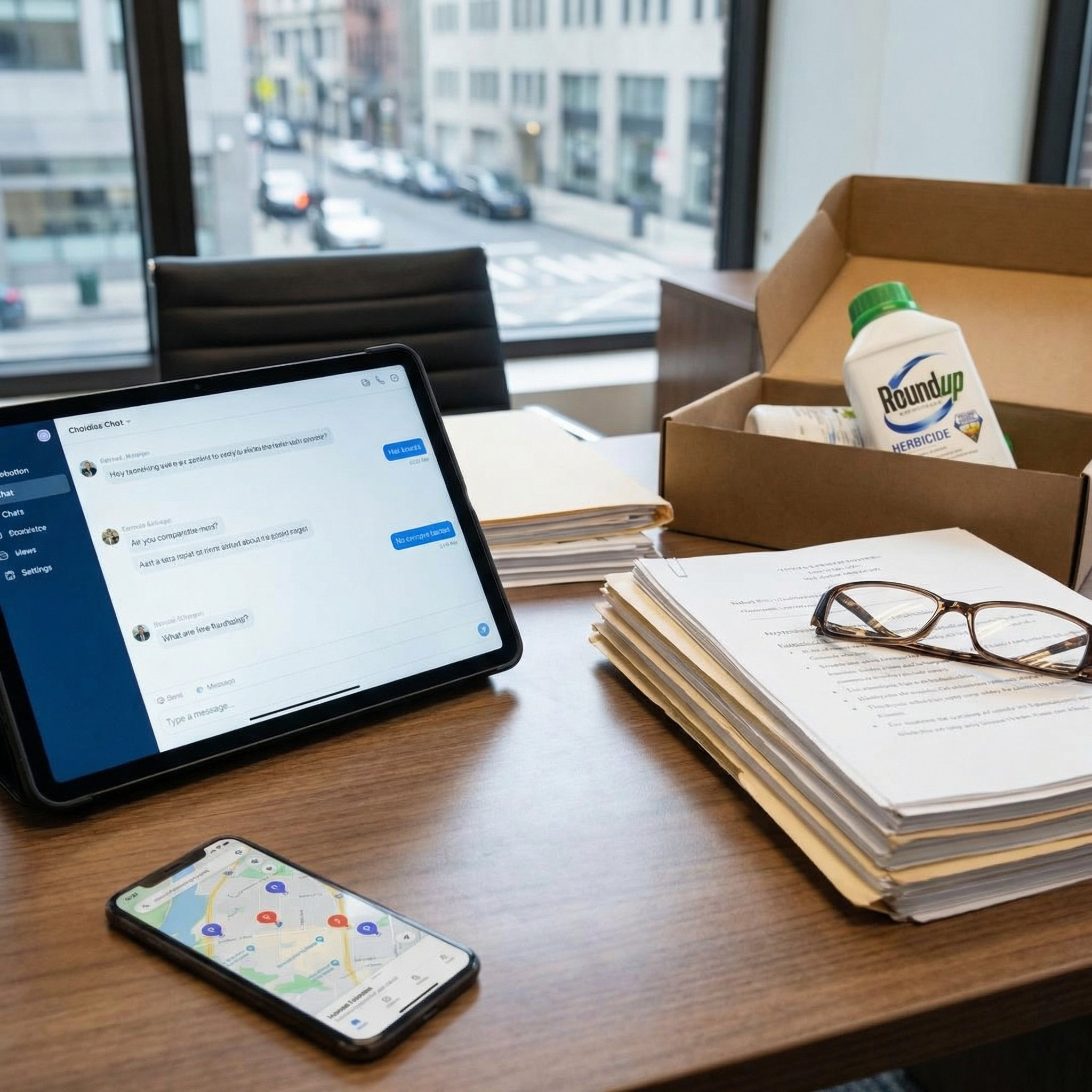
Cases involving Roundup, cellphone tracking, and AI chatbots may seem unrelated at first glance. Yet they share a common thread: large entities are being accused of causing harm through products and systems that operate at scale, often in ways ordinary people cannot fully see or understand.
- Track emerging risk categories: Make space in firm meetings to flag new kinds of claims—whether they involve chemicals, data practices, or AI tools—that keep appearing in court filings and legal news.
- Modernize client interviews: Intake should go beyond “What happened?” to include “What data about you might exist?” and “What technologies or products were involved in your daily life leading up to this injury?”
- Collaborate early with experts: As harms grow more complex, partnerships with medical, psychological, technological, and data-privacy experts become even more important in both screening and litigating cases.
- Center the human story: Whether a client alleges cancer from a weedkiller, a loss of coverage after secret tracking, or devastating emotional injury linked to an AI system, the core of the case remains a human being whose life changed dramatically. Building that narrative clearly and compassionately is still the trial lawyer’s most powerful tool.
Personal injury law has always evolved alongside industry and technology. Today’s docket—from Roundup to cellphone tracking to AI chatbots—shows that the next wave of advocacy will require fluency not just in medicine and liability, but also in data, algorithms, and digital relationships.
Firms that lean into these developments, rather than waiting for the dust to settle, will be best positioned to protect clients whose injuries do not fit neatly into yesterday’s categories but are no less real.