

Recent Case Stories Point to a Common Thread
Across the country, personal injury and wrongful-death matters are generating big verdicts, pivotal rulings and hard-fought compromises. Beneath the headlines, a clear pattern emerges: the lawyers who prepare early, think strategically and protect their clients’ rights at every turn are the ones creating leverage.
From restraining orders at disaster sites to record wildfire verdicts and high-road mediations, recent developments highlight habits that any injury practice can adopt. These stories offer practical direction on evidence, funding, jury trials, mindsets and firm strategy.
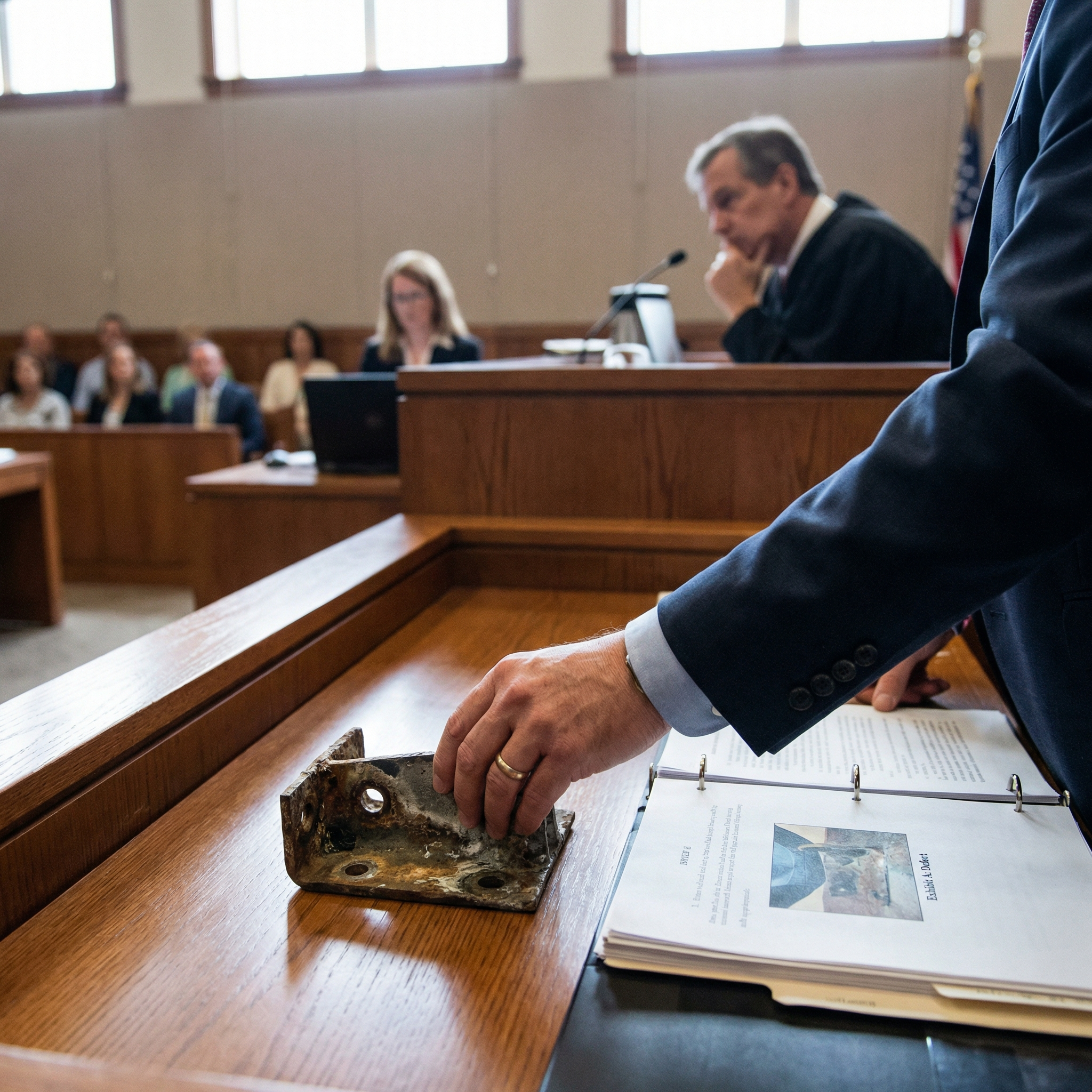
Protecting the Scene: Evidence Preservation After Catastrophe
In Texas, a judge granted a restraining order in the first hearing of a wrongful-death suit tied to flood deaths at Camp Mystic. The order bars the camp from altering the site, with the goal of preserving evidence where 27 girls were killed.
For injury lawyers, that ruling underscores how crucial it is to move fast when a disaster strikes. Seeking early court intervention to freeze conditions on the ground can prevent spoliation, strengthen expert work and send a signal that the case will be litigated aggressively and fairly.
On the defense side, prompt cooperation or clear positions on preservation can help manage risk and demonstrate respect for the investigative process. Either way, the battlefield is often shaped in those first days.
After a Supreme Court Win, Staying Ready for the Next Twist
The mother of police shooting victim Ashtian Barnes previously secured a unanimous ruling from the U.S. Supreme Court. Yet a later, unexpected about-face by a judge has left her, and her lawyers, back at the high court without clear answers.
That journey from “winning to losing” is a reminder that even blockbuster appellate victories are not always the final word. On remand, trial courts may interpret mandates in surprising ways, and new rulings can reopen old wounds for clients.
In practice, that means building a meticulous record at every stage, anticipating how lower courts might apply appellate guidance and continuing to educate clients that a big opinion is often one step in a longer fight.
Fine Print Under the Microscope: Jury Trial Rights Online
A recent decision from the Pennsylvania Superior Court found that a moving services platform’s website terms did not clearly waive a customer’s right to a jury trial. The court held the site failed to provide clear notice that clicking “agree” meant giving up the right to litigate claims before a jury.
For plaintiffs’ counsel, this opens the door to challenging buried waivers in click-through agreements, especially where the language is dense, inconspicuous or disconnected from the actual transaction. A successful challenge keeps cases in courtrooms instead of private forums.
For businesses and their counsel, the ruling is a warning that vague or hidden waivers invite attack. Any attempt to contract around jury rights must be conspicuous, plain-language and tailored to withstand judicial scrutiny.
Litigation Funding and Punitive Damages: New Friction Points
Pennsylvania’s proposed litigation funding disclosure rules are drawing attention for going further than many other regimes. One law professor has predicted that, if enacted as written, the rules would keep attorneys very busy and may spark courtroom spats.
At the same time, a Pennsylvania appellate panel reviewing a case with a slashed $25 million verdict affirmed that punitive damages were excessive. The court agreed they crossed constitutional lines, yet found error in the trial court’s recalculation, underscoring how delicate punitive awards have become.
Together, these developments highlight two pressure points: outside funding and punishment damages. Injury lawyers should be ready with a funding protocol and a thoughtful punitive strategy that anticipates constitutional limits and appellate review.
Verdicts, Settlements and the Long Game With Insurers
In Florida, a jury ordered State Farm to pay $9 million to an insured driver—on the third trial of the dispute. According to plaintiff’s counsel, the verdict lifted a heavy weight from a client who had endured repeated trips to the courtroom before six jurors finally agreed she was right.
In New Jersey, two separate matters ended with $250,000 settlements: a pre-suit resolution for a driver claiming spinal and other injuries from a collision, and a settlement for a pedestrian struck in a crosswalk who alleged neck and lower-back injuries. Meanwhile, a Philadelphia jury returned a $1 million verdict against SEPTA in a bus injury case that mirrors litigation now before the Pennsylvania Supreme Court.
On a broader scale, an Oregon jury awarded a record $242 million wildfire verdict, and Bayer’s proposed $7.25 billion Roundup settlement is facing pushback. All of these outcomes reinforce the value of patience, risk analysis and a willingness to try cases when insurers or corporate defendants refuse to recognize full value.
Psychology and Mediation: Earning Trust in Every Forum
A 54-year-old Olympic curler who now practices personal injury law recently described how sports psychology shapes his trial work. In his view, a complete trial lawyer must think about the psychology of everything they do, what they say and how they react.
That mindset dovetails with a “high-road” approach to mediation advanced by another veteran injury practitioner. High-road mediation emphasizes preparation, transparency, consistency and avoiding pressure tactics. Over time, that style builds reputational capital, reduces headaches and increases the chances of durable, respected resolutions.
Blending psychological awareness with integrity-based negotiation allows lawyers to manage their own emotions, support vulnerable clients and present as credible problem-solvers to mediators, adjusters and opposing counsel.
Firm Strategy, Class Actions and Mass Torts
On the business side of the bar, one plaintiffs firm has doubled its class action practice by bringing in three partners from another established plaintiffs shop. After roughly two decades of working together, group leadership said it felt like the right move at the right time to strengthen their class action capabilities.
In Philadelphia, former attorneys from Ross Feller Casey and Gibbons & Crichton have launched a Black-owned personal injury firm. One co-founder described realizing the depth of their synergies and deciding it was the perfect time to build what they hope will become the city’s next premier plaintiffs firm.
And in aviation and products litigation, a heavy-hitting mass torts lawyer known for high-profile, high-dollar verdicts has stepped into the fray against major companies like Boeing and GE. These moves reflect a plaintiffs’ landscape where specialization, collaboration and diverse leadership are central to taking on complex, high-stakes injury cases.
Action Steps for Today’s Personal Injury Practice
- Act immediately after major incidents to secure restraining orders or agreements that preserve key physical evidence.
- Treat appellate victories as stages, not endpoints, and plan for how trial courts may interpret or limit those wins.
- Scrutinize online terms that purport to waive jury trials and challenge any that lack clear, conspicuous notice.
- Develop a clear internal protocol for litigation funding, anticipating possible disclosure rules and motion practice.
- Frame punitive damages requests with constitutional guideposts in mind to protect verdicts on appeal.
- Use real-world verdict and settlement patterns—from pre-suit deals to multi-trial sagas—to counsel clients on risk and timing.
- Integrate sports-psychology tools into trial preparation, including emotional control, visualization and deliberate reactions in court.
- Commit to high-road mediation practices that emphasize honesty, preparation and consistency to build long-term credibility.
- Evaluate whether strategic partnerships, class action capacity or mass-tort collaborations can expand your firm’s advocacy reach.