
When A Silent Gas Becomes A Legal Emergency
Carbon monoxide poisoning often strikes without warning, and victims rarely realize what is happening until it is too late to react on their own. In legal terms, that makes carbon monoxide incidents very different from many other personal injuries where there is an obvious crash, fall, or visible hazard. When functioning properly, carbon monoxide detectors act as early warning systems that can turn a potential tragedy into a near miss. When they are missing, disabled, or poorly maintained, that failure is not just a safety problem, it is often a legal violation. For injured people and grieving families, understanding the role of detectors is critical to understanding whether a claim exists and who may be responsible.
Carbon Monoxide Poisoning as a Preventable Catastrophic Injury
Carbon monoxide is called the invisible killer for a reason, because it has no smell, taste, or color to warn you that something is wrong. Victims may simply feel tired, dizzy, or nauseated and assume they have the flu, never realizing their brain and organs are being starved of oxygen. From a personal injury perspective, this matters because carbon monoxide poisoning is usually preventable with basic safeguards. A low-cost detector can alert occupants long before levels become deadly, giving them time to escape and call for help. When a simple device could have prevented brain damage or death, the law often views that injury as the result of negligence rather than bad luck.
Courts and juries frequently examine whether the harm was reasonably foreseeable, and carbon monoxide poisoning meets that standard in many modern settings. Furnaces, water heaters, generators, fireplaces, and many industrial processes all create predictable carbon monoxide risks. Because the danger is well known, property owners and employers cannot credibly claim they had no idea people could be poisoned. Instead, the focus turns to whether they acted reasonably to protect others, which includes installing and maintaining detectors where appropriate. In this way, every poisoning is analyzed not just as a medical crisis, but as a potentially preventable legal wrong.
Where Detectors Create Legal Duties: Homes, Rentals, Workplaces, and Hotels
The duty to protect people from carbon monoxide exposure depends heavily on the relationship between the injured person and the property or business owner. Landlords have a duty to provide reasonably safe rental housing, and that often includes complying with local requirements for smoke and carbon monoxide detectors. Employers must provide a reasonably safe workplace, which can mean monitoring air quality or installing detectors when using fuel-burning equipment indoors. Hotels, motels, and short-term rentals invite paying guests onto the property, so they assume duties to address known hazards, including carbon monoxide from boilers and heating systems. When these duties are ignored, exposure victims may have a strong basis for a premises liability or workplace injury claim.
In many states and municipalities, building codes or housing standards specifically require carbon monoxide detectors in certain types of dwellings and facilities. Personal injury lawyers use these safety rules as powerful evidence that a property owner knew or should have known about the risk. A hotel that fails to place detectors near guest rooms, or a landlord that never installs any in a multi-unit building with gas appliances, may be violating both the law and basic standards of care. Even when a specific statute is not on point, industry norms and manufacturer recommendations can still demonstrate what a reasonable property owner or employer should have done. In litigation, the simple question of where detectors should have been installed often becomes a central part of proving negligence.
Detectors, Building Codes, and Proving Negligence
Carbon monoxide cases are rarely proven with one dramatic piece of evidence, and instead they rely on a careful reconstruction of what should have been in place. Building codes, fire safety regulations, and housing inspection reports can show whether detectors were required and whether they were ever properly installed. Maintenance logs, purchase receipts, and contractor records can reveal if detectors were tested, replaced, or disabled over time. Lawyers also look at incident reports from fire departments or emergency responders, which often document whether any alarms were sounding on arrival. When these documents show a pattern of neglect, they help link the absence or failure of detectors to the injuries that occurred.
Even if no specific regulation mandates detectors in a particular building, that does not end the legal analysis, because negligence law asks what a reasonably prudent person would do under similar circumstances. Manufacturers of furnaces, generators, and other fuel-burning devices frequently recommend detectors as part of safe operation. Safety organizations widely publicize the need for alarms near sleeping areas and on every level of a home or building. When owners or employers ignore these widely known recommendations, it becomes easier to argue that they failed to act reasonably. As a result, detectors become both a safety device and an important benchmark for measuring legal responsibility.
Common Failures That Turn a Safety Device into Evidence
In some poisoning cases, detectors are present but still fail to protect people, and these failures can be just as important legally as having no alarm at all. Battery-powered detectors may have been installed years ago and then left with dead batteries, because no one took responsibility for regular testing. Hardwired systems might have been disabled after nuisance alarms, such as during cooking, without anyone realizing the life-or-death consequences. In multi-unit buildings, one detector might be installed in a hallway while bedrooms and living rooms are left unprotected, even though occupants spend most of their time there. Every one of these choices can be examined in court as part of a broader pattern of neglect.
When investigating a potential claim, personal injury lawyers often look for warning signs that detectors were mishandled or ignored before the incident. Three common problem areas tend to emerge again and again for victims and their advocates.
- Missing, painted-over, or disconnected detectors that show someone took active steps to silence or remove alarms.
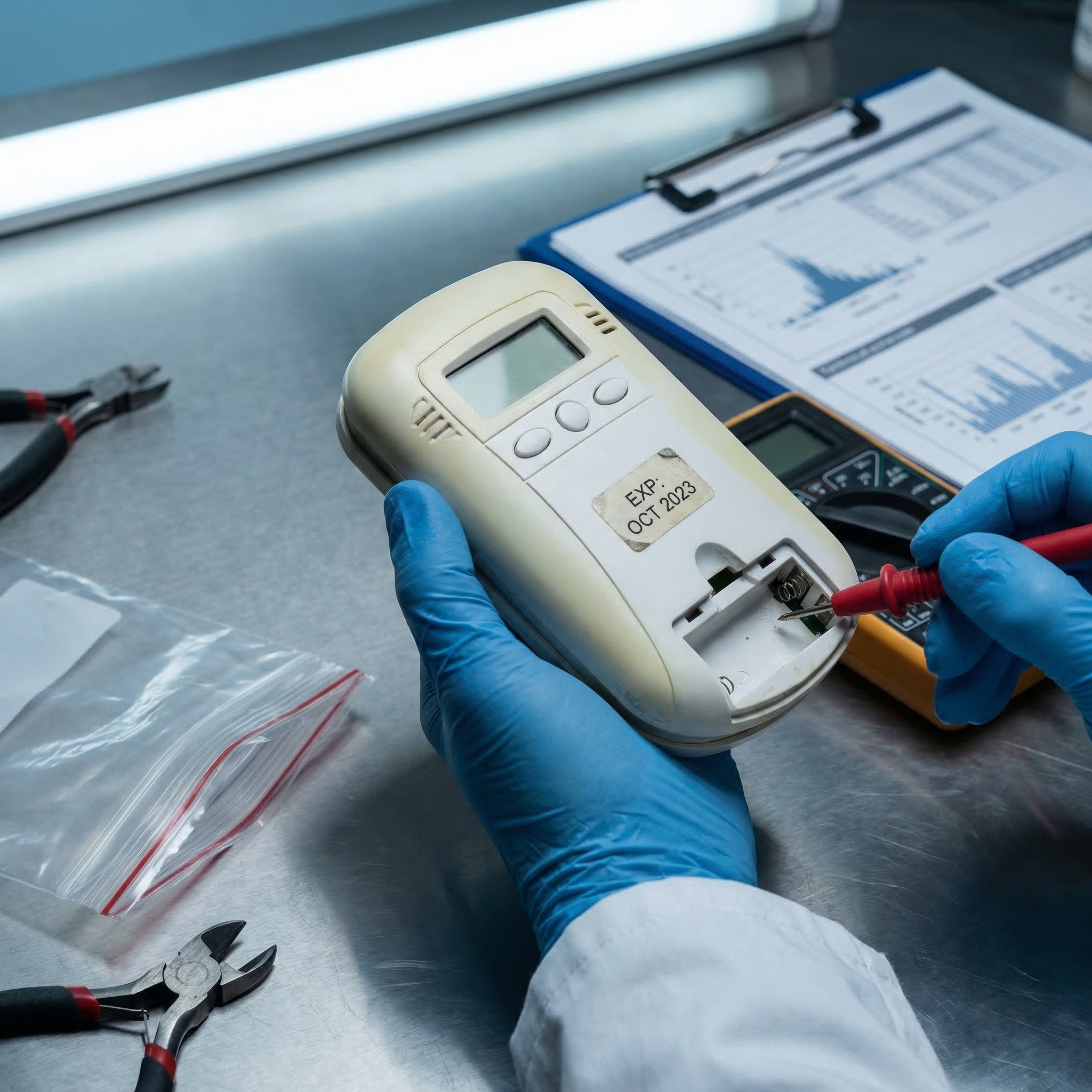
- Outdated models that are far past their recommended service life, with no record of replacement or testing.
- Poor placement of detectors far from bedrooms or fuel-burning appliances, undermining their ability to warn in time.
Each of these issues can help demonstrate that the responsible parties were on notice about the risk but chose convenience or cost savings over safety.
What Victims and Families Should Do After a Suspected CO Incident
After a carbon monoxide emergency, victims are understandably focused on medical treatment and immediate survival, but early steps can also preserve important legal rights. Once it is safe, photographs or videos of the premises, including any visible detectors, can be invaluable later. If an alarm did or did not sound, try to document that fact while memories are fresh, and gather the names and contact details of any witnesses. Emergency room records should clearly note suspected carbon monoxide exposure and any testing performed, such as carboxyhemoglobin levels. The sooner this information is gathered, the easier it will be for an attorney to connect the dots between exposure, failed safety measures, and resulting injuries.
Because faulty appliances or ventilation systems are often repaired quickly after an incident, it is crucial to prevent the destruction of key evidence. Personal injury lawyers frequently send preservation letters to landlords, employers, or insurance companies to put them on notice that detectors, heaters, and related equipment must not be discarded or altered. Victims and families can support this effort by avoiding any agreements or forms that might give permission to remove items before they have been inspected by an expert. Keeping copies of leases, employee handbooks, and hotel receipts can also help clarify what safety promises were made on paper. Acting quickly in this way ensures that an eventual claim is based on solid, verifiable facts rather than speculation.
Damages in Carbon Monoxide Cases and the Role of Alarms
The injuries from carbon monoxide exposure can range from temporary headaches to life-changing brain damage or death, and the law recognizes this wide spectrum of harm. Victims may be entitled to compensation for medical bills, future care needs, lost income, and reduced earning capacity when they cannot return to their prior work. Pain, suffering, cognitive changes, and loss of enjoyment of life are also considered, especially when people struggle with memory, concentration, or mood changes after poisoning. In wrongful death cases, families may seek damages for funeral costs, loss of financial support, and the loss of companionship and guidance. The presence or absence of detectors can significantly influence how these damages are evaluated and how a jury views the conduct of the defendants.
When a simple, affordable detector would likely have prevented all or most of the harm, jurors often react strongly to that missed opportunity. Evidence of ignored maintenance reminders, disabled alarms, or outdated devices can support claims for significant compensation and, in some jurisdictions, even punitive damages aimed at deterring similar conduct. Conversely, when a defendant can show that detectors were installed, maintained, and still somehow failed in an unforeseeable way, the legal analysis becomes more complex. Examining these details allows injury lawyers to tell a clear, compelling story about how a safety device that should have been in place was missing or mishandled. That story can be the difference between a denied claim and a meaningful recovery.
Partnering with an Injury Lawyer to Turn Safety Violations into Systemic Change
Carbon monoxide poisoning cases do more than address one family’s tragedy, because they also shine a bright light on dangerous patterns in housing, workplaces, and hospitality settings. When injury lawyers pursue these claims, they are not only seeking compensation but also pushing property owners, landlords, and corporations to take prevention seriously. Settlements and verdicts often include non-monetary changes, such as updated policies, mandatory inspections, or the installation of modern interconnected detector systems. These changes can protect hundreds or thousands of future occupants who may never know their safety was improved because a prior victim chose to speak up. In this way, legal advocacy turns private pain into public protection.
If you or a loved one has suffered from suspected carbon monoxide exposure, consulting a personal injury attorney with experience in these complex cases can be an important step. A knowledgeable lawyer can evaluate whether detector failures or safety violations played a role, identify all potentially responsible parties, and work with experts to reconstruct what happened. They can also handle communication with insurers and opposing counsel, allowing families to focus on healing. Most importantly, a well-prepared claim sends a clear message that ignoring basic safety tools like carbon monoxide detectors has serious legal consequences. That message, repeated in courtrooms and negotiation rooms, helps ensure that alarms are installed, maintained, and heard before another life is quietly put at risk.