

Lead Exposure, Public Health Campaigns, and Your Legal Rights
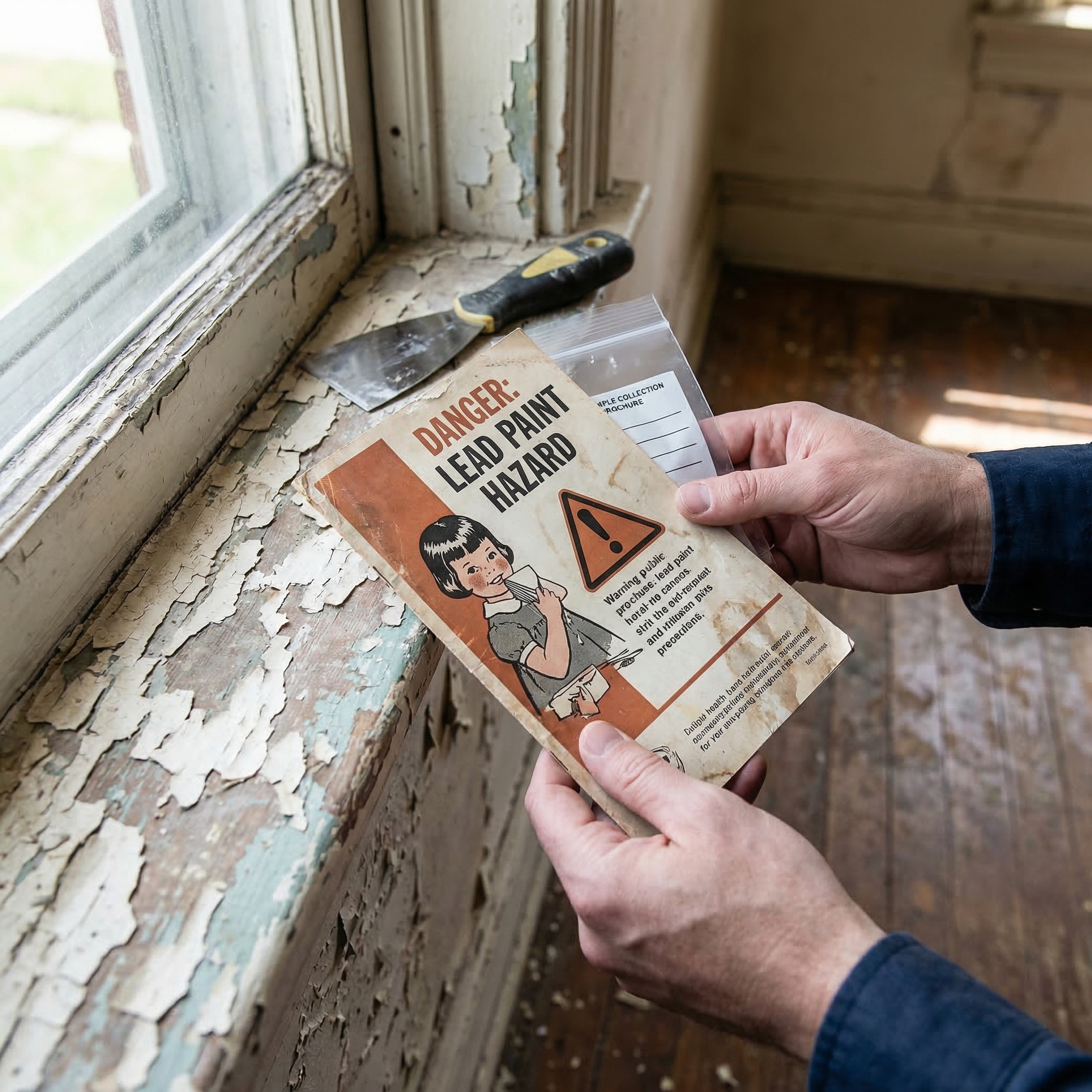
Across the country, public health campaigns highlight the dangers of lead exposure in homes, schools, and workplaces. These efforts warn families about peeling paint, contaminated water, and unsafe renovation practices, and they encourage testing and early intervention. For injured people and their lawyers, these same campaigns do more than educate; they help define what safety should look like. When a landlord, contractor, or business ignores well-publicized lead risks, it becomes easier to show that their conduct was unreasonable. In other words, public health messaging can quietly become a powerful ally in a personal injury or toxic exposure claim.
Lead poisoning cases are very different from a typical car crash or slip and fall. Symptoms may develop slowly, multiple sources of exposure can overlap, and harm is often permanent, especially for children. Because of this complexity, public health guidance is critical for explaining what should have been done to prevent injury. Campaigns that spell out safe practices create a real-world standard your attorney can use to argue that a property owner or company fell short. That connection between widely shared warnings and a defendant’s choices can be the backbone of a compelling negligence case.
Public Health Warnings as Evidence in Lead Injury Cases
Public health campaigns do not exist in a vacuum; they reflect expert consensus on how dangerous lead exposure is and how it can be avoided. When agencies publish brochures, community posters, or online materials about lead hazards, they give clear notice to the public and to businesses. In a lawsuit, those materials can help show that defendants should have known about the risk and taken action. Your attorney may point to specific campaign language about testing, maintenance, or protective gear to demonstrate what a reasonably careful person would have done. That context helps judges, juries, and insurers understand that the danger was not new, hidden, or speculative.
Campaigns can also help support the credibility of your medical story. Educational materials often describe classic signs of lead exposure, such as behavioral changes, learning problems, or unexplained fatigue. When your symptoms line up with widely publicized warnings, it reinforces the idea that you are experiencing recognized, lead-related harm. Public health documents may also explain that there is no safe level of lead for children, which can be crucial when damage appears subtle but long lasting. By weaving these themes into your case, your lawyer can turn general health messaging into specific support for your claim.
When Lead Hazards Become Negligence
Public health campaigns do more than tell people that lead is harmful; they usually explain who has responsibility for controlling exposure. Materials may highlight duties for landlords to address peeling paint, for contractors to follow safe renovation protocols, and for employers to protect workers using lead-containing materials. When these responsibilities are well publicized, choosing to ignore them is hard to justify. A property owner who refuses to fix known hazards or an employer who fails to provide proper training cannot credibly claim ignorance. That failure to act in the face of clear guidance can be powerful evidence of negligence in a personal injury case.
In many lead poisoning cases, the defense argues that the risk was unavoidable or that precautions would have been too burdensome. Public health campaigns often undercut that argument by showing practical steps that responsible parties can and should take. These might include regular inspections of older buildings, safe work practices during remodeling, or routine testing where contamination is suspected. Your attorney can compare what the defendant actually did with what these campaigns recommend. The larger the gap between recommended best practices and real-world behavior, the stronger the argument that your injuries were preventable.
Connecting Public Health Campaigns to Causation and Damages
One of the hardest aspects of a lead exposure claim is proving that specific conduct caused particular harm. Public health campaigns frequently offer timelines and explanations that help bridge that gap. Educational materials might describe how lead builds up in the body over time, how blood tests detect exposure, and how even modest levels can affect development. When your medical records and testing results follow the pattern described in these campaigns, it becomes easier to link the hazardous condition to your injuries. That connection is critical both for establishing liability and for calculating fair compensation.
Public health messaging can also help make long-term damages easier to understand. Campaigns often focus on the lasting consequences of early childhood lead exposure, such as learning difficulties and behavioral challenges that may extend into adulthood. For adults, they may highlight cardiovascular or neurological concerns associated with prolonged exposure. Your lawyer can use these descriptions to explain why you may need ongoing treatment, educational services, or support at work. By echoing language and concepts familiar from public campaigns, your case story becomes clearer, more relatable, and more persuasive to non-medical decision makers.
Special Considerations for Children and Vulnerable Communities
Lead exposure rarely affects all communities equally, and public health campaigns frequently focus on people who face the highest risks. Children in older housing, families near industrial sites, and workers in certain trades often appear at the center of outreach efforts. When those campaigns specifically target a neighborhood or group, they highlight that officials recognized a local danger. If landlords, property managers, or businesses in that same area failed to respond, their inaction may appear even more unreasonable. Your attorney can argue that ignoring highly visible warnings in a high-risk community reflects a serious disregard for safety.
Children deserve special attention in both public health outreach and legal advocacy. Campaign materials typically stress that even low levels of lead can interfere with learning and behavior, and that these effects may not be fully reversible. That emphasis supports claims for future educational services, therapies, and supervision a child may need. It also helps counter arguments that a modest blood lead level is insignificant or that a child has “recovered” once lab results improve. In the courtroom or at the settlement table, aligning your child’s story with respected public health messaging can help secure resources that truly match the long-term impact.
Using Campaign Materials to Strengthen Settlement Negotiations
Most personal injury and toxic exposure cases resolve through settlement rather than trial, and public health campaigns can be strategic tools in negotiation. When insurers see that your lawyer is prepared to rely on widely accepted public guidance, it becomes harder to minimize the seriousness of lead exposure. Campaign materials can be included in demand packages to illustrate how preventable your injuries were and how thoroughly the risks were known. They can also highlight that local authorities have prioritized lead safety, suggesting a community standard the defendant failed to meet. All of this helps position your claim as both legally and morally compelling.
Campaigns can further support reasonable settlement values by clarifying the need for long-term monitoring and support. If public health authorities recommend continued testing, developmental evaluations, or workplace protections, those recommendations can inform your damages request. Your attorney may use this guidance to justify claims for future medical expenses, educational interventions, or workplace accommodations. Seeing these needs reflected in official educational materials can make insurers more comfortable funding them. In that way, the same campaigns that warn the public can quietly lay groundwork for safer, fairer outcomes after a lead-related injury.
Steps to Take If You Suspect Lead-Related Harm
Public health campaigns often conclude with clear calls to action, and those steps are just as important when you are considering a legal claim. If you suspect lead exposure, prompt medical evaluation and appropriate testing are crucial for both your health and your case. Keeping copies of test results, inspection reports, and any written warnings you received will help your attorney build a detailed timeline. It can also be valuable to save public health flyers, letters, or notices distributed in your community or workplace. Together, these documents create a record showing that the risk was known and that responsible parties had every opportunity to act.
After addressing immediate safety and medical needs, speaking with a lawyer experienced in lead exposure and toxic injury cases is an important next step. An attorney can help identify all potential sources of exposure, evaluate whether public health campaigns apply to your situation, and determine who may be legally responsible. They can also coordinate with medical and environmental experts who understand how to interpret test results and inspection data. With the right team, the same messages that helped you recognize a danger can help hold negligent parties accountable. That partnership between public health education and legal advocacy can make a meaningful difference for you, your family, and your community.