

Consumer Product Testing And Personal Injury Law: Setting The Stage
Everyday products feel harmless until one fails and someone is badly injured. Behind the scenes, many items go through consumer product testing before sale. Those tests are supposed to uncover hazards long before a product reaches your home. When testing is rushed, incomplete, or ignored, the risk of injury skyrockets. Connecting product testing to legal responsibility is central to many successful claims.
Personal injury law does more than respond after an accident. It also examines what the manufacturer should have done before the product reached you, including proper testing. When a case involves a defective product, lawyers often start by asking exactly how, when, and by whom it was tested. Those answers help reveal whether a company acted reasonably or cut corners. That investigation can turn hidden testing decisions into powerful evidence in your favor.
Consumer Product Testing As A Safety Net Before Release
Consumer product testing is meant to act as a safety net between the design lab and your living room. Manufacturers are generally expected to evaluate whether normal use could create foreseeable hazards, such as fires, sharp edges, or unexpected breakage. Responsible companies test under conditions that realistically mirror how people will use the product at home or work. They also consider users who might be more vulnerable, including children, older adults, or people with limited mobility. Personal injury lawyers later examine these choices to see whether the safety net was strong or full of holes.
In many product injury claims, a key question is whether the manufacturer could reasonably anticipate the way the item was used. Proper consumer product testing should explore realistic scenarios rather than ideal, scripted demonstrations. If a power strip overheats only after several hours of typical use, testing should be long enough to reveal that danger. If a household item can be dropped, knocked over, or bumped, testing should reflect those risks. When a company ignores everyday conditions, it may be leaving predictable injuries waiting to happen.
Hazard Identification Through A Legal Advocate’s Eyes
From a legal standpoint, hazard identification is not just scientific; it is about foreseeability and duty. When lawyers review testing records, they look for whether the company asked hard questions about what could go wrong. Did the tests examine small parts that might detach and create choking risks for children. Did they include flammability checks for materials placed near heat sources or electrical components. Did they investigate chemical exposure from coatings, batteries, or cleaning agents that contact skin or eyes.
A strong hazard review will not simply say a product passed or failed a single checklist. Instead, it should show a thoughtful process that looked for multiple ways harm could occur. Injury lawyers often compare those records with how the product was actually promoted and used. If marketing encouraged uses that testing never examined, that disconnect can be legally significant. It can help show that the company prioritized sales over safety testing, a fact juries often find persuasive.
When Pre-Market Testing Breaks Down And People Get Hurt
When someone is injured, one of the most revealing findings is that key tests were never done at all. Sometimes a company relies solely on a supplier’s assurances instead of running its own consumer product testing. In other cases, tests may be limited to ideal laboratory conditions that ignore real household or workplace environments. Lawyers look for patterns such as rushed timelines, cost cutting, or ignoring internal warnings from engineers. Those choices can support legal claims that the product was unreasonably dangerous when sold.
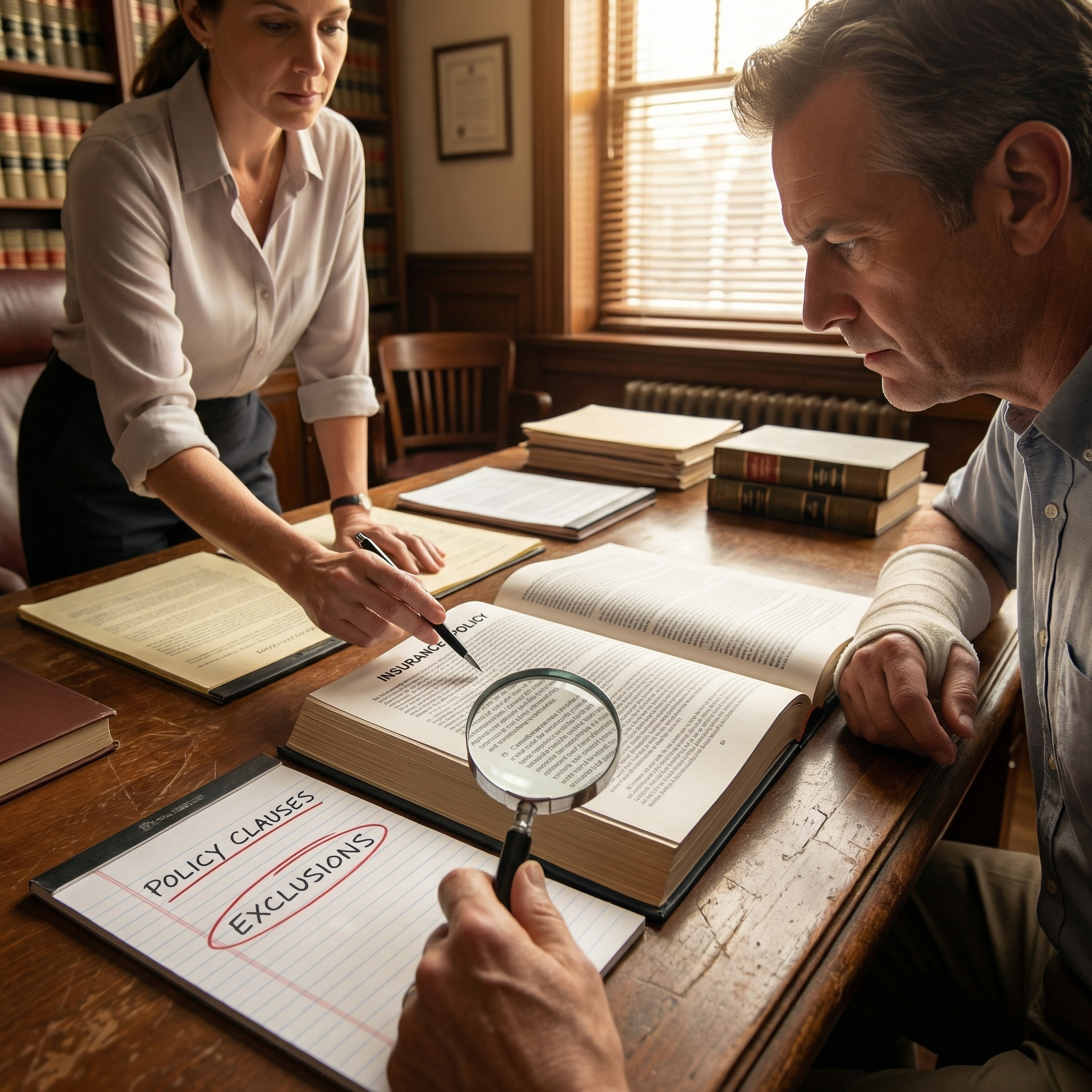
Different legal theories can grow out of the same testing failures. Skipping obvious tests can support an argument that the manufacturer was negligent in its safety process. Inadequate testing of alternative designs may strengthen an allegation that the product’s design itself was defective. Failing to test foreseeable misuse can bolster a claim that warnings and instructions were incomplete. Each path points back to the same question: did the company fairly balance profit and consumer safety before release.
Using Testing Records As Evidence In Product Injury Claims
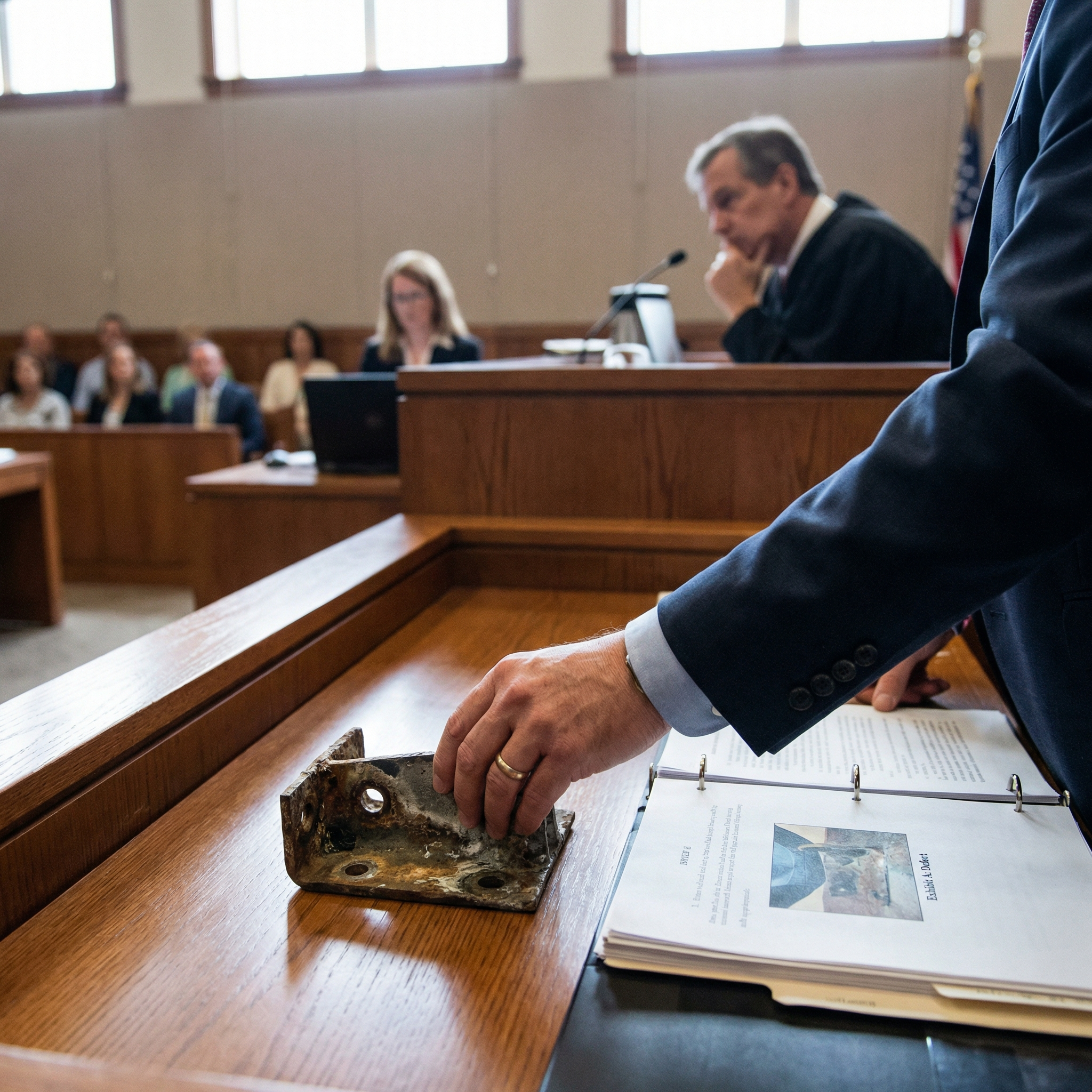
In product injury lawsuits, testing records often move from confidential files into courtroom exhibits. Through legal discovery, injury lawyers may request test protocols, lab reports, internal emails, and drafts of safety evaluations. These materials can show whether problems surfaced during development but were downplayed or ignored. They can reveal if a company stopped testing after early favorable results, rather than pushing to find hidden weaknesses. When a jury sees that warnings were watered down while hazards were known, credibility can quickly erode.
Expert witnesses also play a major role in interpreting consumer product testing data for judges and juries. They can explain whether the methods used matched industry practice and safety standards. Experts may compare the company’s tests with what responsible competitors do in similar situations. They can highlight missing tests that should have been performed, or flawed assumptions buried in the data. This testimony helps translate technical documents into clear stories about preventable injury and corporate responsibility.
Questions Injured Consumers Should Ask About Product Testing
After a serious injury, you may not know where to start, but targeted questions about testing can guide your first legal conversations. These questions help your lawyer focus quickly on whether the manufacturer took reasonable steps before selling the product. They also show that you understand testing is not a luxury; it is a core safety obligation.
Consider bringing questions like these to your attorney meeting:
- Did the manufacturer perform independent consumer product testing, or rely only on supplier or in house assurances.
- Were tests designed around real world users like me, including my age, size, and typical environment.
- Did the company test for foreseeable misuse, such as drops, spills, or children accessing the product.
The answers will influence how your lawyer investigates, what experts to hire, and how to frame your legal claims. Clear evidence of weak or missing testing often strengthens a case early. It may even encourage faster, fairer settlement discussions once the manufacturer sees its vulnerabilities. That is why asking about testing is not technical trivia; it is a direct line to accountability.
How Legal Pressure Improves Future Consumer Product Testing
Product injury cases are about justice for one person or family, but they can also reshape testing for countless future buyers. Lawsuits sometimes uncover patterns of defects across similar models or product lines. When that happens, companies may quietly overhaul their test protocols to close dangerous gaps. Settlements or judgments can include agreements to upgrade testing, improve warnings, or add independent safety reviews. Over time, these legal outcomes raise expectations for what responsible consumer product testing should include.
For injured people, this broader impact can provide a sense of forward looking purpose. Holding a manufacturer accountable does more than pay medical bills or lost wages. It can push the company, and even its competitors, to treat safety testing as nonnegotiable. The sooner an attorney can secure testing records and preserve physical evidence, the stronger that push can be. If you suspect an unsafe product caused your injury, consulting a personal injury lawyer quickly helps protect both your rights and the next consumer down the line.