
From This Week’s Headlines to Your Intake Forms
In a single news cycle, defendants in high‑stakes cases range from household brands to energy giants, airports, and AI startups. For personal injury and plaintiff-side lawyers, these developments are more than headlines; they are previews of the next generation of claims walking through your door.
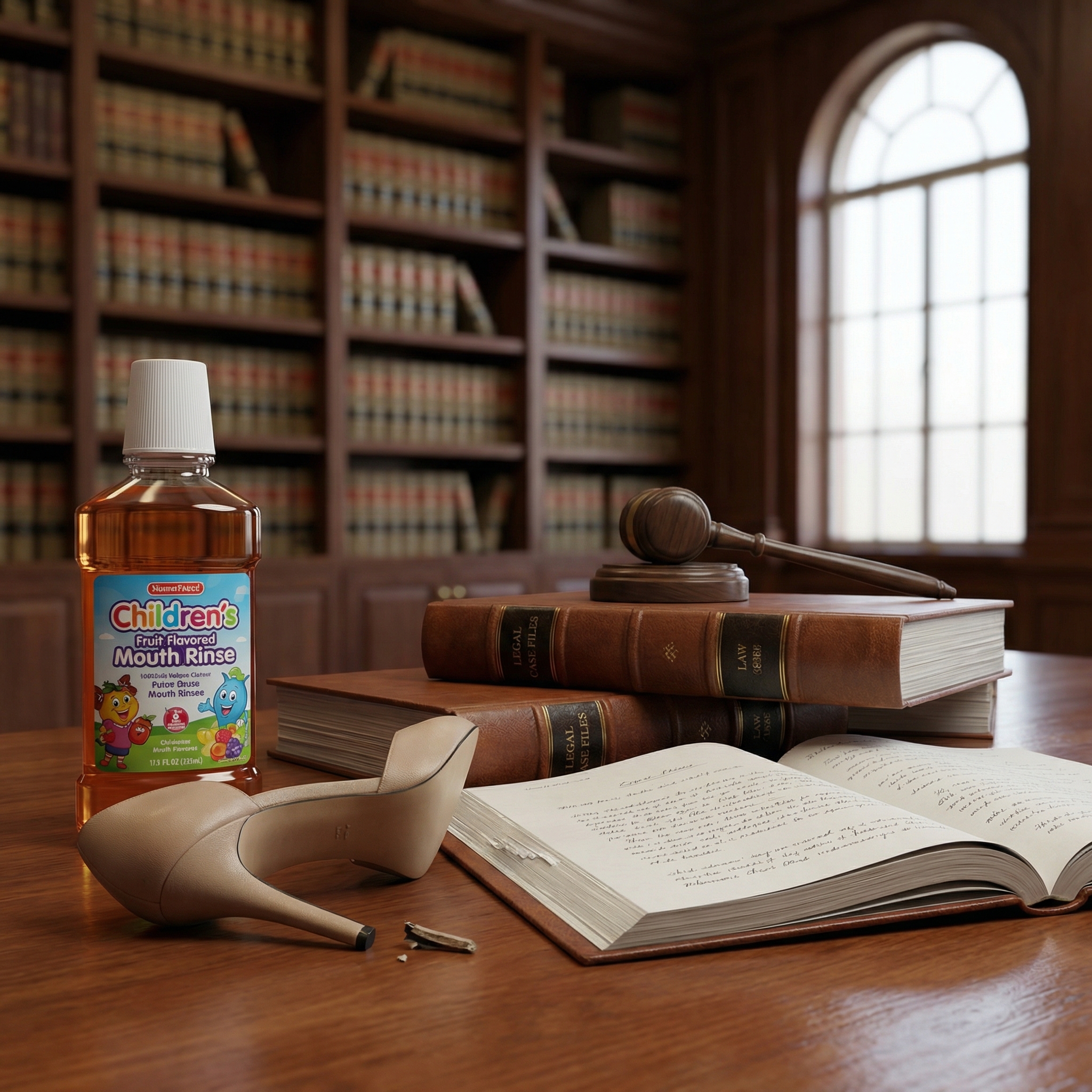
Recent filings include lawsuits claiming Colgate-Palmolive’s mouth rinse packaging misleads parents about safety for children under six, while a similar toothpaste case was dismissed. A man injured in an explosion at Valero’s Port Arthur, Texas refinery has sued, alleging the company failed to properly maintain the facility. Lawyers and commentators are also examining whether federal and local authorities can be held liable for a collision at New York’s LaGuardia Airport.
At the same time, the city of Baltimore is suing Elon Musk’s xAI over allegedly illegal sexually explicit “deepfake” images generated by its Grok chatbot, and a Los Angeles jury has found Alphabet’s Google and Meta liable in a landmark youth social media addiction trial. A food safety and animal welfare nonprofit has sued Panera Bread, claiming the company misled consumers about its meat products. Together, these cases broaden the map of who can be held to account for harmful conduct.
Everyday Products and the Illusion of Safety
The Colgate-Palmolive litigation is a reminder that packaging and messaging around safety can be as significant as the product itself. A federal judge said the company must face two lawsuits claiming its mouth rinse packaging leads parents to believe children under six can safely use the product, even as a related toothpaste suit was dismissed.
For injury and consumer-protection practitioners, that split decision underscores the need to analyze each product and representation on its own terms. A theory that survives for one item in a product line may fail for another, depending on the precise wording, design, and context of the packaging.
- Ask new clients to keep all bottles, boxes, inserts, and receipts related to allegedly harmful products.
- Compare the front-of-package assurances with any fine-print qualifications that might confuse a reasonable consumer.
- Be prepared to distinguish among closely related products, as courts may treat each label as a separate case.
The Panera Bread lawsuit filed by a food safety and animal welfare nonprofit takes a similar aim at consumer expectations, alleging the company misled customers about its meat products. Even where a complaint centers on marketing and ethics, it signals opportunities for personal injury lawyers when misrepresentations about food, supplements, or household items intersect with actual physical or emotional harm.
Industrial Explosions and Maintenance Failures
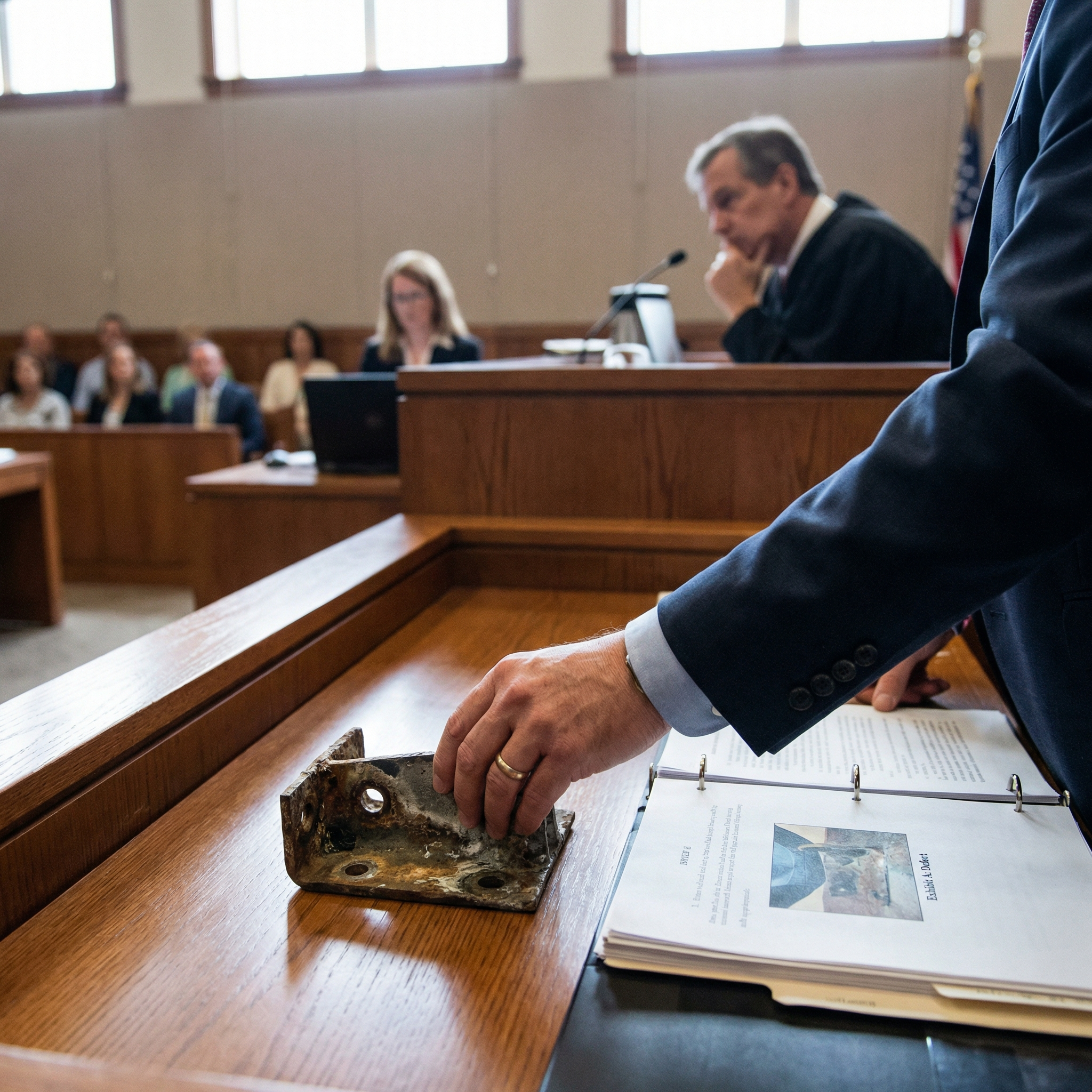
The refinery explosion case in Port Arthur, Texas is a textbook example of industrial negligence allegations. A worker who said he was injured in an explosion at Valero Energy’s refinery has sued in state court, claiming the company failed to properly maintain the facility.
For catastrophic-injury practices, the lesson is clear: maintenance is often the fulcrum of liability. When complex equipment or infrastructure fails, the paper trail of inspections, repairs, and prior incidents can make or break your case.
- Move quickly after an industrial event to document the scene, interview witnesses, and secure photos or video.
- Request maintenance logs, contractor records, and internal communications pointing to deferred repairs or known hazards.
- Identify every entity on site—owners, operators, and outside contractors—to avoid leaving viable defendants off the caption.
Even a seemingly straightforward workplace explosion can evolve into a multi-defendant, multi-theory case combining premises liability, negligent maintenance, and employer or third-party fault.
Government Defendants and High-Visibility Harm
Questions around governmental responsibility are gaining prominence. One report examines whether the U.S. government and local authorities can be held liable for a collision at LaGuardia Airport, assessing potential exposure of federal and municipal actors.
In a separate matter, a Venezuelan man has sued the U.S. government after he was allegedly misidentified as a gang member and deported to a notorious El Salvador prison in violation of a U.S. court order. He seeks at least $1.3 million in damages, tying bureaucratic decisions to severe personal consequences.
For injury lawyers, these stories reinforce that harm caused or worsened by government action is not off-limits, but it is procedurally delicate. Claims involving airports, immigration enforcement, or detention often require fast action and careful navigation of specialized rules and deadlines.
Technology-Driven Injury: From Addiction to Deepfakes
The LA jury verdict finding Google and Meta liable in a youth social media addiction trial marks a major moment in technology-related harm. While details of the award and specific findings are still emerging, the liability finding alone signals that jurors are willing to connect platform design and business choices to real-world injuries in young users.
At the same time, Baltimore’s lawsuit against xAI alleges that its Grok chatbot illegally generates nonconsensual sexually explicit images, including of children. The case highlights how AI systems can be weaponized to create graphic “deepfakes” that inflict psychological, reputational, and potentially long-term economic damage on victims and their families.
- Expand intake questions to include online behavior, social media use, and exposure to nonconsensual imagery or harassment.
- Think beyond physical injury to include mental health impacts, stigma, and future earning capacity when evaluating damages.
- Consider partnering with lawyers experienced in privacy or civil-rights litigation where digital and bodily harms overlap.
These cases suggest that design choices in platforms and AI tools can be framed as actionable conduct, particularly where children and other vulnerable groups are affected.
Ethical Landmines in High-Volume Injury Litigation
Mass torts remain a core part of the injury landscape, and courts are signaling that counsel conduct will be closely scrutinized. In a consolidated proceeding involving more than 67,000 lawsuits alleging Johnson & Johnson’s talc-based baby powder causes ovarian cancer, a federal court has barred law firm Beasley Allen from representing plaintiffs.
The ruling found that the firm improperly coordinated with a former J&J attorney on a proposal to settle the litigation. Whatever one’s view of the underlying dispute, the message to plaintiffs’ firms is unmistakable: relationships with former insiders and settlement architects will be examined for conflicts, and perceived overreach can jeopardize an entire portfolio of clients.
High-volume injury practices should revisit conflict checks, communications with former defense-side personnel, and internal protocols for mass settlements to protect both clients and cases from collateral ethics battles.
Turning Weekly Dockets into Daily Strategy
Across these cases, several themes recur: marketing that shapes safety expectations, maintenance that prevents or causes catastrophe, government decisions that deepen harm, and technology that creates new categories of injury. Personal injury law is touching all of them.
- Update client questionnaires to probe product use, workplace hazards, government interactions, and digital exposure in more detail.
- Build evidence checklists tailored to consumer labeling, industrial maintenance, and tech-platform design choices.
- Track emerging verdicts and rulings, not just for precedent, but for clues about how judges and juries are valuing new kinds of harm.
Staying close to developments like these equips personal injury and advocacy-focused firms to spot viable claims earlier, plead them more precisely, and pursue relief for clients whose injuries arise from increasingly complex—and increasingly public—forms of misconduct.