
Recreation, Safety Gear, and Your Legal Rights
Weekend sports and leisure activities are supposed to be fun, not life changing in the worst way. Yet serious injuries happen on soccer fields, bike trails, lakes, climbing walls, and community playgrounds every day. In many of these situations, recreational safety gear could have reduced the harm or even prevented the accident. That same gear can later become powerful evidence in a personal injury case. When you understand the legal role of helmets, pads, life vests, and other equipment, you can better protect both your health and your rights.
In personal injury law, what you wore, what was provided, and what was missing are all pieces of the liability puzzle. Courts and insurance companies look closely at whether appropriate protective gear was available, safe, and used correctly. They also examine whether organizations, coaches, businesses, or product manufacturers met reasonable safety standards. These questions affect fault, damages, and even whether a case can move forward. That is why smart choices about safety gear begin long before an accident and continue through every step of a claim.
Protective Gear as Your First Line of Defense
Recreational safety gear is designed to do more than satisfy a rule or league requirement; it is intended to absorb impact and prevent catastrophic injury. A properly fitted helmet can reduce the severity of a head injury in a cycling or skateboarding crash. Shin guards, pads, and mouthguards help protect bones, joints, and teeth during contact sports. Life vests and flotation devices reduce the risk of drowning or brain injury in water related incidents. When courts see that you used appropriate gear, it often supports the argument that you took reasonable steps to protect yourself.
From a legal standpoint, wearing protective equipment can reduce arguments that you were careless or ignored obvious risks. In many states, comparative negligence rules allow insurers to reduce compensation if they can prove you failed to act reasonably. Demonstrating that you used available safety gear makes it harder for an opposing party to shift blame onto you. It highlights that the real issue may be dangerous conditions, poor supervision, or defective products. In other words, gear protects your body during play and your credibility during a claim.
When Missing or Defective Gear Points to Negligence
Sometimes the problem is not whether you used the gear, but whether anyone provided it in the first place. Sports facilities, leagues, camps, and recreation businesses have a duty to consider foreseeable risks and take reasonable steps to address them. That often includes supplying appropriate helmets, pads, nets, mats, or life vests, especially when participants are children or first time users. If crucial equipment is missing, worn out, or obviously unsafe, it can be strong evidence of negligence. A personal injury attorney will look carefully at what was promised, what was actually available, and who was responsible for inspection and replacement.
The condition of shared or required equipment can dramatically change the outcome of a case. A frayed climbing harness, a cracked helmet, or a sun rotted life jacket can show a pattern of careless maintenance. Photographs, maintenance records, and witness statements about gear condition may reveal that a business cut corners to save money. When an injury occurs, those choices can be the difference between a simple accident and a legally preventable event. In that way, every piece of neglected gear on a property becomes a potential exhibit in court.
Age Appropriate Gear for Children’s Sports and Activities
Children rely entirely on adults to choose and manage their safety equipment, and the law reflects that reality. Age appropriate gear is crucial because young bodies are still developing and are particularly vulnerable to impact. Helmets, pads, and life vests must be sized correctly, properly adjusted, and suitable for the child’s sport and environment. Allowing a child to play in an adult sized helmet or with loose straps can be as dangerous as providing no gear at all. When a child is injured, lawyers often examine whether parents, coaches, or businesses followed reasonable child safety practices.
Youth leagues, schools, and camps that serve minors are often held to higher standards of care than informal pick up games. Written policies, equipment logs, and fitting checklists can show whether an organization took those responsibilities seriously. If a facility advertises kid friendly activities but fails to stock children’s sizes of helmets or flotation devices, that contradiction can support a negligence claim. Even if a parent signed a permission form, that does not erase a child focused duty to act reasonably. In many child injury cases, inadequate or ill fitting gear becomes a central issue in negotiations or at trial.
Rental Equipment, Waivers, and Your Injury Claim
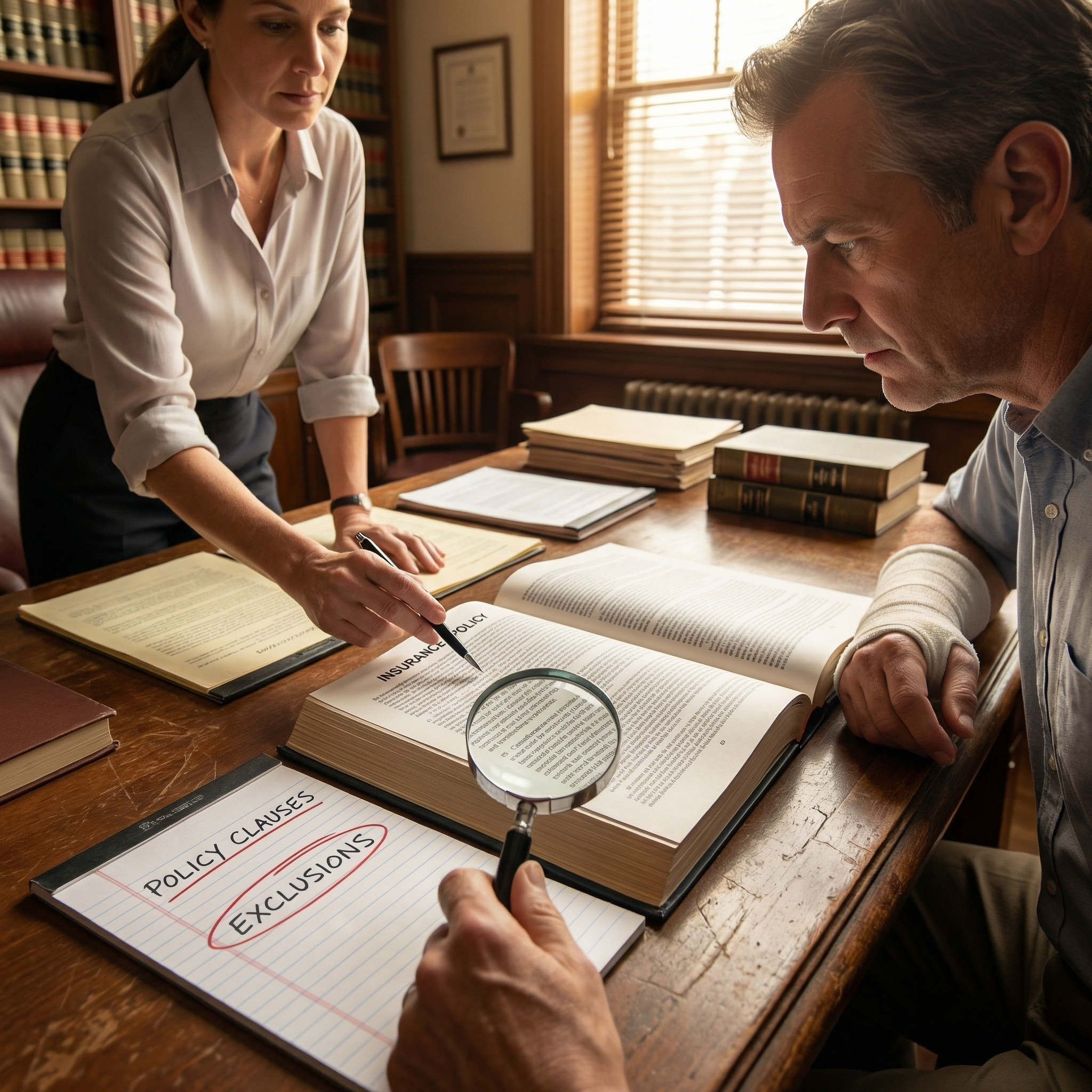
Many recreational activities involve rented or supplied gear, such as skis, snowboards, bikes, go karts, harnesses, or life jackets. Businesses that rent equipment must generally inspect, maintain, and replace items so that they remain reasonably safe for customers. When a buckle fails or a binding releases at the worst possible moment, that failure may point to poor maintenance rather than unlucky timing. Signed waivers are common in these settings, but they do not automatically protect a business from liability for reckless or grossly negligent conduct. A lawyer will usually examine both the language of the waiver and the condition of the gear to evaluate your options.
If you are injured while using rental gear, preserving the equipment and documenting its condition becomes critical. Taking photos of frayed straps, missing padding, or outdated certification labels can capture defects that might otherwise be quickly repaired or discarded. Requesting copies of rental forms can also show what you were told about safety checks and risks. When a company rushes through fittings or ignores clear signs of wear, that behavior can strengthen the argument that they breached their duty of care. Evidence like this helps shift the focus from your decision to participate toward the provider’s failure to manage known hazards.
Documenting Your Gear After an Accident
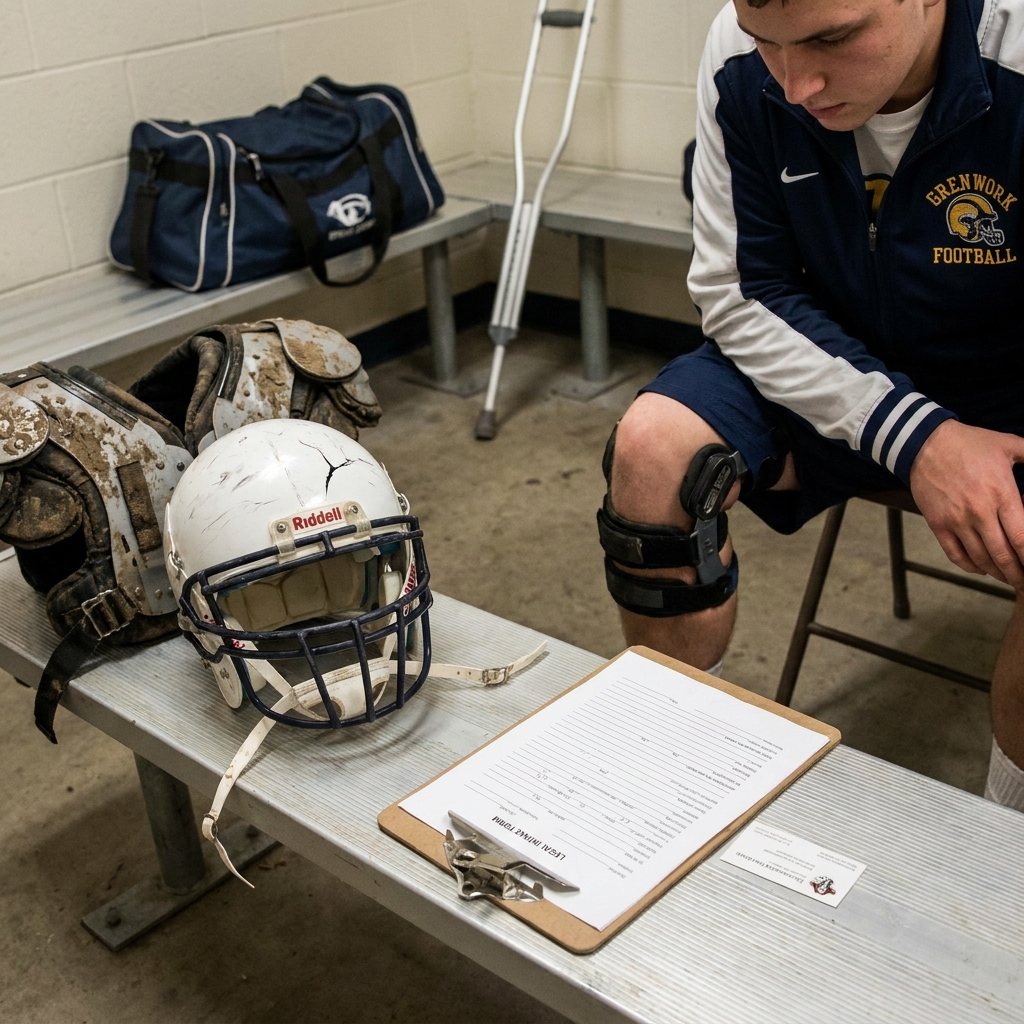
After a sports or recreation injury, people understandably focus first on medical care and getting home safely. Once your immediate needs are addressed, however, your safety gear should be preserved and documented, not thrown away. Keeping your damaged helmet, torn pads, or broken bindings can provide important clues about the force and direction of impact. Photographs of the gear from multiple angles can capture cracks, dents, or missing pieces that may fade from memory. An attorney can later share these materials with experts who analyze how and why the injury occurred.
Saving packaging, manuals, or tags from purchased gear can also be valuable if product safety becomes an issue. Receipts and online order confirmations help establish when and where an item was bought and whether it was sold as new or used. Any written instructions about fitting, replacement intervals, and age or weight limits could be relevant to questions of warning and misuse. These details help separate a one time accident from a pattern of defective design or manufacturing. Thorough documentation gives your legal team more tools to argue both liability and the full extent of your damages.
When Safety Gear Fails: Product Liability Possibilities
Not every recreation injury is caused by a careless coach or poorly maintained facility; sometimes the gear itself is unreasonably dangerous. A helmet that cracks under a moderate impact or a life vest that rides up and fails to keep a person’s head above water may indicate deeper problems. In those situations, product liability law may allow claims against manufacturers, distributors, or retailers. These cases often focus on design flaws, manufacturing errors, or inadequate warnings about how and when gear should be used. Holding companies accountable can compensate the injured person and encourage safer designs for everyone.
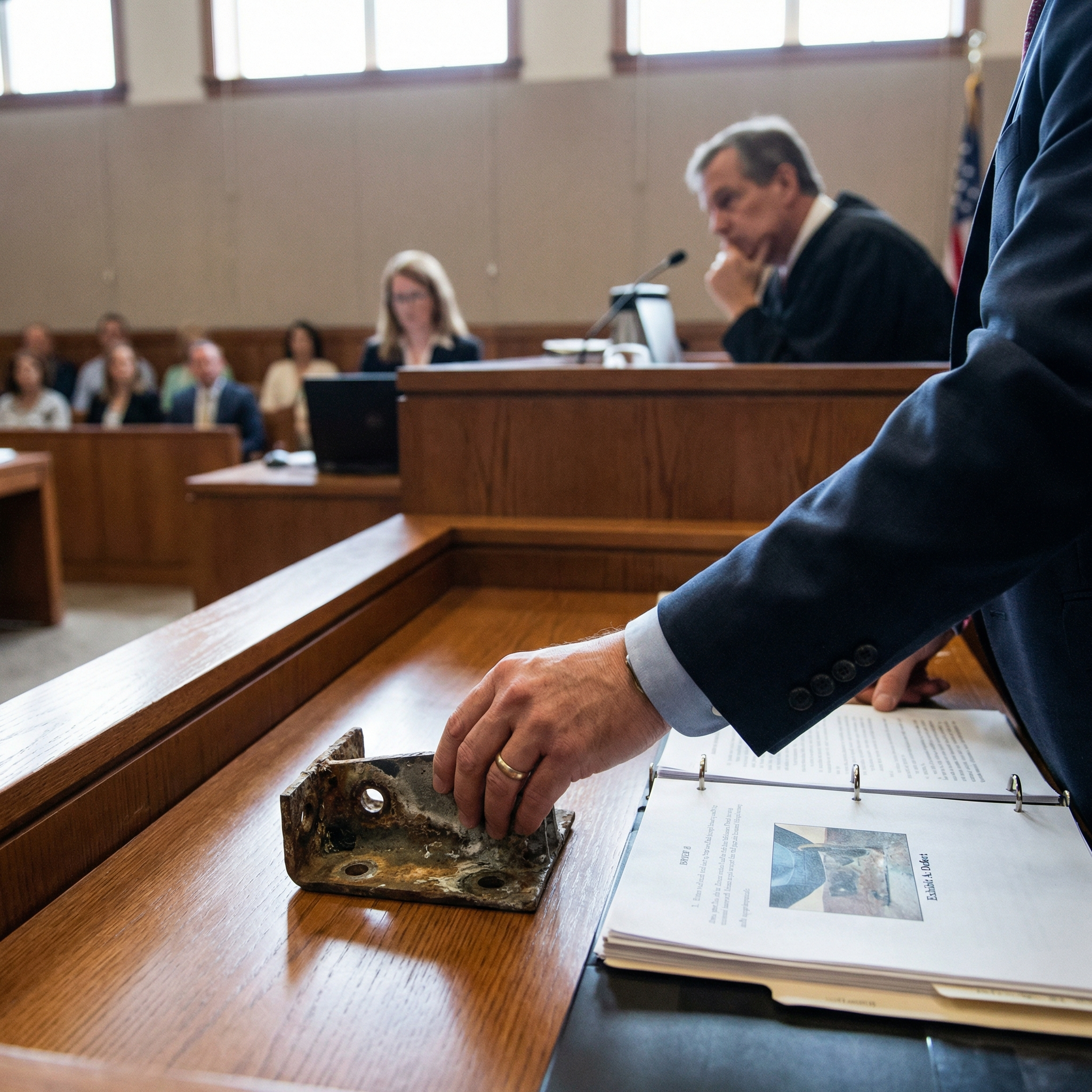
Product liability claims are evidence heavy, which makes early preservation of damaged gear especially important. Engineers and safety experts may test materials, review design drawings, and compare failed items to industry standards. If a manufacturer ignored known problems or rushed a product to market without reasonable testing, that pattern can be powerful at trial. Your attorney can coordinate these investigations while you focus on recovery. In the end, a single failed helmet or harness can reveal broader safety issues that affect entire teams, schools, and communities.
Practical Steps to Protect Both Your Body and Your Claim
Choosing and using recreational safety gear wisely does not require perfection, but it does require intention. Before an activity, make sure gear is appropriate for the sport, fits correctly, and shows no obvious signs of damage. During play, follow posted rules and any instructions given by coaches, guides, or staff, and speak up if equipment seems unsafe. After an incident, seek prompt medical attention, preserve your gear, and take photos of the scene and equipment when it is safe to do so. Then consider speaking with an experienced personal injury attorney who can help evaluate whether unsafe conditions, poor supervision, or defective gear contributed to what happened.
Recreational time should build memories, not medical files and legal disputes. Still, when injuries occur, the choices you made about safety gear can shape both your physical outcome and your legal options. Proper equipment use often reduces the severity of an injury, while missing, worn, or faulty gear can reveal serious lapses by others. By paying attention to your gear before, during, and after activities, you put yourself in a stronger position on every front. That proactive approach is one of the most effective ways to protect your health, your family, and any future personal injury claim.