
When Trampoline Safety Becomes A Legal Issue
Backyard and commercial trampolines are marketed as healthy fun, but they also generate a steady stream of painful injuries. When a serious fall or collision happens, families are often told it was just an accident or that the child simply jumped the wrong way. Personal injury law takes a different view, asking whether reasonable safety standards were met and whether the harm was preventable. Trampoline safety rules are not just suggestions; they help define the duty of care owed by manufacturers, property owners, and operators. When those standards are ignored, the law may allow injured people to seek compensation for the physical, emotional, and financial damage that follows.
Trampoline Injuries Through A Legal Lens
From broken bones and concussions to spinal and neck injuries, trampoline accidents can leave lasting consequences long after the bruises fade. Legally, the central question is rarely whether a trampoline is risky, because that is widely understood, but whether those in charge took reasonable steps to reduce that risk. Courts and insurance companies consider whether the danger was made unreasonably high by poor maintenance, inadequate supervision, or defective design. Injury claims also examine who was using the trampoline, including whether children were invited or allowed to jump despite obvious safety concerns. Looking at these facts through a legal lens helps distinguish unforeseeable mishaps from injuries caused or worsened by preventable safety failures.
Responsibility for safe trampoline use is often shared among several parties, and a thorough legal review can uncover each person or company’s role. A homeowner might be responsible for failing to install basic safety equipment or enforce simple rules, even if the trampoline itself was well designed. A business that runs trampoline activities may be held to an even higher standard because it invites the public to participate and profits from that use. Manufacturers and retailers have legal duties related to how products are designed, tested, labeled, and marketed to families. When something goes wrong, determining exactly how each of these responsibilities intersected on the day of the injury is crucial to building a strong claim.
Key Safety Features That Set The Legal Baseline
Modern trampoline safety standards focus on reducing falls, dangerous landings, and collisions, and those same features are central in many injury cases. Protective enclosures are designed to keep jumpers from being thrown off the edge and onto the ground or nearby objects. Padding is intended to cover hard metal frames and springs so that a simple misstep does not become a severe laceration or fracture. Clear rules about weight limits, age restrictions, and the number of jumpers at one time are aimed at keeping predictable roughhousing from turning into life-changing trauma. When these baseline safeguards are missing or neglected, it may be evidence that the legal duty of care was not met.
Personal injury attorneys often compare the trampoline involved in an accident to widely accepted safety practices in the industry. If similar products routinely include enclosures and sturdy padding, a bare-bones model with little protection is more likely to raise design concerns. If instruction manuals advise one jumper at a time, yet an organized activity encouraged group flips, that conflict can be used to show negligence in operation. Even the location and setup of the trampoline matter, such as whether it was placed on an appropriate surface and away from obstacles. Each of these details helps establish whether those responsible measured up to or fell below the safety baseline that the law expects.
Who Sets Trampoline Safety Standards And Who Must Follow Them
Trampoline safety standards do not come from a single source, but from a combination of industry guidelines, product testing protocols, and local rules. Manufacturers often refer to widely recognized design and performance standards when deciding how strong materials should be, how springs should be covered, and what warnings must be included. Retailers may adopt internal policies about what types of trampolines they are willing to sell, especially for children, based on safety features. Local governments can influence where and how trampolines are installed through zoning, building codes, or requirements for certain kinds of permits. Insurers also play a role by setting expectations for what they will cover, which can effectively push owners toward safer setups.
On the user side, homeowners, landlords, schools, and businesses that provide access to trampolines all carry specific legal responsibilities. A homeowner who invites neighborhood children to jump cannot simply point to the manufacturer if basic maintenance and supervision have been ignored. Landlords who allow trampolines on rental properties may be questioned about whether they knew of risks and took steps to address them. Schools, camps, and commercial trampoline venues are expected to train staff and enforce rules that align with written safety standards. When any of these players disregard commonly accepted guidance, they increase the chance of an injury and the likelihood of being found legally at fault.
When Safety Failures Turn A Fun Jump Into A Legal Claim
Not every trampoline accident results in a viable personal injury claim, but patterns of safety failures are powerful warning signs. Serious questions arise when a child is injured because a worn or broken net was never repaired, or because there was no net at all despite heavy use. Claims often focus on missing or damaged padding that leaves hard metal edges exposed exactly where children are most likely to land. A case becomes stronger when there were repeated warnings about dangerous behavior, like flips or overcrowding, that were ignored by those in charge. Likewise, if a business pushes customers to sign broad waivers while cutting corners on supervision or equipment upkeep, those waivers may not fully shield it from responsibility.
Defective or poorly designed trampolines can also trigger legal action against manufacturers and distributors, even when owners tried to be careful. Design issues might include frames that tip too easily, parts that break under routine use, or instructions that are unclear or misleading about safe installation. Warning labels that hide crucial information in tiny print or fail to explain obvious risks can be scrutinized in court. In these cases, lawyers investigate whether safer alternative designs or clearer warnings were reasonably available and ignored. When the evidence shows that better choices were possible and affordable, the law may label the product unreasonably dangerous and hold the company accountable.
Building A Strong Case With Safety Evidence
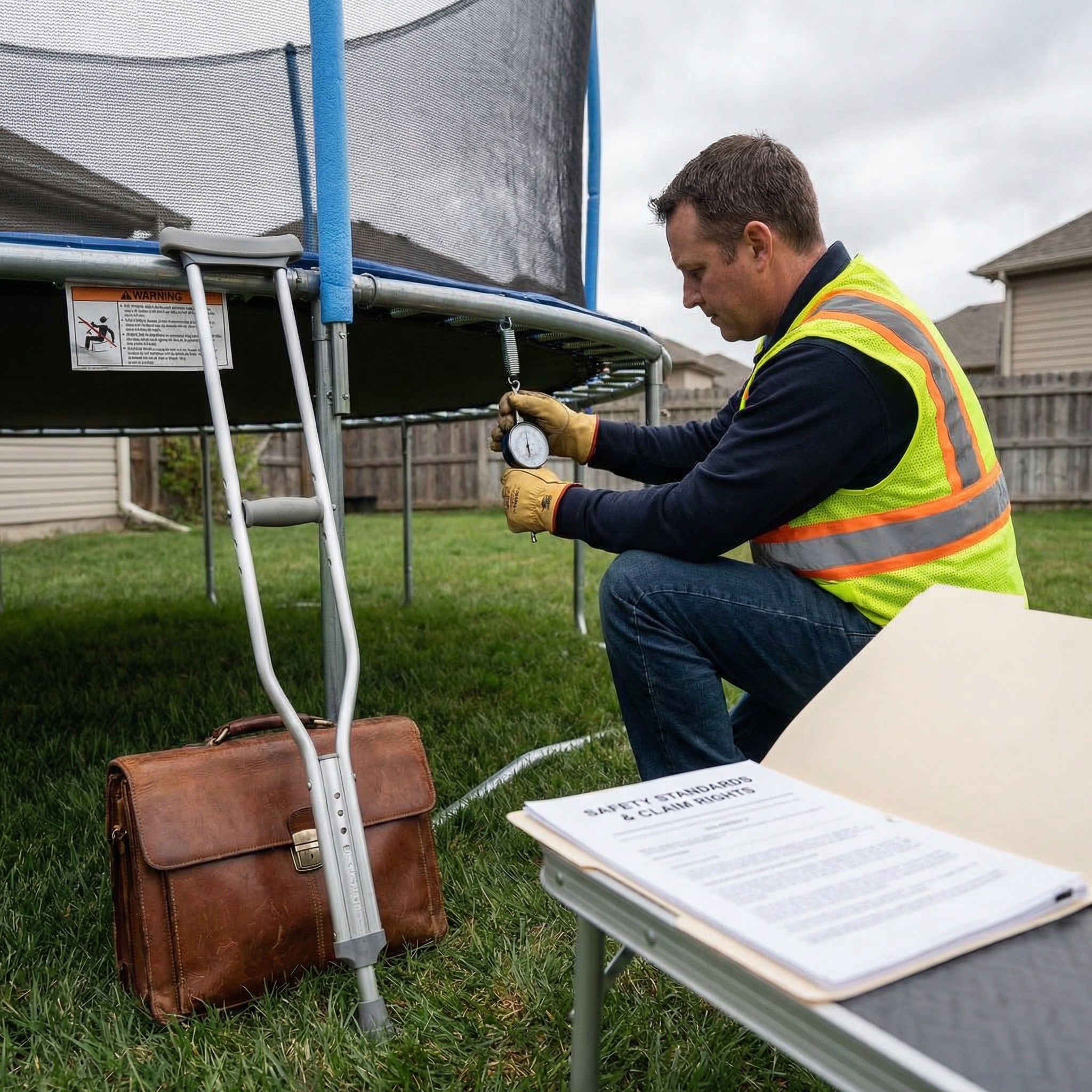
After a trampoline injury, the steps taken in the first few days can dramatically shape the strength of any future claim. Photographs of the trampoline, its surroundings, and any visible damage capture details that might later be repaired or removed. Pictures of missing padding, unsecured ladders, or a lack of fencing can be persuasive proof that safety standards were not followed. Keeping copies of instruction manuals, purchase receipts, and product packaging can help show exactly what warnings and features the manufacturer promised. Medical records that link the injury to the incident and describe its severity are essential for demonstrating the full scope of harm.
- Document the condition of the trampoline and nearby area as soon as possible.
- Save all written materials, including manuals, rules, and any waiver forms that were signed.
- Collect names and contact information for witnesses who saw the setup and the accident.
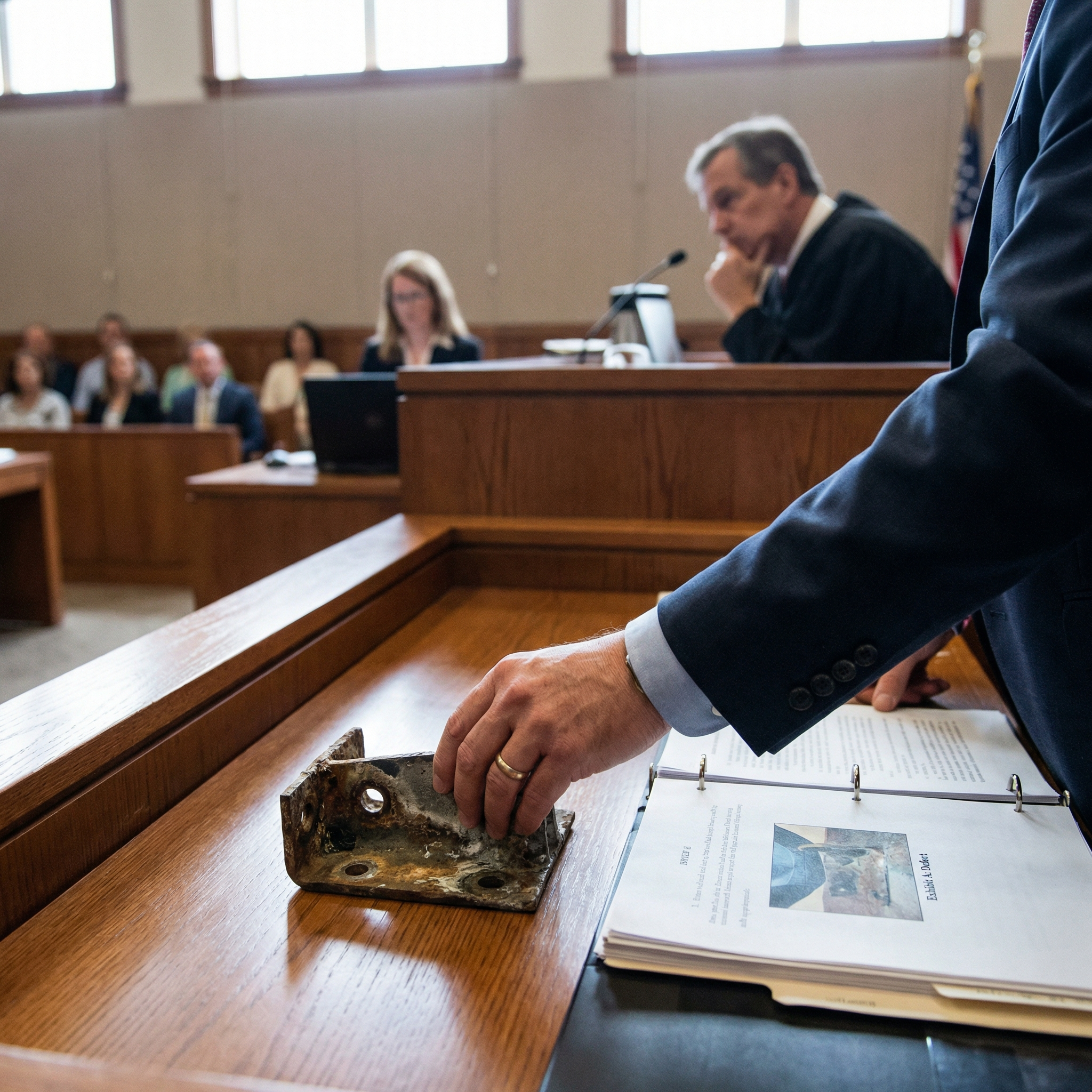
Businesses and organizations may also generate important documents, such as incident reports, training records, and maintenance logs. An attorney can request these records to see whether known risks were ignored or downplayed before the accident occurred. If video cameras were in the area, footage may show how many people were jumping, whether rules were enforced, and what happened in the moments before the fall. Even small details, like whether staff measured jumper height or reviewed rules with participants, can make a difference in proving negligence. The more thoroughly safety conditions are preserved on paper and in images, the easier it becomes to connect safety failures to the injuries suffered.
Working With An Injury Lawyer To Apply Safety Standards
Trampoline safety standards can seem technical, but a personal injury lawyer’s role is to translate those rules into a clear, human story. By comparing what was supposed to happen with what actually happened, an attorney can show how each safety breakdown increased the chances of harm. This comparison often involves consulting experts who understand trampoline design, child safety, or risk management in recreational settings. Together, they can explain whether the equipment, supervision, and environment met the level of care that ordinary, careful people and companies would provide. That analysis becomes the foundation for insurance negotiations or a courtroom presentation that connects legal standards to real-world suffering.
An experienced lawyer also helps injured people and their families understand the timelines, paperwork, and decisions that come with a claim. They can advise on communicating with insurance adjusters so that important facts are not lost or misrepresented. Lawyers evaluate current and future medical costs, lost income, and the impact on school, work, and family life to calculate fair compensation. They also keep an eye on broader safety implications, since holding negligent parties accountable can encourage better equipment and safer practices for others. When trampoline safety standards are taken seriously both in backyards and in courtrooms, fewer jumps end in tragedy, and injured people have a stronger path to recovery.