
When Warning Labels Fail, People Get Hurt
Every day, consumers trust product warning labels to tell them when something is dangerous and how to use it safely. When those labels are confusing, incomplete, or hidden, that trust is broken and real people can suffer life-changing injuries. In personal injury law, these situations are often called failure-to-warn or defective warning cases. The core idea is simple but powerful: product warning labels must clearly communicate potential risks to the people actually using the product. When they do not, injured consumers may have a strong basis for a product liability claim.
Warning Labels as a Legal Safety Net
Warning labels are more than marketing or legal fine print; they are a critical safety net between manufacturers and consumers. Product makers know far more about hidden dangers than the average user ever will. The law recognizes this knowledge gap and expects companies to share important risk information in a direct, understandable way. If a manufacturer fails to warn about a hazard that is not obvious, and someone is hurt, that failure can be treated as a defect. Personal injury attorneys use this principle to hold companies accountable when silence or vague language puts people in harm’s way.
These cases often focus on what the company knew, or reasonably should have known, before the injury happened. Internal testing, complaint reports, and prior incidents can all show that a manufacturer was aware of a serious risk. When the label still downplays dangers or omits them completely, it can look like the company chose convenience over safety. That gap between knowledge and warning content is where many strong injury claims are built. Clear warnings protect consumers, but they also protect responsible companies that take their communication duties seriously.
What “Clear and Conspicuous” Really Means
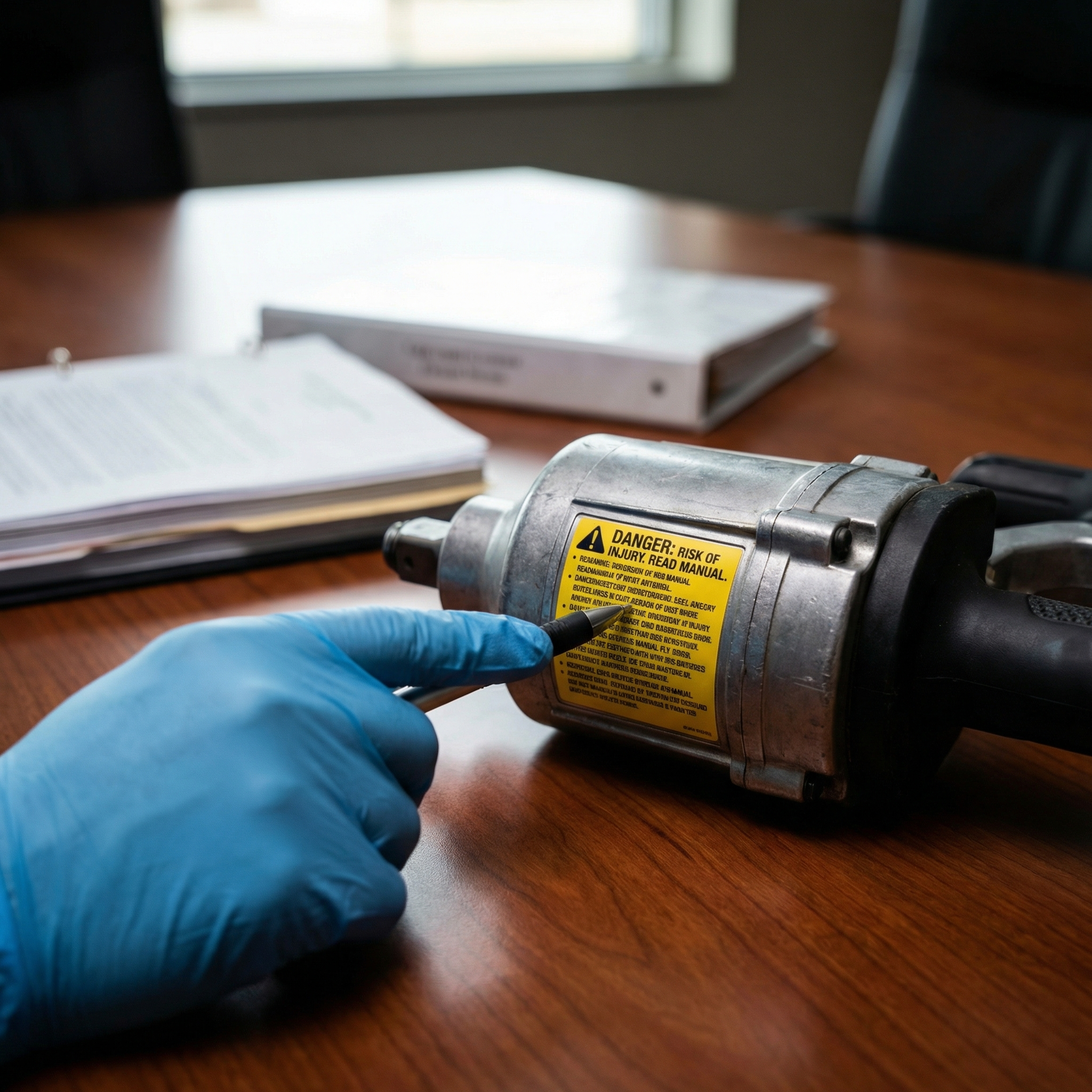
Many regulations and court decisions use the phrase clear and conspicuous, but those words have very specific implications in real cases. Clear means the warning uses everyday language, avoids technical jargon where possible, and directly states what can go wrong. Conspicuous focuses on placement, size, color, and design, making sure the warning stands out instead of blending into the background. A tiny paragraph in faint print on the bottom of packaging rarely meets this standard. Personal injury lawyers will carefully examine both the wording and presentation to see whether the warning truly commanded attention.
Clarity also includes tailoring warnings to the expected users of the product. A warning aimed at trained technicians can assume more knowledge than one aimed at children’s caregivers. If a company sells to households but uses dense industrial terminology, it can be argued that the label was not designed for real-world users. Conspicuousness similarly looks at how an ordinary consumer would interact with the product. If critical warnings appear only in a manual that most people never read, courts may question whether the warning was effectively communicated at all.
Common Warning Label Failures That Trigger Claims
Failure-to-warn cases often involve the same types of label problems appearing again and again. One frequent issue is the complete absence of a warning about a non-obvious but serious hazard, such as a risk of fire, amputation, or toxic exposure. Another problem is sugar-coated language that minimizes the severity of consequences, using vague phrases instead of naming specific injuries. Labels that focus only on proper use, while ignoring reasonably foreseeable misuse, can also be vulnerable. Personal injury attorneys look for these patterns to show that the warning did not reflect real-world risks.
Design flaws in the label itself can also be powerful evidence. Warnings that are buried in cluttered packaging, printed in low-contrast colors, or overshadowed by bold marketing claims can all be challenged. In some cases, important warnings appear only in foreign languages or only in fine print that many users cannot read easily. Missing pictograms or symbols can matter, especially where language barriers are likely. Each of these failures can help show that the manufacturer’s communication fell short of basic safety expectations.
Connecting a Defective Warning to the Injury
Even when a warning label is clearly flawed, injured people still must show that the defect actually contributed to their harm. This concept is called causation, and it is a crucial element in any personal injury case. Lawyers often ask whether a reasonable consumer would have acted differently if the warning had been clear and prominent. For example, would the person have used extra protective equipment, avoided a certain environment, or chosen not to use the product at all. A carefully constructed timeline of events before the injury helps demonstrate this connection.
Testimony from the injured person can be especially important in showing how they read and understood the product information. If they never saw the warning because it was hidden or confusing, that supports the argument that communication failed. Attorneys may also use human factors experts to explain how design choices affect what people notice and remember. These experts can compare the existing label to industry guidelines or better alternatives that could have reduced the risk. The stronger the link between poor communication and the actual injury, the stronger the overall claim becomes.
Evidence Consumers Should Preserve After a Warning Failure
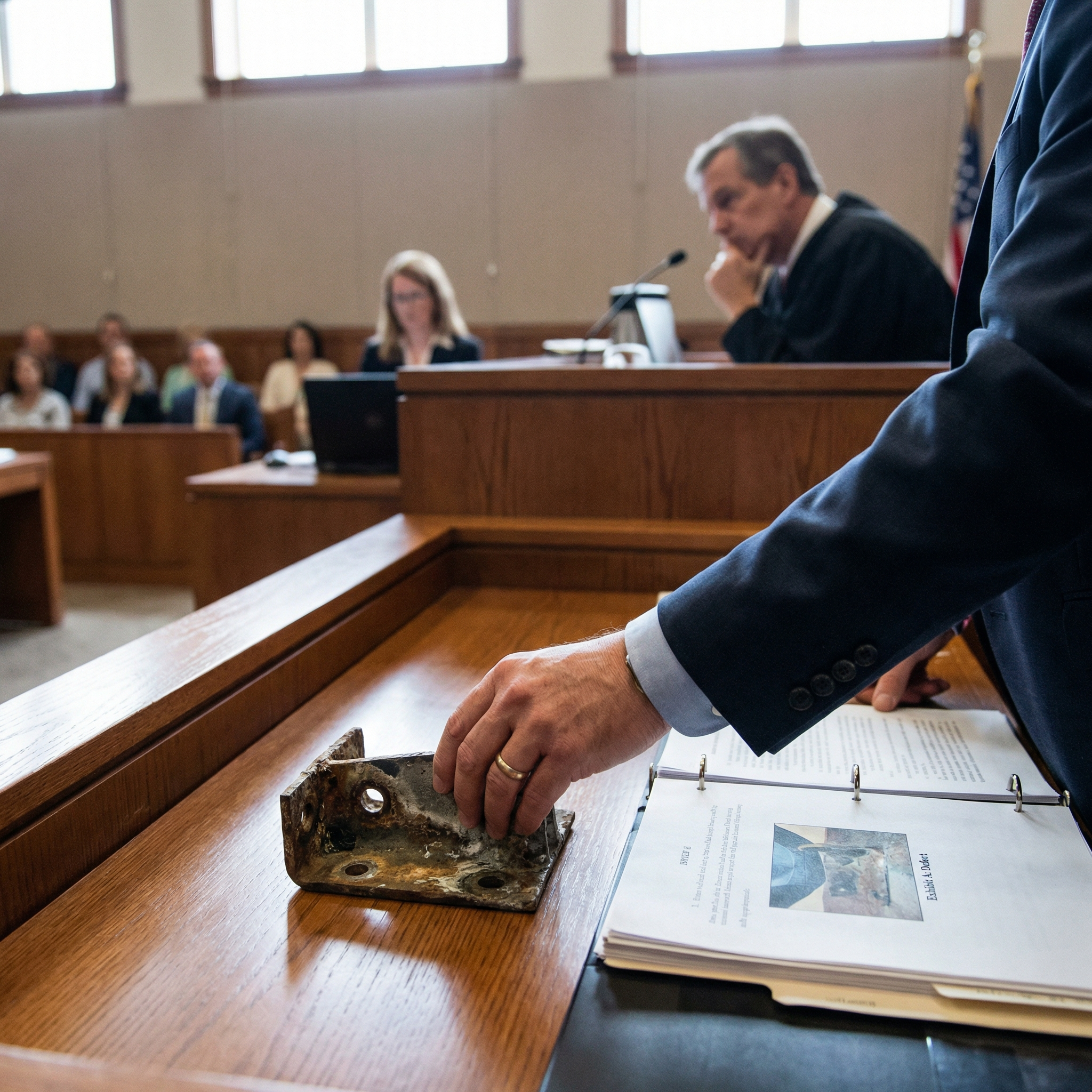
After a product-related injury, preserving evidence can make the difference between a weak claim and a persuasive one. Injured consumers should keep the product itself, including any damaged parts, in as close to original condition as possible. Packaging, inserts, and manuals are often critical because they show exactly what warnings were provided at the time of purchase. Photographs of the product, labels, and the scene of the incident help document how everything appeared in real life. Notes about when and where the product was purchased can also help attorneys track down additional information.
It is also helpful to record what the injured person recalls reading or noticing before using the product. Did they see any warning symbols, bold text, or caution statements. Were warnings only discovered after the injury, when looking back through the manual. Witnesses who observed how the product was used and what was visible can add valuable context. All of this evidence helps a personal injury attorney reconstruct the communication environment surrounding the product and evaluate whether the manufacturer met its duties.
How Personal Injury Lawyers Build Failure-to-Warn Cases
Attorneys handling warning label cases combine legal analysis with careful investigation and, often, expert testimony. They start by reviewing every piece of written material that came with or appeared on the product, including online descriptions when relevant. They then compare those materials to known risks identified in safety standards, scientific studies, and company documents obtained during litigation. Where gaps appear, lawyers argue that the manufacturer failed to warn about specific, foreseeable dangers. They also examine whether the label design followed accepted principles of risk communication and human behavior.
In many cases, lawyers work with experts in product safety, warnings, and human factors engineering to evaluate the label. These experts can explain whether the warning was likely to be noticed, understood, and followed by ordinary users. Together, the legal team and experts translate technical findings into clear arguments about responsibility and preventable harm. When successful, these claims not only secure compensation for medical expenses, lost income, and pain but also encourage safer warnings in the future. That combination of accountability and prevention lies at the heart of product warning label litigation.
Protecting Yourself and Others Through Legal Action
For injured consumers, pursuing a claim based on defective warnings is about more than a single incident. It is an opportunity to shine a light on communication failures that may be putting many other people at risk. Sharing full details with a personal injury attorney allows them to evaluate both the strength of the case and its broader safety implications. When patterns of poor warnings are uncovered, legal action can push manufacturers to redesign labels, improve instructions, and prioritize honest risk information. This ripple effect helps create safer products and more transparent communication across entire industries.
Anyone harmed by a product should know that they do not have to navigate these issues alone. An experienced personal injury lawyer can interpret complex labels, gather expert opinions, and challenge inadequate warnings in court. By focusing on how product warning labels must clearly communicate potential risks, they help judges and juries see where safety broke down. Successful cases can deliver vital financial support for recovery while also preventing similar injuries in the future. Clear warnings save lives, and strong legal advocacy helps ensure that companies treat that responsibility with the seriousness it deserves.