

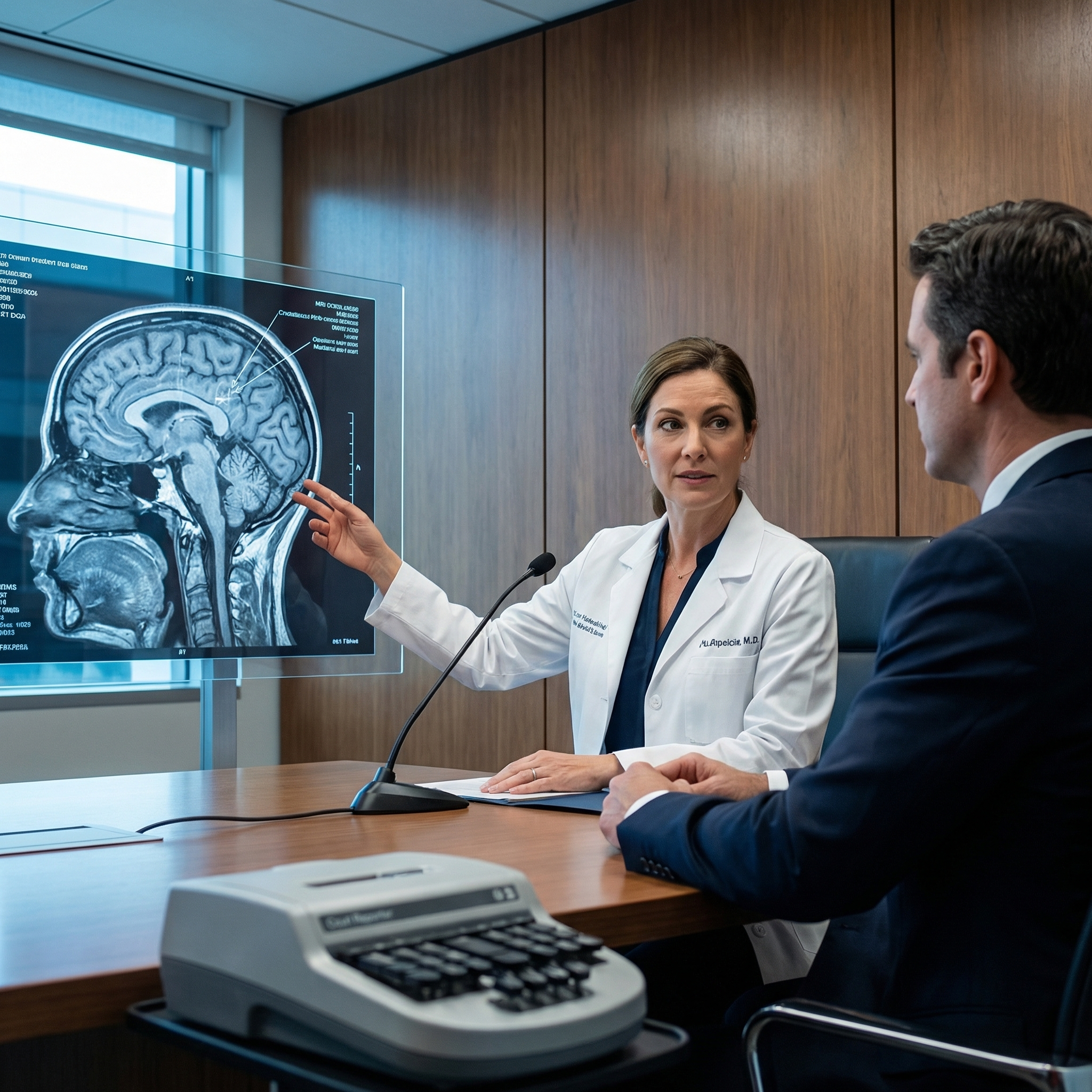
Expert Medical Opinions: The Backbone of Medical Malpractice Lawsuits
In a medical malpractice case, expert medical opinions often determine whether an injured patient receives justice or walks away with nothing. Jurors, judges, and even insurance adjusters usually lack medical training, so they rely on qualified experts to explain what should have happened and what went wrong. A strong expert opinion connects the medical facts to clear legal standards in language non-doctors can understand. Without that bridge, even very serious errors can sound like unavoidable complications. For injured patients and their advocates, treating experts as core evidence rather than an afterthought can change the entire trajectory of a claim.
Why Expert Medical Opinions Sit at the Heart of Malpractice Claims
Medical malpractice is not simply about a bad result; it is about whether a provider violated the applicable standard of care. That standard is rarely obvious to a layperson, and the law usually requires expert testimony to define it. An expert opinion frames the case by explaining what a reasonably careful doctor, nurse, or hospital should have done under similar circumstances. Once that benchmark is clear, the same expert can compare it to the actual decisions and actions in the patient’s care. This comparison is what turns medical records into persuasive evidence of negligence rather than a confusing stack of clinical notes.
Expert medical opinions also give a malpractice claim credibility at every stage of the process. When an insurer sees that a respected specialist supports the allegations, it is far more likely to take the case seriously. Courts often require a supporting expert opinion just to file or continue a malpractice lawsuit, so obtaining one early is crucial. A thoughtful expert report can narrow the issues, focus discovery, and discourage the defense from relying on vague excuses. Put simply, no matter how sympathetic the story, malpractice claims rarely move forward without a qualified expert standing behind them.
Translating Standards of Care Into Persuasive Evidence
For a jury, abstract references to medical guidelines or protocols can quickly become overwhelming. Effective experts translate those standards of care into practical rules that match the facts of the case. Instead of reciting dense textbook passages, they explain what a careful provider would have done step by step in the real clinical setting. That might involve clarifying when additional tests should have been ordered, which risks required a warning, or how a different treatment choice would have changed the outcome. When the standard is presented in concrete, everyday terms, jurors can more easily see where the defendant’s care fell short.
Expert opinions are also pivotal because they connect accepted medical knowledge to the unique history of the injured patient. An expert who reviews imaging studies, lab results, office notes, and hospital records can identify specific missed opportunities for diagnosis or intervention. They can then point to well-recognized guidelines, peer-reviewed literature, or common clinical practice that support their conclusions. This methodical approach turns alleged mistakes into clearly documented deviations from professional norms. The more precisely an expert ties those deviations to the actual chart, the harder it becomes for the defense to dismiss the case as just a difference of medical opinion.
Connecting Medical Negligence to Real-World Harm
Proving that a provider made an error is not enough; a malpractice claimant must also show that the error caused real harm. Expert medical opinions are crucial for explaining causation in a way that accounts for the patient’s underlying health and other risk factors. A skilled expert can differentiate between complications that likely would have occurred anyway and injuries directly linked to negligent care. They may walk through medical timelines, showing how an earlier diagnosis, prompt surgery, or different medication would have changed the course of the illness. This helps jurors understand that the harm was not just possible but probably preventable with proper treatment.
Experts also play an important role in quantifying the extent of the patient’s injuries. They can describe how the malpractice affected the person’s abilities, long-term health, and need for future care. When paired with life-care planners and economic experts, their opinions help support claims for medical expenses, lost earning capacity, and non-economic damages. A clear medical explanation of permanent limitations or ongoing pain often makes the difference between a modest settlement and full compensation. By tying medical negligence directly to daily struggles and future costs, expert opinions transform clinical mistakes into a vivid picture of life after injury.
Choosing the Right Expert for Your Medical Malpractice Case
Not all experts are equally persuasive, even if they are highly trained in their field. In malpractice litigation, credibility and communication skills can matter as much as credentials. Injury lawyers look for professionals who actively practice or recently practiced in the same specialty as the defendant, because jurors tend to trust peers who clearly understand current standards. Board certification, teaching roles, and publications can help, but they are most valuable when paired with a calm, balanced demeanor on the stand. An expert who appears fair-minded, acknowledges reasonable gray areas, and avoids advocacy language often carries the most weight with juries.
Experience with legal proceedings is another important consideration when selecting experts. Providers who understand deposition procedures, court rules, and cross-examination tactics are better prepared to withstand pressure from the defense. They know how to keep their opinions grounded in the medical record and avoid speculative statements that might be attacked later. At the same time, a good expert respects professional boundaries and does not try to tell the jury what verdict to reach. Instead, they focus on supplying clear, well-reasoned medical conclusions that support the legal arguments made by the patient’s attorney.
Building Strong Opinions From Medical Records and Timelines
The quality of an expert medical opinion often depends on the completeness and organization of the underlying records. Before giving an opinion, a conscientious expert will review hospital charts, office notes, imaging, lab reports, and any prior treatment history. Injury attorneys can strengthen the expert’s work by assembling a detailed timeline that highlights key decision points and symptoms. This timeline helps the expert see how quickly the condition evolved, when red flags appeared, and where delays or missteps occurred. With that big-picture view, the expert can craft opinions that address the entire course of care rather than isolated events.
Clear communication between the legal team and the expert is essential during this analysis. Attorneys can provide focused questions that align with the elements of a malpractice claim, such as standard of care, breach, and causation. In response, the expert can identify which records support each opinion and where additional information might be needed. This collaboration often leads to targeted requests for missing documents, clarifying addenda to the chart, or supplemental imaging studies. The result is an expert opinion that is not only scientifically sound but also tightly aligned with the legal theories of the case.
Using Expert Testimony Strategically in Negotiations and Trial
Expert medical opinions exert influence long before a jury ever hears them. A detailed, well-supported expert report can prompt early settlement discussions by revealing the strengths of the claim. Injury lawyers may share key excerpts with opposing counsel or insurers to demonstrate how convincingly the expert will explain the errors at trial. When the defense sees that its own conduct will be evaluated by a confident, respected peer, it may become more open to resolving the case. Even if settlement talks stall, the existence of a strong expert opinion anchors negotiations around a realistic valuation of the harm.
During trial, expert testimony becomes the backbone of the plaintiff’s narrative. The expert walks jurors through medical concepts step by step, often using visual aids or timelines prepared with the attorney. They explain complicated diagnostic processes in everyday language, invite jurors to compare what should have happened to what actually occurred, and calmly answer cross-examination. When done well, this testimony gives jurors the tools they need to evaluate conflicting stories from the defense. Ultimately, the expert’s clarity and confidence can give jurors the assurance that finding for the injured patient is both medically and legally justified.
What Injured Patients Can Do to Support Strong Expert Opinions
Although expert medical opinions rely heavily on professional training and records, injured patients still play a meaningful role in strengthening them. Keeping track of symptoms, follow-up visits, and changes in daily functioning can help verify and supplement the chart. Sharing detailed information about pre-existing conditions and prior treatment allows experts to distinguish new injuries from older problems, which is vital for fairness and accuracy. Patients who gather bills, prescription information, and therapy notes also make it easier for experts to assess the full scope of ongoing care. All of this background supports a more thorough and reliable medical evaluation.
Open, honest communication with the legal team is just as important. When patients promptly provide new test results, updated diagnoses, or additional provider names, their attorneys can ensure that experts see the entire picture. This prevents unpleasant surprises at deposition or trial, where incomplete information can weaken even strong opinions. By staying engaged, responding quickly to document requests, and asking questions when something is unclear, injured individuals become active partners in their own cases. That teamwork allows experts to deliver opinions that reflect the complete reality of the patient’s medical journey, giving the malpractice claim its best chance for success.