

Medical Malpractice Negligence Starts With the Right Expert
In medical malpractice cases, negligence is not always obvious to a judge or jury, even when the injury is devastating and permanent. The medicine is complex, clinical decisions unfold quickly, and medical records are filled with technical language that can confuse non-physicians. That is why courts rely on medical experts to explain what should have happened and where the care went wrong. Without credible expert testimony, most malpractice claims cannot get past early dismissal, no matter how badly a patient was hurt. For injured patients and their advocates, understanding the central role of expert witnesses is critical to building a strong negligence case.
Medical experts do much more than simply tell the jury that a doctor made a mistake. They define the applicable standard of care, identify specific departures from that standard, and explain how those failures caused the patient’s injuries. Their testimony connects medical facts to legal concepts so the case can be evaluated fairly. When chosen and prepared carefully, experts make complex medicine understandable and compelling. When neglected, even a meritorious malpractice claim can appear speculative, confusing, or unsupported. Strategic use of expert testimony is therefore one of the most important tools in modern personal injury litigation involving healthcare providers.
Defining Negligence Through the Standard of Care
At the heart of every medical malpractice case is the standard of care, which describes what a reasonably careful healthcare provider would have done in the same situation. Jurors are not allowed to guess what that standard might be based on their personal experiences as patients. Instead, an expert with similar training and experience must outline what competent practice requires in that particular clinical context. The expert reviews guidelines, common practices, and medical literature to explain what a prudent professional should do. Once that standard is clearly described, the expert can then compare it to what actually happened in the patient’s care.
This comparison is where negligence begins to take shape legally. If the expert concludes that the defendant’s conduct fell below the accepted standard, that deviation becomes the alleged breach of duty. Without expert testimony, a jury would have no reliable basis for deciding whether a delay in ordering a test, choosing a medication, or performing a surgery was careless or reasonable. The expert’s role is not to punish bad outcomes but to distinguish between an unavoidable complication and preventable error. Clear, well-supported standard-of-care testimony gives judges and juries a framework for assessing responsibility rather than reacting simply to sympathy or hindsight.
Connecting the Dots Between Breach and Patient Harm
Proving negligence in medical malpractice requires more than showing that the standard of care was breached; the law also requires proof that the breach directly caused the patient’s injury. Causation is often the most hotly contested issue in these cases because many patients are already sick or vulnerable. An expert must explain how the defendant’s actions or omissions changed the course of the illness, turning a manageable condition into a catastrophic one. They analyze timelines, lab results, imaging, and treatment decisions to show what likely would have happened with proper care. This detailed analysis helps the fact-finder separate speculation from medically grounded conclusions about causation.
Sometimes the key question is whether an earlier diagnosis or different treatment would have significantly improved the patient’s chances of recovery. In those situations, experts may testify about lost opportunities for a better outcome, including survival rates or functional ability. Defense experts often argue that the underlying disease, not the alleged negligence, is responsible for the final result. Plaintiff experts respond by quantifying how the breach worsened the prognosis or introduced new complications. Without this level of expert-driven analysis, the causal link between error and harm can appear too uncertain for a successful claim.
Choosing the Right Expert for Your Malpractice Case
Not every physician with a license is an appropriate expert for a particular medical malpractice case. Courts generally expect that an expert testifying about the standard of care will share similar training, specialty, and clinical experience with the defendant. For example, a general internist may not be suitable to criticize a neurosurgeon’s operative decisions, and a pediatrician may not fit a highly specialized obstetrics claim. Personal injury attorneys therefore spend significant time identifying experts who actively practice in the relevant field. They also look for professionals who understand the legal process and can communicate clearly to non-medical audiences.
Beyond credentials, credibility and objectivity are crucial qualities in a persuasive expert. Juries quickly recognize when a witness appears to be an advocate rather than an independent professional applying medical judgment. Effective experts acknowledge gray areas in medicine and fairly describe alternative acceptable approaches to care. They remain focused on facts from the medical record rather than assumptions or speculation. When selecting experts, legal advocates evaluate not only what a witness believes but how that witness will hold up under cross-examination. A well-chosen expert can turn complex medical issues into a coherent story of preventable harm that resonates with jurors.
What Effective Expert Testimony Looks Like in Court
Strong expert testimony is clear, consistent, and tied tightly to the evidence in the record. The best experts start by orienting the jury to the patient’s condition in plain language, then walk through the timeline of care step by step. At each critical point, they explain what competent care required and how the defendant’s choices diverged from that path. They avoid dense jargon, unpacking every technical term with comparisons and examples that ordinary people can understand. This careful pacing helps jurors follow along and remember key moments where negligence occurred.
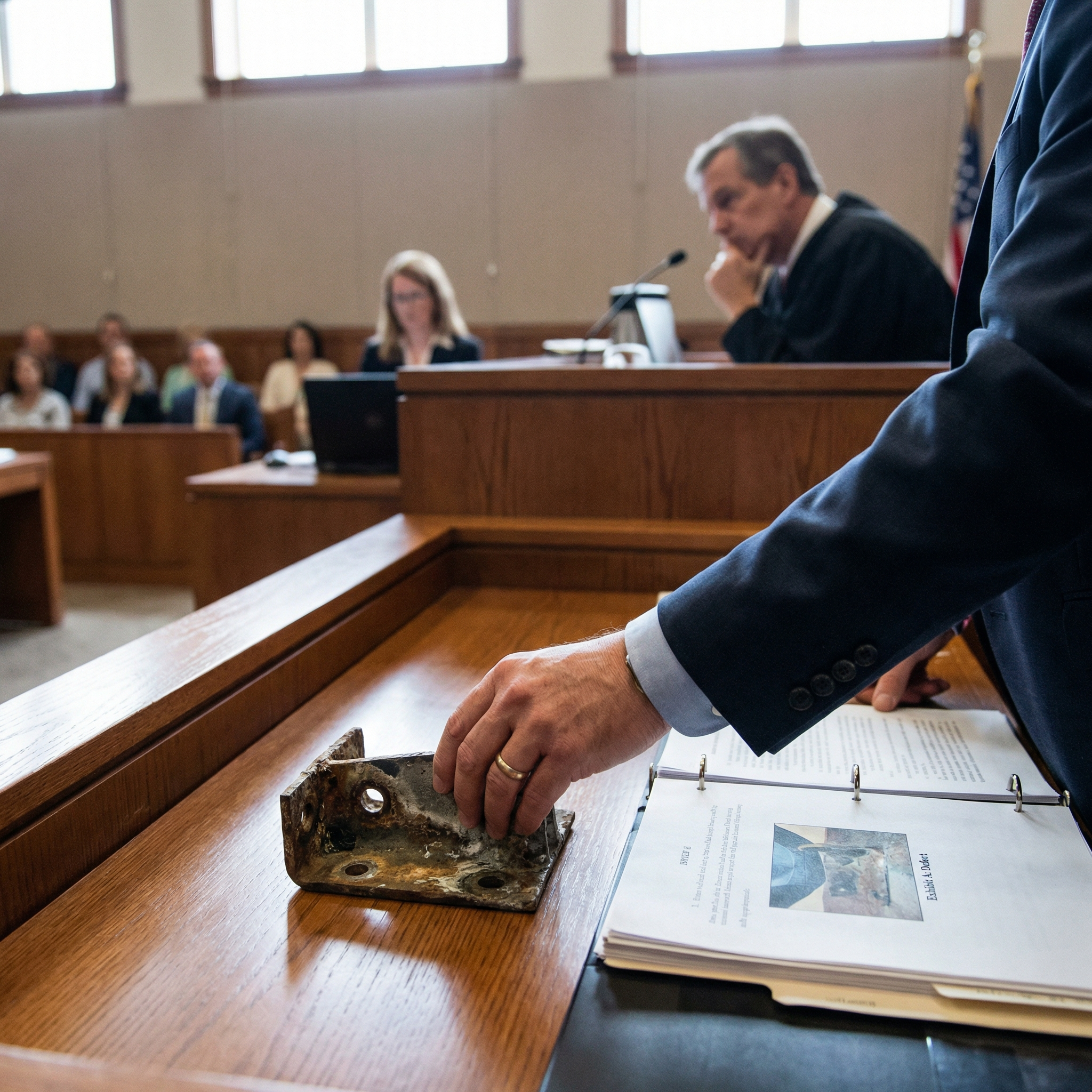
Effective experts also anticipate common questions and confusion points, addressing them before the defense can exploit them. They use visual aids such as timelines, diagrams, or simplified anatomy illustrations when allowed by the court, strengthening the narrative of the case. When cross-examined, they remain calm and focused on the underlying data, acknowledging limitations without retreating from well-supported opinions. Their testimony should ultimately leave the jury with a clear, medically grounded explanation of what went wrong and why it mattered. When that happens, the expert’s analysis becomes the backbone of the plaintiff’s malpractice claim.
Common Defense Attacks on Medical Experts
Defense teams often focus heavily on undermining the plaintiff’s expert witnesses because discrediting them can weaken the entire negligence theory. One frequent strategy is to challenge the expert’s qualifications, suggesting they are not truly comparable to the defendant in specialty or experience. Another approach is to portray the expert as a hired professional witness who spends more time testifying than treating patients. Defense attorneys may also highlight prior testimony in other cases to suggest bias or inconsistency. These tactics aim to make the jury doubt the reliability and neutrality of the plaintiff’s expert opinions.
Defense counsel further attacks the substance of expert testimony by questioning assumptions, pointing out gaps in the medical record, or introducing alternative explanations for the outcome. They may present their own experts who offer different interpretations of the same data, turning the case into a battle of competing narratives. Skilled plaintiff advocates prepare their experts for these lines of questioning, ensuring they can explain why their conclusions remain sound despite uncertainty. When an expert candidly acknowledges what is not known while firmly supporting what is clear, jurors are more likely to trust their analysis. Careful preparation helps the plaintiff’s expert withstand these challenges and maintain credibility in the courtroom.
Practical Steps Injured Patients Can Take Early
For injured patients, strategic action early in the process makes it easier for attorneys to secure strong expert support later. Promptly seeking copies of medical records preserves critical details that may fade from memory over time. Keeping a written timeline of symptoms, appointments, and conversations with providers can give experts valuable context. Patients should also track out-of-pocket expenses and changes in daily functioning to help experts understand the full impact of the injury. These practical steps turn lived experience into organized information that experts can analyze effectively.
Consulting an experienced personal injury attorney as soon as malpractice is suspected is equally important. Many jurisdictions require that a qualified expert review the case before it can even be filed, which takes time and planning. Attorneys evaluate whether the facts are likely to support expert opinions on both breach of the standard of care and causation. They then reach out to appropriate specialists and provide them with focused questions and complete records. When patients act quickly and work closely with counsel, they increase the likelihood that credible medical experts will be able to establish negligence and support a successful malpractice claim.