

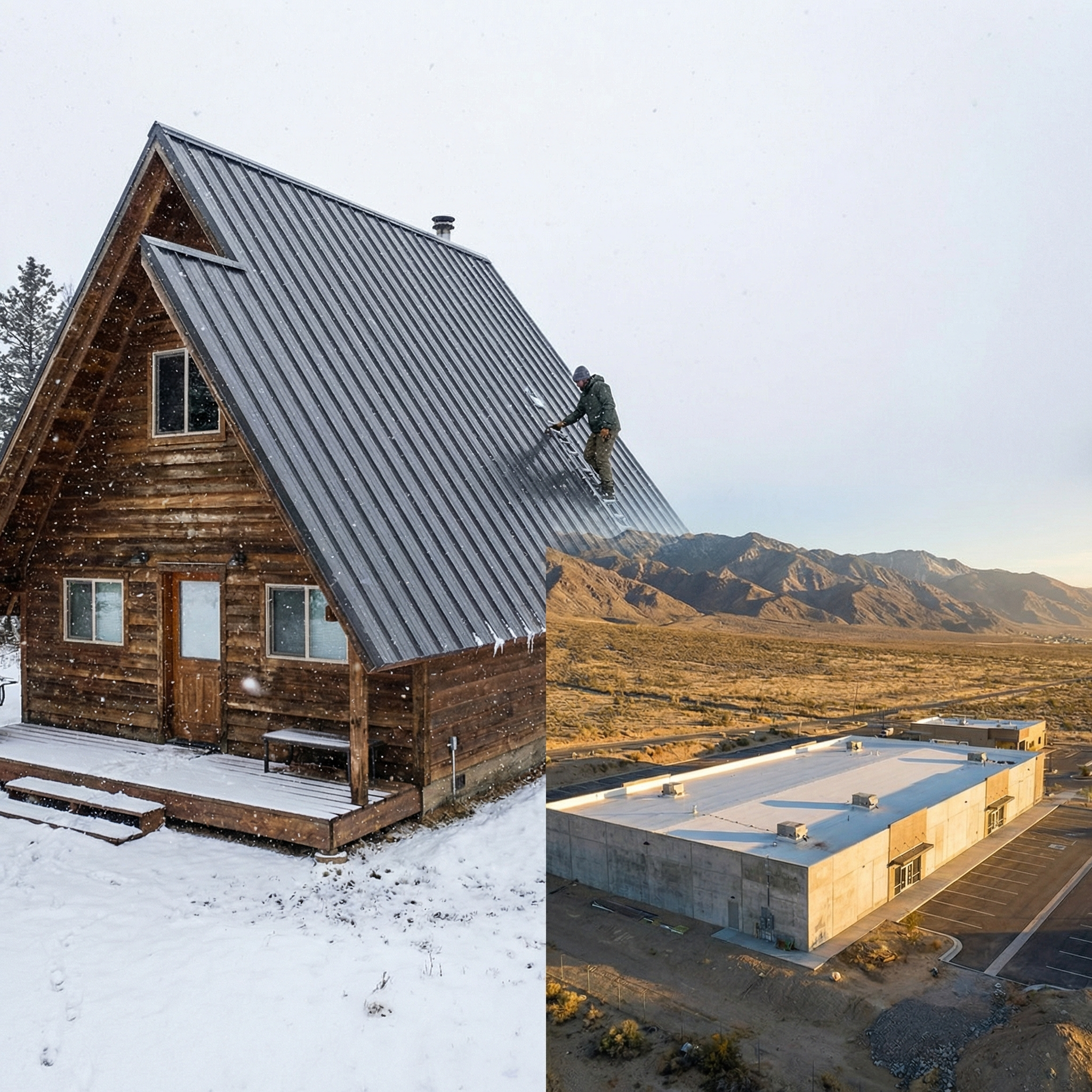
Introduction to Climate-Driven Roofing Decisions
Choosing the right roofing material isn’t just about aesthetics or cost; it’s deeply influenced by the local climate and prevailing weather conditions. Understanding these environmental factors helps homeowners and builders select materials that maximize durability, energy efficiency, and protection. This article explores the critical ways climate and weather patterns impact roofing choices and offers practical insights for informed decisions.
Impact of Temperature Extremes on Roofing Materials
Regions experiencing intense heat or severe cold require roofing materials designed to withstand temperature extremes. In hot climates, materials must tolerate high heat without warping or deteriorating quickly. Conversely, cold climates demand roofing that resists cracking and ice damage.
Materials commonly preferred in hot environments include:
- Clay and concrete tiles, known for their heat resistance and thermal mass properties
- Metal roofs with reflective coatings to deflect sunlight and reduce cooling costs
- Asphalt shingles with high solar reflectance ratings
In colder areas, options often include:
- Architectural shingles designed for freeze-thaw durability
- Slate roofs that resist cracking and ice damage
- Metal roofing that sheds snow efficiently preventing ice dams
Addressing Rainfall and Moisture Challenges
High rainfall and humidity levels can drastically affect roofing material longevity. Moisture infiltration can lead to mold, rot, and structural damage if the roofing system isn’t properly chosen and installed.
Effective roofing materials for wet climates tend to have strong water resistance and promote quick drying. These include:
- Metal roofs, which provide excellent waterproofing and minimize water absorption
- Slate and tile, both naturally water-resistant and able to withstand heavy rain
- High-quality asphalt shingles with robust waterproofing underlayments
Additionally, proper ventilation and installation techniques are critical in preventing moisture buildup under the roofing materials.
Wind Resistance and Storm Preparedness
In regions prone to hurricanes, tornadoes, or strong winds, roofing materials must be chosen for their ability to resist uplift and impact damage. The roof’s design and material can make a significant difference in storm durability.
Key characteristics of wind-resistant roofing materials include:
- Strong adhesion to roof deck to prevent blow-offs
- Impact resistance against debris carried by high winds
- Flexible materials that can absorb stress without cracking
Materials frequently selected for wind-prone areas include:
- Metal panels securely fastened with specialized clips
- Concrete tiles engineered with interlocking systems
- Architectural asphalt shingles rated for high wind speeds
Snow Load Considerations and Roofing Choices
Heavy snowfall creates a significant load on roofs, requiring materials and structures designed to bear weight and shed snow efficiently. Failure to consider snow loads can lead to structural damage or collapse.
Roofing materials that excel in snowy climates often:
- Have smooth surfaces that encourage snow to slide off
- Possess high compressive strength to support heavy snow accumulation
- Are resistant to freeze-thaw cycles that can cause material degradation
Common selections include metal roofing due to its slick surface and durability, as well as slate and tile which withstand heavy loads and harsh freeze conditions.
Solar Exposure and Energy Efficiency Impact
Regions with intense sun exposure require roofing materials that reflect solar radiation to keep indoor temperatures cooler and reduce energy consumption. The color, finish, and composition of roofing materials play crucial roles in energy efficiency.
Energy-conscious options include:
- Light-colored or reflective metal roofs that reduce heat absorption
- Cool roofing membranes designed to reflect infrared radiation
- Clay and concrete tiles with natural thermal mass properties
Incorporating these materials can significantly lower cooling costs and improve comfort in sunny climates.
Local Climate Influences on Maintenance and Longevity
Beyond initial selection, climate dictates the maintenance needs and lifespan of roofing materials. For example, humid climates may accelerate moss or algae growth requiring frequent cleaning, while dry, dusty environments might cause abrasive wear.
Homeowners should consider:
- How often materials need inspection and upkeep based on local weather
- The expected lifespan of materials under specific climate stresses
- Potential for weather-related damage like hail or UV degradation
Choosing materials suited to the local environment minimizes long-term costs and extends roof performance.
Conclusion
Climate and weather patterns profoundly influence the selection of roofing materials. Temperature extremes, moisture levels, wind forces, snow loads, solar exposure, and maintenance conditions all shape which materials perform best in a given region. By aligning roofing choices with these environmental factors, homeowners can ensure a durable, efficient, and weather-resilient roof that protects their investment for years to come.