

Understanding Urban Heat Islands and Their Impact
Urban heat islands (UHIs) occur when metropolitan areas experience higher temperatures than their rural surroundings. This phenomenon results from extensive concrete, asphalt, and other heat-absorbing surfaces combined with limited vegetation. The increased heat leads to higher energy consumption, poorer air quality, and negative health effects for city dwellers.
Mitigating UHIs is crucial for creating sustainable, livable urban environments. Among various strategies, cool roof technology has gained attention for its ability to reflect solar radiation and reduce surface temperatures effectively.
What Is Cool Roof Technology?
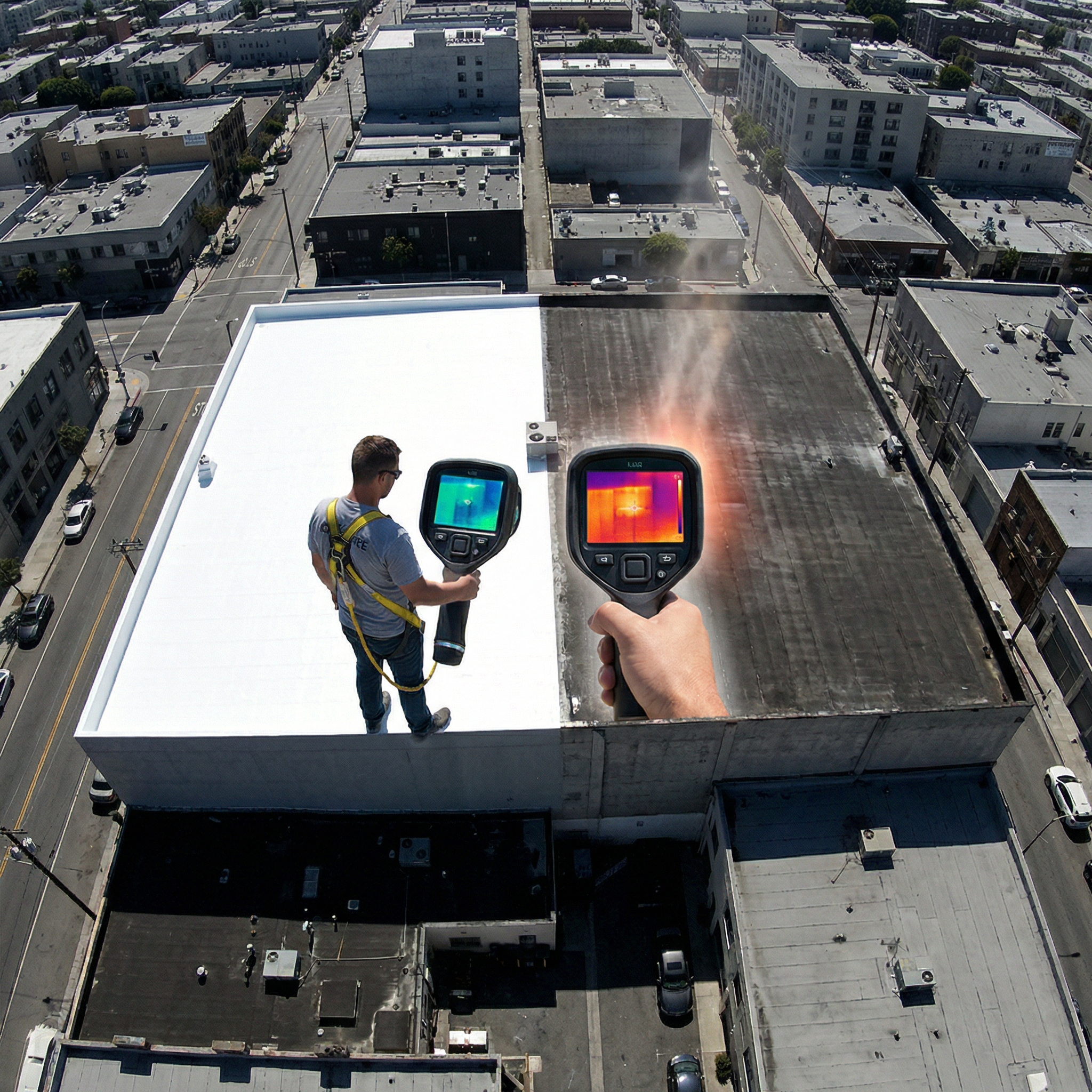
Cool roofs are designed with materials that reflect more sunlight and absorb less heat compared to conventional roofing. These roofs use reflective coatings, tiles, or membranes that have high solar reflectance (albedo) and high thermal emittance. This combination limits heat absorption and promotes faster heat dissipation.
Unlike traditional dark roofs that trap heat, cool roofs can lower rooftop temperatures by up to 30–40°F. This temperature reduction directly impacts the thermal conditions of the buildings underneath and the surrounding urban area.
Energy Savings and Indoor Comfort Benefits
One of the most immediate advantages of cool roofs is decreased cooling loads in buildings. By reflecting heat away, these roofs reduce the need for air conditioning during hot weather, leading to lower utility bills and energy demand.
This cooling effect also enhances occupant comfort, especially in structures without central air conditioning. Reduced indoor temperatures contribute to healthier living and working environments, minimizing heat-related illnesses.
- Lower energy consumption during peak summer months
- Reduced strain on electrical grids and power plants
- Enhanced comfort for residents and workers
Reducing Urban Heat Islands Through Surface Temperature Control
Cool roofs directly address the core of UHI by lowering surface temperatures on rooftops. Because rooftops cover large portions of urban landscapes, their temperature reduction can significantly cool the surrounding air.
This effect helps moderate the overall microclimate of cities, reducing the frequency and intensity of heat waves. Cooler urban environments also improve air quality by decreasing the formation of ground-level ozone and smog, which are exacerbated by high temperatures.
Environmental and Climate Change Mitigation Advantages
By decreasing energy use, cool roofs contribute to reducing greenhouse gas emissions associated with power generation. Lower emissions mean a smaller carbon footprint for buildings equipped with cool roofing technology.
Furthermore, the ability of cool roofs to mitigate UHIs supports broader climate adaptation efforts. Cooler urban areas can better withstand heat extremes, protecting vulnerable populations and infrastructure from climate-related stresses.
- Reduction in carbon dioxide and other harmful emissions
- Support for urban climate resilience strategies
- Promotion of sustainable city planning and design
Economic Benefits and Long-Term Cost Effectiveness
Although cool roof installation may have a higher upfront cost than standard roofing, the long-term economic advantages often outweigh initial expenses. Energy savings, extended roof lifespan, and potential incentives contribute to overall cost-effectiveness.
Cool roofs also reduce maintenance needs by limiting thermal expansion and contraction, which can cause material degradation. Property owners benefit from lower repair costs and increased asset durability.
Implementation Challenges and Best Practices
Despite their benefits, cool roofs face some challenges in adoption. These include aesthetic preferences, regional climate considerations, and the need for proper material selection to maximize effectiveness.
Successful cool roof projects consider local weather patterns, roof design, and building use. Combining cool roofs with other green infrastructure like green spaces and reflective pavements can amplify UHI mitigation efforts.
- Choosing suitable materials with proven reflectivity and durability
- Integrating cool roofs into holistic urban heat management plans
- Educating stakeholders on benefits and maintenance requirements