
Government Support as a Safety Net After Serious Injury
A catastrophic injury does more than cause pain; it can suddenly erase a family’s primary income. When work stops but rent, medical bills, and daily expenses continue, government assistance programs can be the difference between stability and crisis. For disabled individuals, these programs are designed to supplement income, not replace every dollar lost. In a personal injury case, they often bridge the gap while a claim or lawsuit moves through the system. When used strategically, they protect clients from financial freefall and give their legal team time to pursue full compensation.
Income Support After a Disabling Injury: The Big Picture
After a serious crash, fall, or medical event, many clients assume a lawsuit will immediately cover their lost paychecks. In reality, personal injury cases can take months or years to resolve, and temporary support becomes critical. Government assistance programs, including disability income and health coverage, are intended to stabilize disabled individuals while longer-term solutions are pursued. These benefits can work alongside a personal injury claim when they are properly disclosed and coordinated. A well-informed legal strategy treats public benefits as one piece of a larger financial recovery plan.
It is important to distinguish government benefits from other income sources like workers’ compensation or private disability insurance. Each program has its own eligibility rules, payment formulas, and reporting requirements, and mixing them up can cost a client money. For example, some benefits are based on past work history, while others depend on current financial need. Some may be affected by a settlement or verdict, and others are not reduced at all. A personal injury lawyer who understands these differences can help clients avoid avoidable benefit cuts or overpayments.
Social Security Disability Insurance for Workers Hurt in Accidents
Social Security Disability Insurance, often called SSDI, is a key lifeline for injured workers with a solid earnings record. To qualify, a person typically must have worked and paid Social Security taxes long enough and recently enough before the disability. The Social Security Administration then examines whether the medical condition prevents substantial gainful work for at least a year or is expected to result in death. For many injured clients, SSDI can provide monthly income while their lawsuit is pending. These payments help cover essentials so that clients are not forced into low settlements just to survive.
SSDI can interact with other income sources in ways that matter for legal strategy. Some long-term disability policies offset SSDI, reducing private payments when federal benefits begin. While a personal injury settlement usually does not directly reduce SSDI, any wages a client returns to earn could affect ongoing eligibility. Accurate medical records and clear testimony, often assembled by the injury lawyer, support both the SSDI claim and the civil case. Coordinating the timing and content of medical evidence helps avoid inconsistencies that might harm either claim.
Supplemental Security Income for Clients With Limited Resources
Supplemental Security Income, or SSI, is different from SSDI because it is based on financial need rather than work history. It provides modest monthly payments to disabled individuals who have very limited income and few countable assets. Many severely injured people who were working in low-wage or unstable jobs before an accident end up qualifying for SSI. These payments can cover basic necessities when there is no savings cushion to rely on. For clients in this situation, every dollar of additional support matters.
The challenge is that SSI is extremely sensitive to changes in income and assets, including personal injury recoveries. A one-time settlement that lands in a client’s bank account can push them over SSI’s resource limits, causing benefits to stop. To address this, lawyers sometimes work with benefits planners to consider tools such as special needs trusts or careful structuring of settlement funds. The goal is to preserve as much SSI eligibility as possible while still securing full compensation for the injury. Honest reporting and advance planning are crucial to avoid penalties or repayment demands.
Health Coverage Programs That Protect Injury Settlements
For disabled clients, health coverage through Medicare or Medicaid often matters just as much as monthly cash benefits. Ongoing medical treatment, therapy, medications, and medical equipment can quickly consume a large portion of any settlement if insurance is not in place. Medicare generally serves individuals who qualify for SSDI after a waiting period, while Medicaid typically covers those with low income and limited resources. Both programs can step in to pay for care related to the injury and other health issues. This support allows more of the personal injury recovery to be used for long-term needs instead of immediate medical bills.
However, Medicare and Medicaid also have rights when they have paid for treatment connected to an injury caused by someone else. They may require reimbursement from a settlement or verdict, and failure to address these claims can endanger ongoing coverage. Personal injury lawyers must identify which agency paid which bills and work to resolve any liens or repayment obligations. In some cases, planning for future medical needs through arrangements such as Medicare-compliant allocations may be appropriate. Proactive coordination protects both the client’s health coverage and the net funds they keep from their case.
Additional Government Programs That Help Pay the Bills
Beyond disability income and health insurance, several other public programs can supplement a disabled client’s strained budget. Nutrition assistance, housing subsidies, utility support, and state or local disability programs can all reduce monthly expenses. When income drops suddenly after an injury, even a modest benefit can prevent missed rent, food insecurity, or utility shutoffs. These stabilizing supports help clients follow medical advice and stay engaged in their legal case. In many communities, legal teams can point clients toward local agencies that manage these programs.
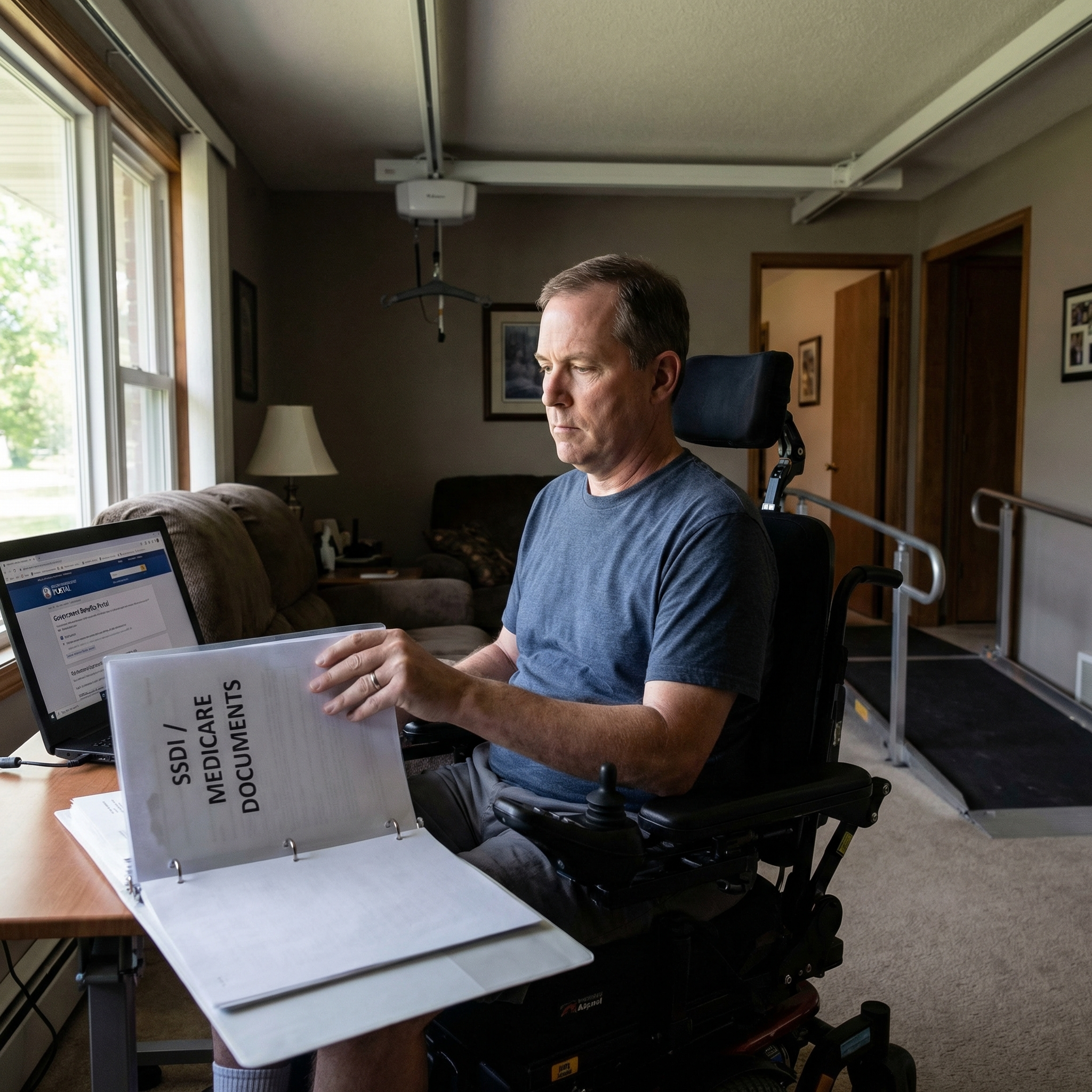
Documentation from a personal injury case can often strengthen an application for these forms of assistance. Medical records, functional capacity evaluations, and wage loss documentation all help demonstrate the impact of an injury on daily life. Lawyers can encourage clients to keep organized copies of key documents to share with benefit caseworkers. Clear communication about pending litigation and potential settlements helps agencies correctly calculate eligibility. When everyone has accurate information, clients are less likely to face unpleasant surprises or sudden benefit cuts.
Legal Strategies That Preserve Both Compensation and Government Benefits
Coordinating government benefits with a personal injury recovery requires careful planning, not guesswork. Decisions about settlement timing, payment structure, and how funds are held can all affect disability income or health coverage. In some cases, establishing a trust or other protective arrangement preserves eligibility for means-tested programs like SSI or Medicaid. In others, the focus may be on documenting ongoing disability for SSDI while still exploring future work options. Each client’s situation is unique, and a one-size-fits-all approach rarely works.
A proactive personal injury lawyer will ask detailed questions about every source of public assistance a client receives. They may bring in a benefits specialist or financial professional to help design a plan that fits the client’s goals. Together, they work to avoid benefit overpayments, penalties, or unexpected terminations that can derail recovery. By integrating government assistance into the broader legal strategy, they turn these programs into true income lifelines rather than ticking time bombs. The result is a more secure future for disabled clients and a recovery that genuinely supports long-term independence.