
When an Injury Changes Every Day of the Rest of Your Life
Catastrophic injuries do not end when you leave the hospital; they reshape every hour of every day that follows. Spinal cord damage, traumatic brain injuries, severe burns, and amputations often mean ongoing medical care, assistance with daily tasks, and constant monitoring. For families, the emotional shock is quickly followed by questions about how to pay for what may be a lifetime of treatment and support. Personal injury law becomes the tool for turning those needs into a concrete claim for compensation. Done correctly, your case is not just about the past accident, but about funding the decades of life that still lie ahead.
Many people assume that a single settlement check will automatically take care of everything their loved one needs. Without careful planning, that money can disappear long before the medical bills stop arriving. A strong catastrophic injury case anticipates future surgeries, in-home care, medications, equipment replacements, and even inflation. Your legal team’s job is to present these lifelong needs in a way that insurers and juries cannot ignore. That is where detailed life care evidence and forward-looking legal strategies become absolutely critical.
Defining Catastrophic Injury in a Legal Context
In everyday language, a catastrophic injury is one that turns life upside down. Legally, it usually refers to damage that causes permanent or long-term disability, major functional loss, or the need for ongoing medical supervision. Examples include paralysis, significant brain damage, loss of limb, vision or hearing loss, and severe disfigurement. These injuries often prevent a person from returning to their prior work or living independently without assistance. Because the impact is so profound, courts recognize that compensation must consider an entire lifetime, not just the initial hospitalization.
Classifying an injury as catastrophic is not just a label; it directly influences the value and structure of your claim. It affects what kinds of expert witnesses your attorney will hire and how they document needs over decades. It also shapes negotiations with insurance companies that may try to treat your situation like a typical injury claim. Your lawyer’s ability to clearly articulate why an injury is catastrophic can set the stage for obtaining higher policy limits, additional coverage sources, or alternative funding options. Clarity on this point is the foundation for every other decision in the case.
Lifelong Medical Care and Daily Support Needs
Catastrophic injuries typically require layers of medical care that change as the person ages. Early on, care may focus on surgeries, rehabilitation, and stabilizing life-threatening complications. Later, the focus often shifts to preventing secondary problems like infections, pressure sores, contractures, or cognitive decline. Mobility equipment may need to be replaced every few years, and new therapies or technologies may become available over time. Each of these needs has a price tag that must be accounted for in the legal claim.
Beyond formal medical treatment, many people with catastrophic injuries need help with the tasks most people perform without thinking. That can include dressing, bathing, transferring from bed to wheelchair, transportation, and household chores. Families often provide this care at first, but burnout, aging parents, and changing family circumstances make long-term reliance on relatives risky. A well-prepared case accounts for paid attendant care, respite services, and home modifications to improve safety and independence. Identifying and valuing these everyday needs is just as important as pricing surgeries and hospital stays.
Building a Life Care Plan That Stands Up in Court
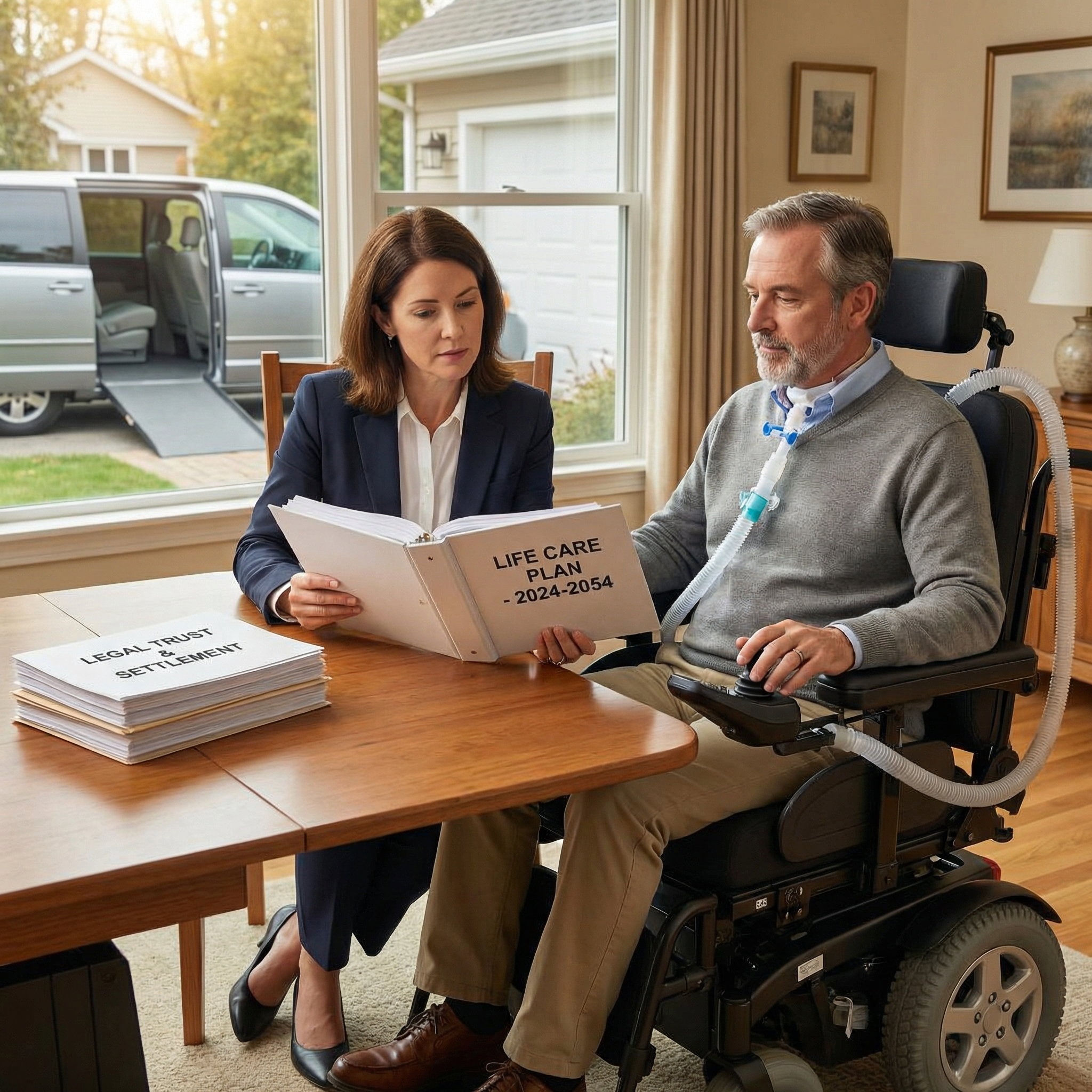
One of the most powerful tools in a catastrophic injury case is a formal life care plan. This is a comprehensive document prepared by a qualified expert, often a nurse, rehabilitation specialist, or physician with specialized training. The plan describes every medical and support need the injured person is expected to have for the rest of their life. It includes projected costs for therapies, medications, equipment, home health care, transportation, and environmental modifications. Courts and insurers rely on these plans to understand the scope and cost of lifelong care.
A strong life care plan is built on detailed medical records, input from treating physicians, and direct evaluation of the injured person’s daily abilities. It should explain not only today’s needs, but how those needs may grow or change over time. For example, a plan may address how a wheelchair user’s risk of shoulder injuries increases with age, requiring future surgeries or equipment upgrades. Your attorney will work closely with the life care planner to ensure that every reasonable future scenario has been considered. The goal is to create a road map that is medically credible, financially realistic, and legally persuasive.
Proving Future Medical Costs to Insurance Companies and Juries
Future damages are often the largest component of a catastrophic injury case, yet they are also the most hotly contested. Insurers may argue that requested care is excessive, speculative, or unnecessary. To overcome this resistance, your legal team must connect each line item in the life care plan to clear medical evidence and expert testimony. Treating doctors may explain why certain therapies are medically required for life, while economists project the future cost of those services. This coordinated evidence turns abstract numbers into a compelling story about what it will take to keep the injured person safe and stable.
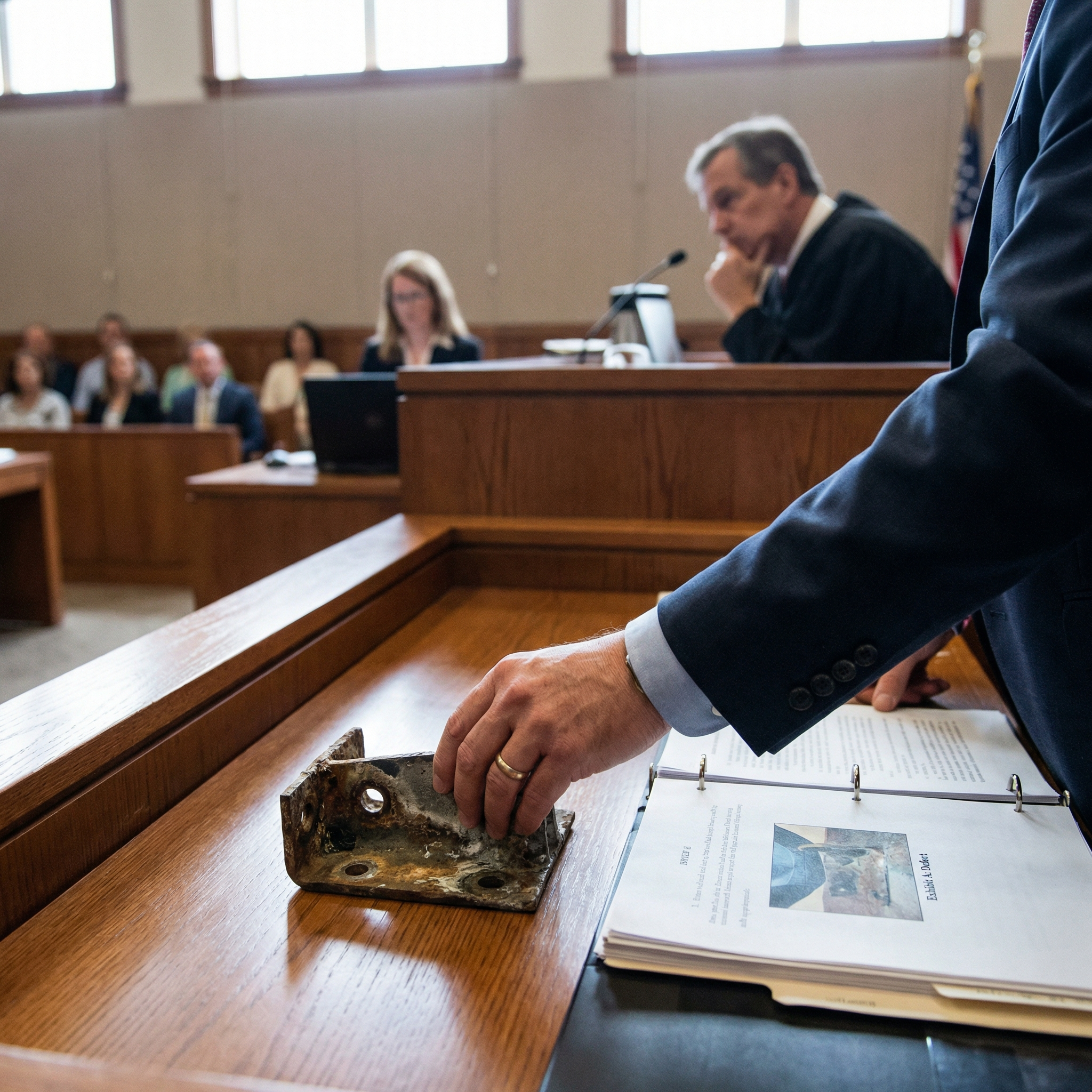
Jurors and adjusters may not have experience with long-term disability, so they need help visualizing the future. Demonstrative exhibits, such as timelines, cost charts, or day-in-the-life presentations, can bring the life care plan to life. Your attorney may highlight how quickly uncovered expenses can drain savings, or what happens when critical care is skipped because money runs out. This makes it clear that underfunding the claim is not a minor inconvenience; it is a direct threat to the person’s health and dignity. Presenting future care in human, relatable terms is essential to securing full compensation.
Structuring Settlements to Last a Lifetime
Winning or settling a catastrophic injury case is only part of the challenge; the money must last as long as the needs do. Large lump-sum payments can be tempting, but they also create risks of overspending, poor investments, or pressure from others. Your attorney can work with qualified professionals to explore options such as structured settlements, which pay out over time, or court-approved arrangements for minors and individuals who cannot manage funds alone. These tools help align the timing of payments with the timing of future expenses like equipment replacement or planned surgeries. Thoughtful structure can provide stability and predictability that a single check cannot.
In some cases, court oversight or appointment of a guardian or conservator may be necessary to protect a vulnerable person’s settlement funds. This is especially common when catastrophic injuries involve significant cognitive impairment. Your legal team will explain the tradeoffs of different approaches, including how they affect control, flexibility, and access to funds for emergencies. They will also consider tax implications and the impact on eligibility for public benefits. The central goal is always the same: to ensure that compensation continues to support the injured person’s care decades into the future.
Protecting Access to Public Benefits While Pursuing Compensation
Many people with catastrophic injuries rely on programs like Medicaid or Supplemental Security Income to cover ongoing medical and living expenses. A large personal injury recovery can unintentionally disqualify them from these benefits if it is not structured correctly. To avoid this outcome, attorneys often coordinate with benefits planning professionals to design solutions that preserve eligibility. This may involve creating special arrangements that hold settlement funds for the person’s benefit without counting them as disqualifying assets. Done properly, the injured person can use both public benefits and settlement funds to cover different aspects of care.
This type of planning requires careful timing, precise documentation, and strict compliance with program rules. Your attorney will look at current benefits, the likelihood of future benefit applications, and the interaction between various programs. They may recommend court approval of certain arrangements to provide additional protection. Failing to address these issues can result in sudden loss of coverage for essential services, leaving families scrambling to replace them out-of-pocket. Integrating public benefits planning into the legal strategy helps ensure that no crucial support system is accidentally disrupted.
Steps to Take Early After a Catastrophic Injury
The decisions made in the weeks and months after a catastrophic injury can significantly shape the long-term legal and financial outcome. Families should gather all medical records, imaging, and billing statements from every provider involved in the initial treatment. They should keep a journal documenting symptoms, limitations, and the kind of assistance the injured person needs each day. Photographs of equipment, home modifications, and visible injuries can also become important pieces of evidence. Reaching out to a personal injury attorney with experience in catastrophic cases as early as possible allows crucial evidence to be preserved before it disappears.
Early legal involvement also helps coordinate communication among doctors, therapists, case managers, and insurance representatives. Your attorney can advise what forms to sign, what statements to avoid, and how to handle requests from insurers. They can begin identifying appropriate experts, including life care planners and economists, while medical treatment is still unfolding. This proactive approach ensures that future care needs are documented from the start rather than pieced together later. The sooner a comprehensive strategy is in place, the better the chances of securing the lifelong resources the injured person will require.