

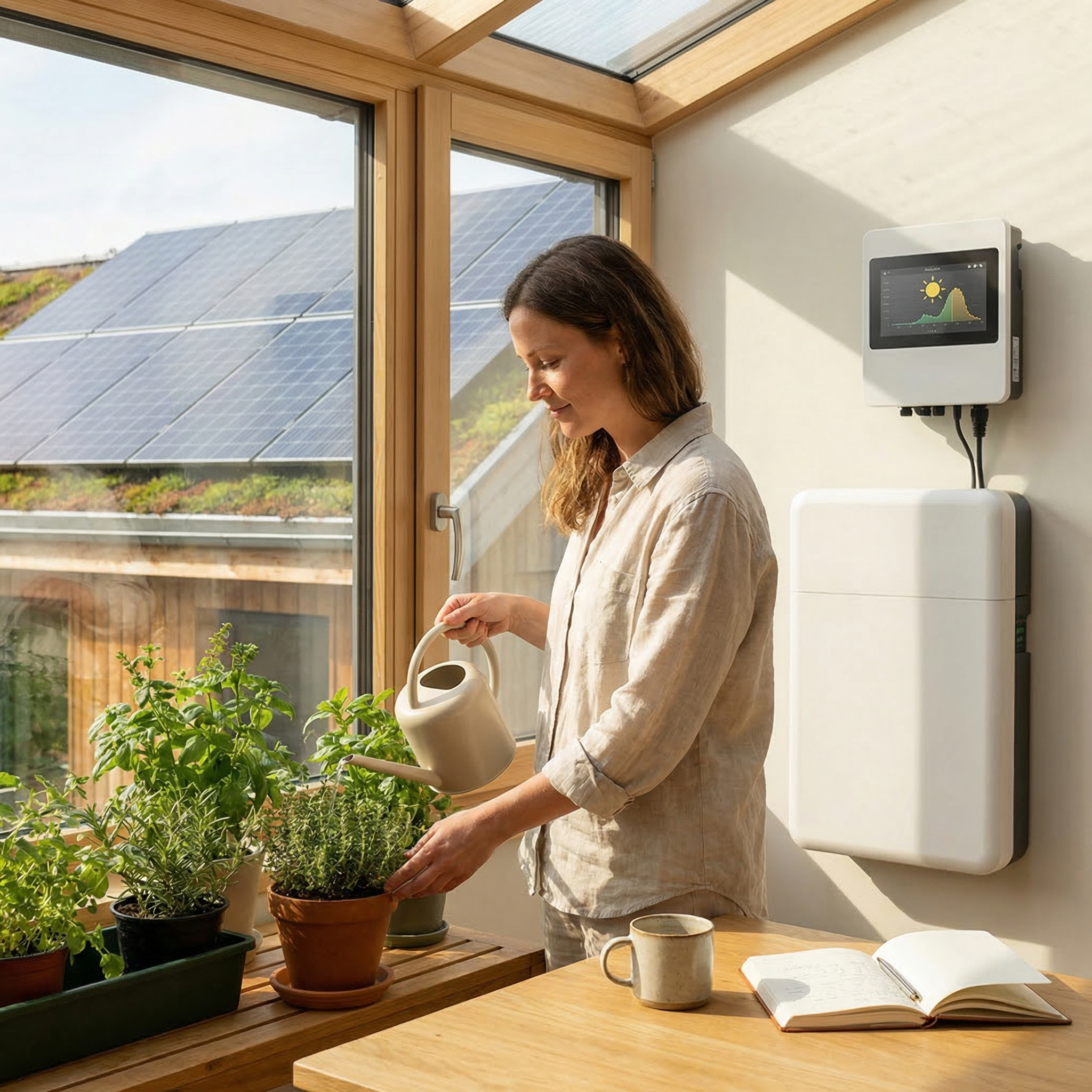
Living Gently With the Sun Starts at Home
Solar energy is more than a technology decision; it can become a daily reminder of your values and your relationship with the planet. When your lights, devices, and comforts are tied to sunshine, every switch and socket becomes a chance to be more intentional. Instead of thinking only in terms of kilowatt-hours, you can start noticing patterns of light, weather, and your own behavior. This shift turns your home into a quiet teacher, showing how much energy you really use and when. By framing solar power as part of a mindful lifestyle, you connect clean electricity to inner calm and lower-impact choices.
Seeing Solar as a Daily Mindfulness Practice
A mindful solar lifestyle begins with awareness of where your energy comes from and how it flows through your space. If you have rooftop panels, simply pausing to look at them each morning can ground you in gratitude and responsibility. If you use community solar or a green power program, you can visualize the solar farm that feeds your home whenever you flip a switch. This awareness softens the old habit of treating electricity as invisible and unlimited. Instead, you start treating each watt as a shared resource that deserves respect.
To reinforce this mindset, you can build small rituals that connect your senses to the sun powering your home. These do not need to be elaborate, and they fit easily into busy schedules. A few examples include:
- Taking one deep breath before turning on any major appliance, silently noting, “This is solar energy at work.”
- Stepping outside for thirty seconds at midday to notice the angle and warmth of the sun that is charging your system.
- Ending the day by checking your solar app or meter and thanking the sunlight that supported your activities.
Designing Morning and Evening Rituals Around Solar Energy
Morning is a natural time to align your routines with rising solar production. As the sun comes up and your panels begin generating, you can schedule energy-hungry tasks like running a dishwasher or washing machine. Pairing these chores with existing habits, such as brewing coffee or stretching, turns them into conscious choices instead of background noise. You are no longer just “doing laundry”; you are choosing to let the sun handle the heavy lifting. This pairing makes the connection between lifestyle comfort and renewable power feel tangible and satisfying.
Evening rituals can acknowledge that solar production is winding down and invite a gentler relationship with light and devices. As daylight fades, dimming indoor lighting or switching to warm, low-wattage lamps can calm your nervous system while easing demand on your battery or the grid. Reducing screen brightness or setting a time to unplug non-essential electronics sends a signal that the day’s active energy cycle is closing. These small cues help your body and household shift from constant consumption to restful restoration. Over time, this pattern can improve sleep, reduce stress, and lower your overall energy footprint.
Mindful Consumption: Matching Activities to Solar Production
One powerful mindfulness practice is matching your activities to the rhythm of your solar production curve. Many solar monitoring apps show real-time or daily graphs of how much energy your system generates, and these graphs can guide your schedule. Instead of running everything at night, you might move baking, vacuuming, or electric vehicle charging into the sunniest hours. This does not require perfection; even shifting one or two tasks makes a meaningful difference. Each adjustment trains your mind to ask, “Is this the best time to use this energy?”
To make this easier, you can create a simple mental map of your home’s typical solar day. Start by observing your system for a week and noting peak production times in the morning and afternoon. Then, gently align certain recurring activities with those windows. For example, you might consistently blend smoothies or use an induction cooktop during late-morning sunshine, or schedule a weekly linen wash when your panels are strongest. These patterns turn clean energy data into lived, mindful habits that are easy to maintain.
Community and Shared Spaces Powered by the Sun
Mindful solar living extends beyond your individual home into the spaces you share with others. If your building uses a shared solar array or you participate in a community solar program, you are part of a small ecosystem of neighbors powered by the same sunlight. Simply remembering this connection can change how you use common-area lighting, laundry rooms, or electric outlets. Instead of taking these conveniences for granted, you can treat them as shared gifts that everyone helps sustain. This mindset often leads to quieter halls, lights turned off after use, and deeper respect for building guidelines.
You can also bring solar awareness into neighborhood gatherings and routines in gentle, inclusive ways. Without lecturing, you might suggest holding daytime meetups at a solar-powered pavilion or charging devices at a shared solar station during events. When people experience comfortable, well-lit spaces that they know are sun-powered, it normalizes renewable energy as part of everyday community life. These simple experiences can inspire curious questions, new sign-ups for solar programs, and greater collective care for local resources. Over time, your personal mindfulness practice helps nurture a culture that values clean power for everyone.
Low-Impact Tech Choices That Pair Well With Solar
Solar energy use becomes even more mindful when you pair it with devices designed for efficiency and longevity. Choosing appliances with high efficiency ratings means each beam of sunlight stretches further, covering more of your needs with the same array. Opting for durable products that can be repaired instead of frequently replaced reduces both material waste and manufacturing emissions. This approach reframes shopping as an act of alignment with your solar values rather than quick convenience. Every thoughtful purchase becomes another way to respect the energy that powers your life.
Portable solar gear can also support a calmer, lower-impact routine away from home. Compact solar chargers for phones, lanterns, or small fans encourage you to plan ahead and rely less on random outlets. Bringing a solar battery to the park, beach, or campsite invites you to spend longer, more present time outdoors without hunting for plugs. When you know that your entertainment, lighting, or work devices are powered by the same sun on your skin, screens feel a little less disconnected. This continuity reinforces the idea that renewable energy is not confined to your roof but can travel with you as a companion.
Tracking, Gratitude, and Reflection on Solar Impact
Tracking your solar performance can be a mindful reflection tool rather than just a technical dashboard. Once a week, you might sit down with your monitoring app, breathe slowly, and notice how clouds, seasons, and your own behaviors shape the graph. Instead of chasing perfect numbers, you can appreciate the steady partnership between your system and the sky. On bright weeks, you might feel gratitude for abundant clean power; on dimmer weeks, you can reflect on resilience and flexibility. This perspective keeps you engaged without turning solar into another source of stress or competition.
To deepen this reflection, consider pairing your solar check-in with a brief journal entry. Write a few lines about how you used energy more thoughtfully, what worked well, and what you want to adjust. You might note moments when you chose to delay a task until peak sun or decided to turn something off entirely. Over months, these notes reveal meaningful patterns of growth in both environmental impact and personal awareness. In this way, solar energy becomes a quiet teacher, supporting not only a cleaner grid but also a more grounded and intentional way of living.