
Safe Power Tools, Safer Lives: A Legal View From The Jobsite
Power tools keep construction projects moving, but a single unsafe moment can change a worker’s life forever. From saws and nail guns to grinders and drills, these tools multiply force and speed, which means mistakes can cause catastrophic harm. Safe handling is not only about good habits or following company rules; it is also about protecting your legal rights if something goes wrong. When workers, supervisors, and owners appreciate how power tool safety connects to personal injury law, they are more likely to take precautions seriously. That mindset prevents injuries, and it also creates cleaner, stronger legal claims when preventable accidents still occur.
Power Tool Hazards That Often Lead To Injury Lawsuits
Every type of power tool carries specific risks that your attorney will examine closely after a construction injury. Saws can cause amputations and deep lacerations, nail guns can fire projectiles across a site, and grinders can send shards of metal toward unprotected eyes. Electric tools may shock or electrocute workers if cords are damaged or ground fault protection is missing. Tools that create dust and vibration can also contribute to long-term conditions affecting lungs, nerves, and circulation. When these hazards are not controlled, the legal question becomes whether someone failed to act reasonably under the circumstances.
In many construction injury cases, the tool itself is not the only problem; it is the combination of a powerful device and an unsafe environment. Crowded work areas, poor lighting, and rushing to meet deadlines all increase the likelihood of mistakes. A lawyer will ask whether housekeeping was adequate, whether walkways were clear, and whether other trades were working dangerously close. These details help determine if a general contractor, subcontractor, or site owner contributed to the hazard. Each negligent party identified can become a potential source of compensation beyond basic workers’ compensation benefits.
Training And Supervision: Where Employers Create Legal Exposure
Safe handling of power tools begins with thorough training, and lack of instruction is a frequent theme in construction injury cases. Employers should teach workers how to start, stop, and secure each tool, and when a device is unsafe to use. Training should also cover safe angles, proper body positioning, and how to avoid kickback or recoil that can cause sudden loss of control. When a worker is handed a powerful tool and told to learn on the job, that shortcut may later serve as evidence of negligence. Injury attorneys often request training records and safety meeting logs to see whether the company invested in preventing exactly the type of harm that occurred.
Supervision is the next legal layer after initial training, and it matters just as much in the courtroom as it does on the jobsite. Foremen and supervisors should correct unsafe practices, enforce lockout procedures, and stop work when conditions are too dangerous. If leadership looks the other way while workers defeat guards or work without eye protection, that tolerance can create liability. During a lawsuit, witness statements about warnings that were ignored or shortcuts that were encouraged can reveal a culture of indifference. A pattern of unsafe supervision makes it far easier for an injured worker’s lawyer to prove that the company failed in its duty of care.
Guards, Maintenance, And Lockout: Equipment Safety As Evidence
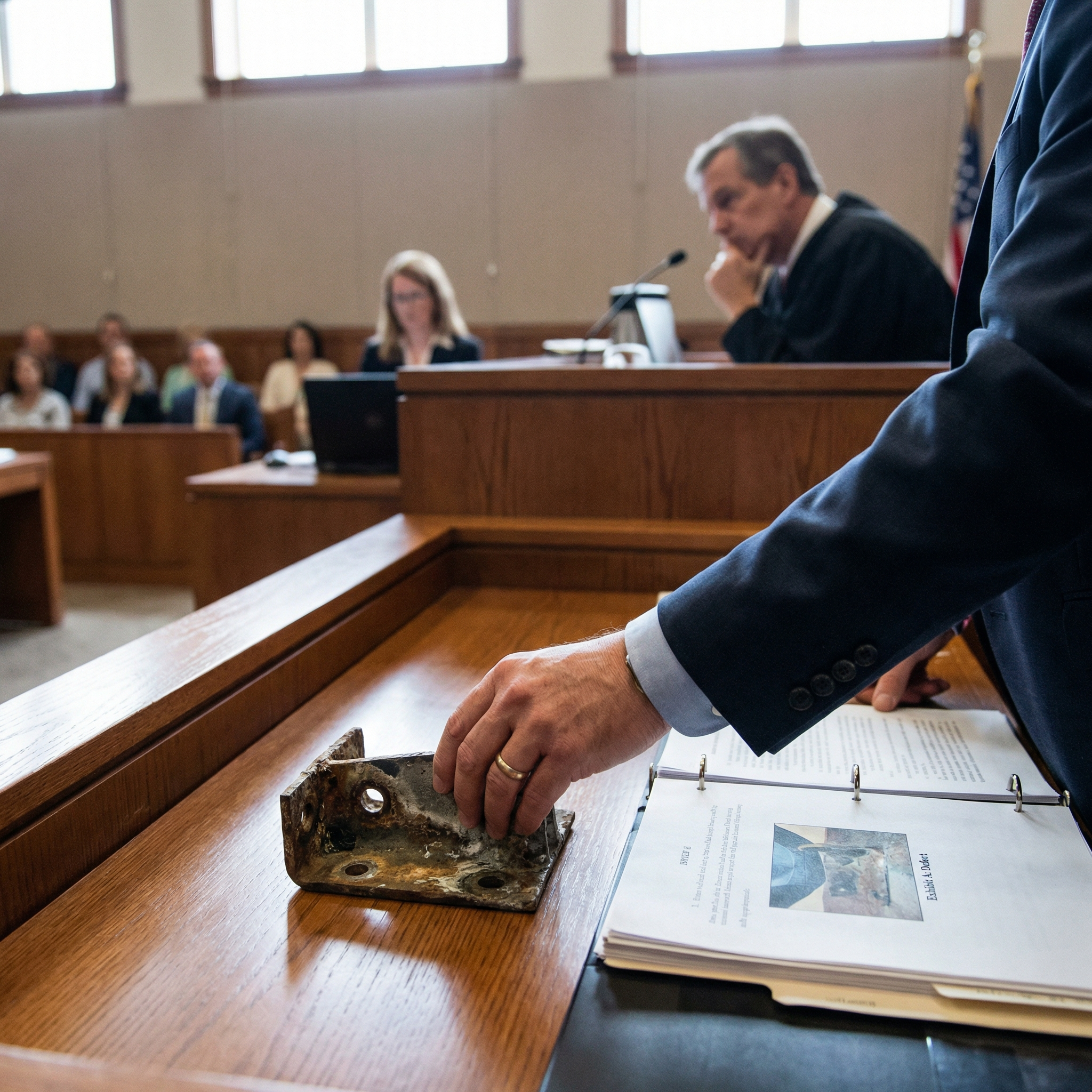
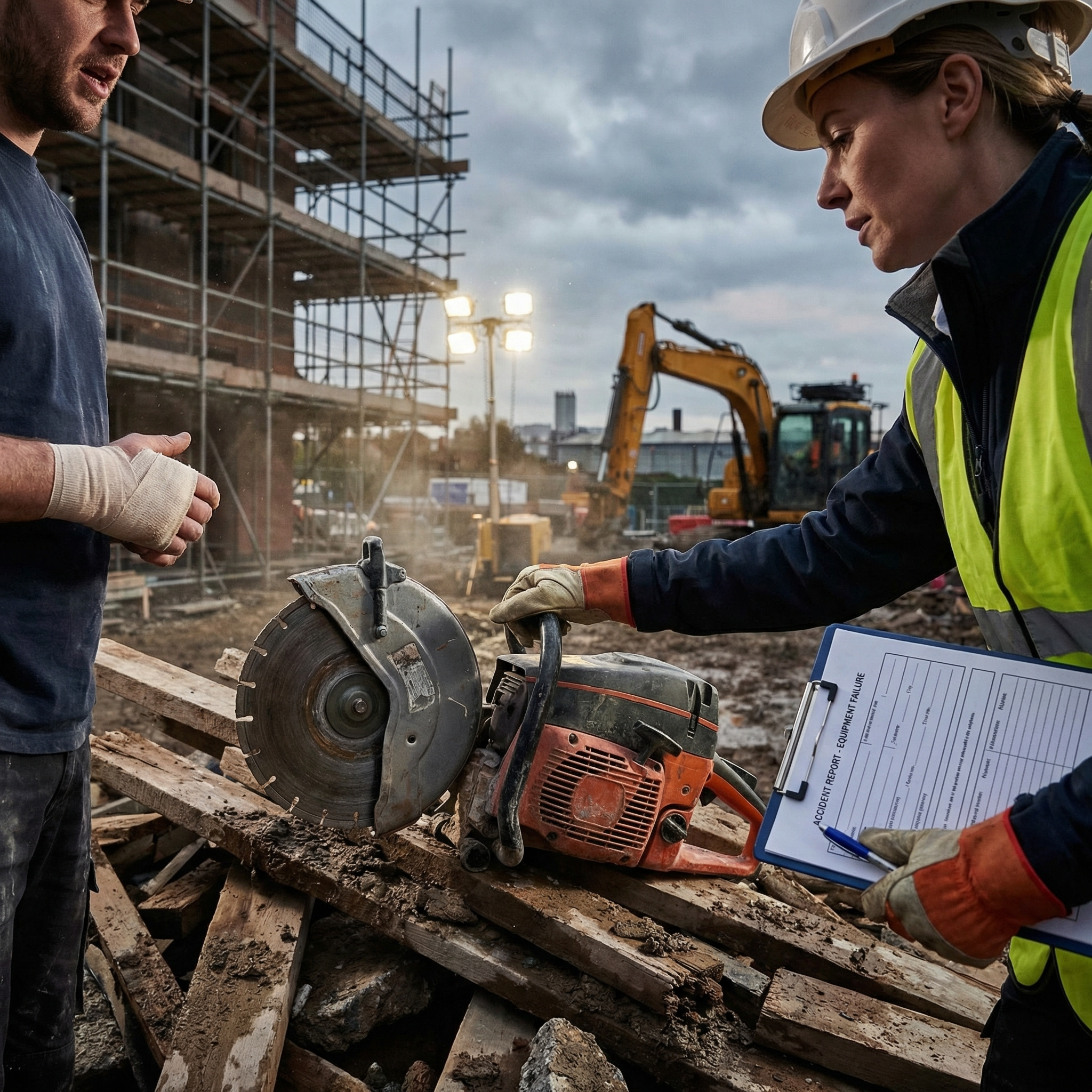
Physical safety features on power tools often become central exhibits in a construction injury case. Guards, dead-man switches, and anti-kickback devices exist precisely because tool manufacturers know the risks. When guards are removed, taped open, or never installed, that alteration can point to negligence by an employer, subcontractor, or equipment rental company. Poor maintenance, such as dull blades, loose parts, or frayed cords, can also make tools uncontrollable or unpredictable. A lawyer will want to inspect the actual tool, not just photos, because its condition may speak louder than any testimony.
Lockout and tagout procedures matter whenever equipment is being serviced, cleaned, or adjusted. Workers should be able to rely on the rule that a tool will not suddenly energize while they are working on it. If a coworker or supervisor violates lockout procedures and someone is injured, that failure can support a strong negligence claim. Attorneys frequently examine maintenance records, service tags, and inspection reports to determine whether the company followed its own policies. Documented neglect in these areas helps show that the incident was not a freak accident, but the predictable result of ignoring known risks.
Personal Protective Equipment And Arguments About Fault
Goggles, gloves, hearing protection, and proper footwear do not remove the need for safe handling, but they do reduce the severity of injuries when something fails. In legal disputes, however, insurance companies often focus heavily on whether an injured worker used this equipment. They may argue that a worker’s failure to wear eye protection or cut-resistant gloves means the worker is partly to blame. Personal injury attorneys counter that argument by showing that the main cause of harm was an unsafe tool, poor supervision, or missing guards. Even if a worker made a mistake, many states allow compensation to be reduced rather than eliminated when multiple parties share fault.
Employers also have responsibilities related to personal protective equipment that influence liability. They should provide gear that fits, replace it when damaged, and make its use a non-negotiable rule. If a company never supplies proper equipment, or if supervisors ignore repeated violations, that pattern can outweigh claims about individual worker carelessness. An attorney may compare written safety policies with what actually happened on the site to expose gaps between paper and practice. Those gaps often become powerful evidence that the employer’s failures were the real driver of the injury.
Documenting Unsafe Power Tool Practices After An Accident
After a serious power tool injury, the priority is always medical care, but documentation should begin as soon as it is safe. Reporting the incident immediately helps create a timeline and prevents others from quietly fixing or discarding the dangerous tool. Photos of the equipment, the work area, and any missing guards or warning labels can become critical pieces of evidence. Names and contact information for coworkers who saw what happened should be gathered before memories fade or people move to other jobs. An experienced personal injury lawyer can guide families in preserving this information without interfering with medical treatment.
Medical records also play a key role in connecting the unsafe practice to the specific injuries suffered. Emergency room notes, imaging results, surgery reports, and physical therapy documentation all show how the incident changed a worker’s health and abilities. Keeping copies of work restrictions and disability slips builds a clear picture of lost earning capacity. Attorneys may also recommend that clients keep a simple journal describing pain levels, limitations, and missed life activities. All of this documentation helps translate a moment of unsafe tool use into a fully supported legal claim for compensation.
When To Call A Construction Injury Lawyer After A Power Tool Incident
Many injured workers assume that filing a workers’ compensation claim is their only option, but power tool accidents often involve additional legal rights. If a defective tool, careless subcontractor, or negligent property owner contributed to the harm, a separate personal injury claim may be available. These third-party claims can cover pain and suffering, full wage loss, and future medical needs in ways workers’ compensation cannot. Speaking with a construction injury lawyer early helps identify all possible sources of recovery before deadlines pass. Early legal help is especially important when companies begin investigating quickly and shaping the narrative to minimize their own responsibility.
During an initial consultation, a lawyer will review how the tool was selected, who maintained it, and what safety rules applied to the job. They may request inspection reports, purchase records, and site safety plans to see whether shortcuts were taken. If the case appears strong, the attorney can involve experts in construction safety or engineering to analyze the tool and jobsite conditions. These professionals can explain to a jury exactly which safety steps were skipped and how those decisions led to the injury. That combination of technical detail and legal strategy gives injured workers a far better chance of receiving fair compensation.
Legal Accountability As A Force For Safer Power Tool Practices
Every construction power tool injury claim sends a message to companies about the real costs of unsafe practices. When employers, contractors, and equipment suppliers are held financially responsible for preventable harm, safety training and enforcement usually improve. Attorneys often see businesses adopt better guarding, clearer procedures, and stricter supervision after facing legal consequences. That change does not undo the original injury, but it can protect future workers from similar pain and loss. In this way, legal advocacy becomes part of a broader safety system on jobsites that rely heavily on power tools.
Workers can also support safer practices by speaking up about hazards and reporting close calls before someone is seriously hurt. Documenting these concerns helps create a record that may matter later if an employer ignores repeated warnings. When companies respond constructively to these reports, they reduce both injury risks and the likelihood of costly lawsuits. When they do not, those same records help attorneys show that management knew about dangers and chose not to act. Safe handling of power tools is therefore more than a job requirement; it is a shared commitment backed by strong legal protections.