
Rehabilitation Hospitals After Catastrophic Injury: Why They Matter To Your Claim
Catastrophic injuries change everything in a single moment, from basic daily tasks to long term financial security. Rehabilitation hospitals step in once emergency treatment is finished, focusing on recovery, independence, and safe return to the community. For injured people pursuing a personal injury claim, this stage is not only medical, it is deeply legal. What happens during rehabilitation can strongly influence case value, settlement timing, and long term planning. Understanding this connection helps families make informed choices instead of feeling pushed along by the system.
What Makes a Rehabilitation Hospital Different After a Catastrophic Injury
A rehabilitation hospital is not the same as a standard hospital or a short term nursing facility. These centers provide intensive therapy for people with serious brain injuries, spinal cord damage, multiple fractures, amputations, or severe burns. Patients usually follow structured daily schedules that combine medical monitoring with hours of physical, occupational, and speech therapy. The environment is designed to practice real life skills, such as transfers, grooming, and mobility, in a safe but challenging way. All of this creates a detailed picture of what a person can and cannot do after the accident.
From a personal injury perspective, that detailed picture is powerful evidence. It shows changes in strength, coordination, communication, and cognitive abilities compared with pre injury life. The length of stay and intensity of services help quantify the seriousness of the harm. Notes about assistance required for bathing, dressing, or walking demonstrate practical losses that juries and insurers can understand. These facts often support claims for future care costs, home modifications, and compensation for loss of quality of life.
Key Rehabilitation Team Members and Why Their Notes Matter to Your Claim
Rehabilitation hospitals rely on a coordinated team, and almost every member generates documentation that can impact your case. Physiatrists, who are doctors specializing in rehabilitation medicine, oversee the treatment plan and write progress notes and discharge summaries. Physical therapists record data about balance, strength, endurance, and equipment needs such as wheelchairs or braces. Occupational therapists describe fine motor skills, ability to manage self care, and safety with tasks like cooking or handling medications. Speech language pathologists report on swallowing, memory, attention, and communication struggles. Together, these records show how the injury affects daily functioning in clear, measurable terms.
Insurers often question whether a person is trying hard enough or exaggerating limitations, especially in high value cases. Consistent observations from many rehabilitation professionals can counter those arguments. When multiple providers describe the same difficulties across different sessions, it strengthens credibility. Documentation about fatigue, pain behaviors, or lack of progress despite full effort can explain why returning to previous work is not realistic. Your attorney can gather and organize these records so they tell a clear story rather than a stack of disconnected notes.
Documenting Functional Progress: Turning Therapy Milestones Into Legal Evidence
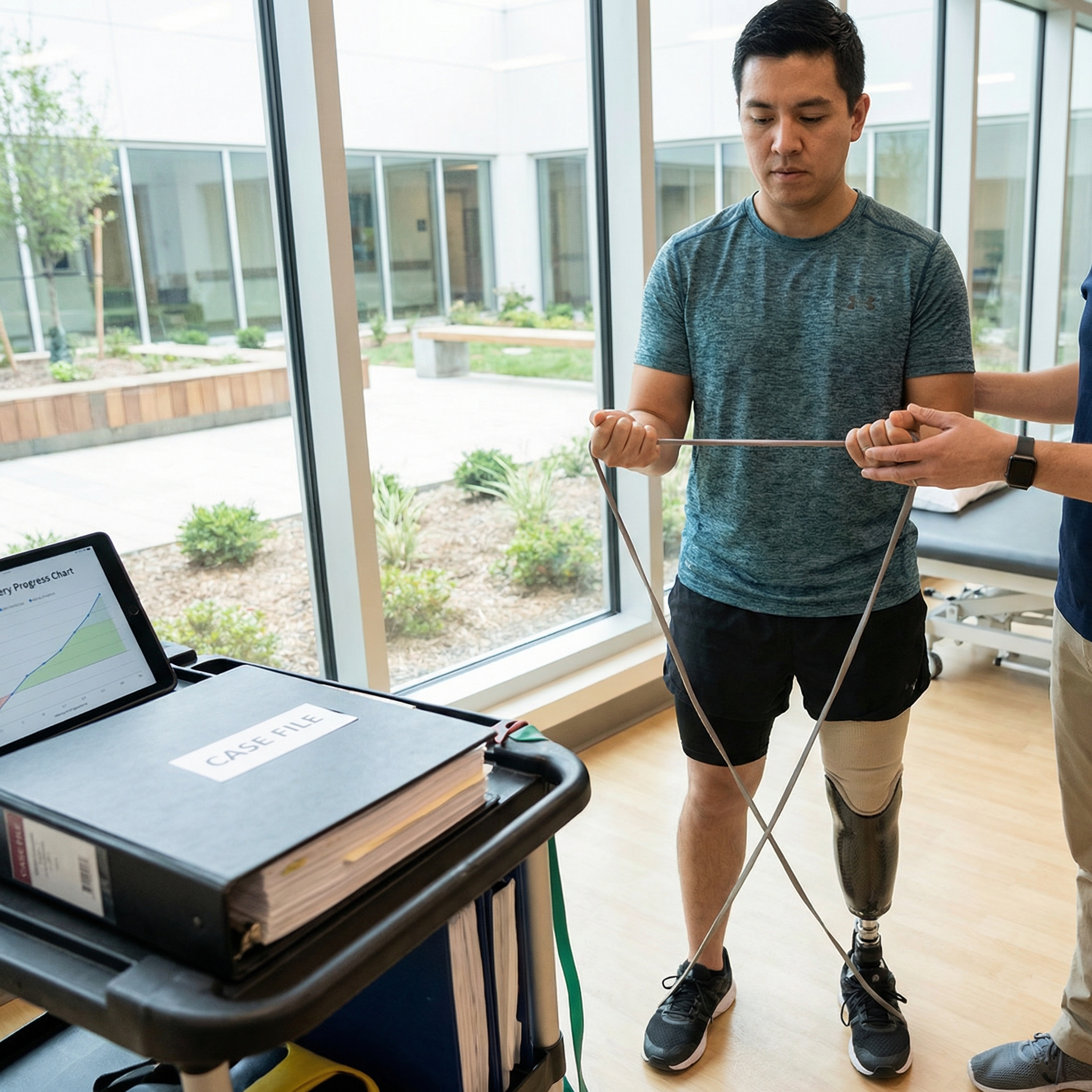
Rehabilitation hospitals use standardized tools to track function, such as scores for mobility, self care, and cognitive tasks. Progress may be measured in small but meaningful gains, like moving from total assistance to needing only moderate help for transfers. Sometimes progress plateaus despite ongoing therapy, revealing lasting disabilities. Each change is recorded in objective terms, rather than vague descriptions. These numbers help translate a personal struggle into concrete evidence that adjusters and jurors can evaluate.
Therapists also document the technology and adaptations required for safe independence. This might include custom wheelchairs, standing frames, communication devices, home ramps, or bathroom equipment. When the record shows that a patient cannot function safely without these supports, it creates a bridge to future damages. Life care planners and vocational experts often rely on this material while projecting long term costs. By preserving and highlighting these therapy milestones, your legal team connects the day to day work of rehabilitation to the financial resources needed for the rest of your life.
Choosing the Right Rehabilitation Hospital With Your Legal Rights in Mind
Families are often asked to select a rehabilitation facility within days, while still coping with shock and grief. It is important to know that not all centers offer the same level of specialty care or experience with catastrophic injuries. Some hospitals focus heavily on orthopedic issues, while others have dedicated brain injury or spinal cord programs. Accreditation status, therapy intensity, and access to advanced technology can vary widely. Whenever possible, these differences should be weighed along with location and insurance constraints.
Your personal injury attorney can help you think about the legal implications of this choice. A facility experienced with catastrophic cases is more likely to document long term needs thoroughly and communicate with your legal team. Staff who understand discharge planning for complex injuries are better prepared to anticipate home care, transportation, and vocational challenges. That foresight reduces gaps in services that insurers might later use to argue that needs are overstated. While the primary goal is always the best medical recovery, making an informed selection also protects the strength of your future claim.
Common Legal Issues That Arise During Inpatient Rehabilitation
Legal concerns do not disappear once a patient moves from intensive care to rehabilitation. Insurance companies may try to limit the length of stay or push for transfer to a lower level facility before the patient is ready. Patients and families feel pressure to accept early discharge because they fear losing coverage. At the same time, consent forms, financial agreements, and benefit coordination documents can be confusing. These issues create stressful decisions at a moment when attention should be on healing.
Communication with a personal injury attorney during this phase can help protect rights without disrupting care. Counsel can review questionable insurance decisions and, when appropriate, advocate for continued rehabilitation. They can also explain how choices about follow up therapy, home health services, or outpatient programs may later affect the claim. If additional injuries or complications occur inside the facility, such as falls or bed sores, your lawyer can advise whether separate legal remedies exist. Keeping the legal team informed allows medical and legal strategies to move in the same direction rather than against each other.
Working With Your Personal Injury Attorney While You Rebuild Your Life
Patients in rehabilitation often worry that legal matters will distract them from therapy, but coordinated planning has the opposite effect. When an attorney manages communication with insurers and gathers records, patients can focus more fully on physical and emotional recovery. Lawyers can schedule meetings around therapy times and use simple, low stress methods for collecting information about pre injury life. Regular updates from family members or case managers help keep the legal team informed without overwhelming the patient. This respectful balance honors both the rehabilitation schedule and the urgency of the claim.
As discharge approaches, collaboration becomes even more important. Attorneys rely on rehabilitation recommendations to support claims for home care, transportation, assistive devices, and lost earning capacity. In turn, they can share information about likely settlement timelines and potential resources for bridging financial gaps. Planning together helps avoid sudden crises, such as losing necessary therapy because of a temporary insurance denial. When rehabilitation hospitals and personal injury counsel work as partners, injured people are better positioned to rebuild their lives with both medical stability and legal security.