
Advocacy That Turns Dangerous Streets Into Legal Issues
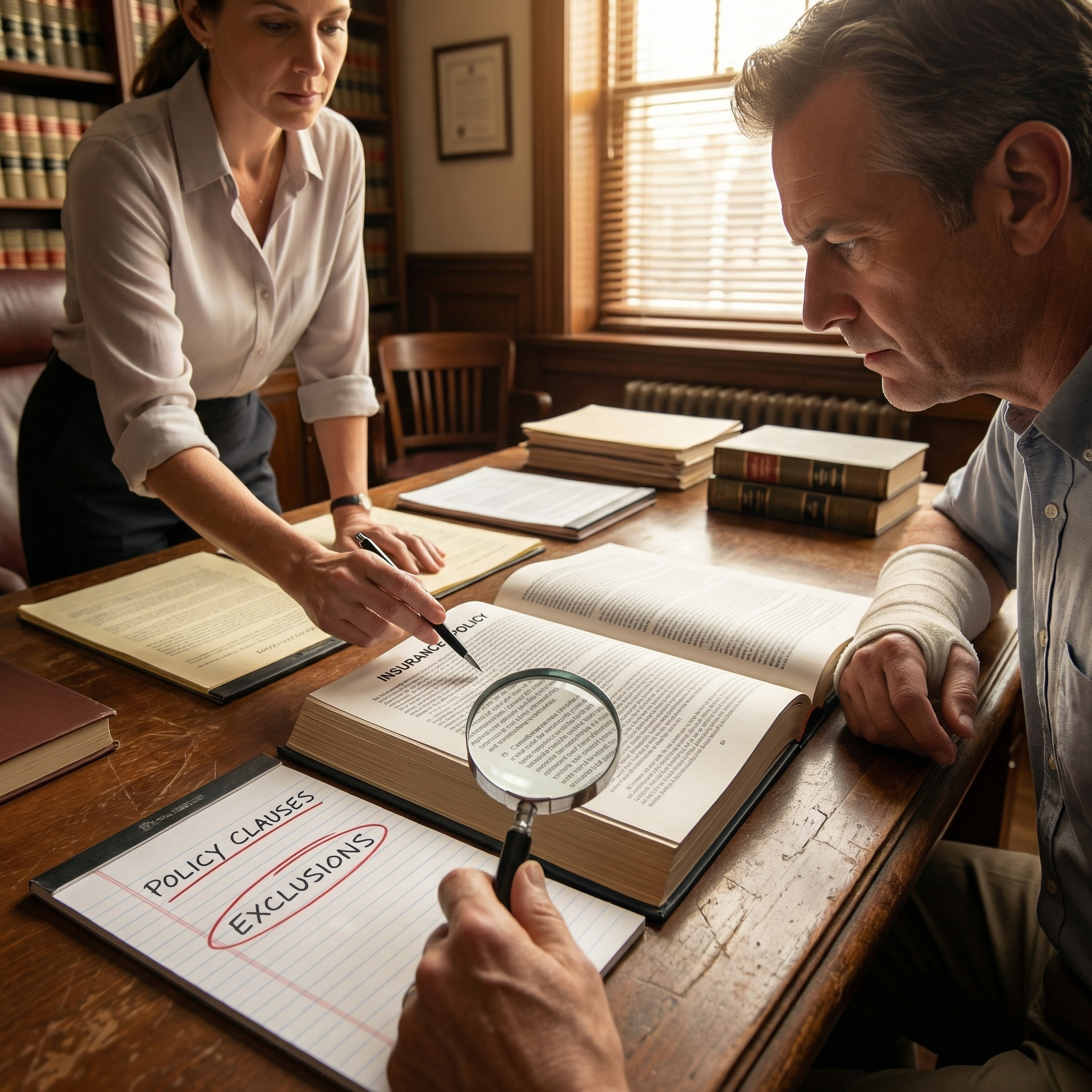
Cyclists and pedestrians are often blamed after crashes, even when the real danger is baked into the street itself. Personal injury lawyers look past quick assumptions and examine how road design helped create the conditions for harm. When a crosswalk is poorly marked, a bike lane suddenly disappears, or a turn lane invites speeding, those design choices can be evidence in a civil case. By connecting individual injuries to recurring design problems, attorneys create pressure for safer streets. Every well-prepared claim can both pursue compensation and highlight road features that need to change.
- Shift focus from individual blame to systemic design choices
- Identify patterns across multiple crashes at the same locations
- Use civil cases to spotlight dangerous intersections and corridors
When Road Design Becomes a Hazard, Liability Follows
Modern traffic engineering recognizes that human mistakes are inevitable, so streets should be designed to reduce the chance those mistakes turn deadly. In personal injury cases, lawyers ask whether a city, county, or private property owner ignored that basic safety principle. A roadway that encourages high speeds near a school, or a crossing that forces pedestrians to sprint across multiple lanes, may violate accepted design guidelines. When governments or businesses fail to use safer, well-known alternatives, they can be held legally accountable. That accountability is often what finally motivates meaningful changes to protect people walking and biking.
- Compare existing conditions to accepted engineering and safety standards
- Assess whether decision-makers ignored clear crash trends
- Evaluate if safer, feasible alternatives were available and affordable
Not every crash involving a cyclist or pedestrian is caused by bad road design, but many are worsened by it. Lawyers look at whether blind corners, missing sidewalks, or confusing lane markings set the stage for a collision. A driver may share fault, yet a poorly designed street can magnify the consequences of a brief distraction. When multiple factors combine, the law often allows responsibility to be shared among all who contributed to the danger. Carefully developed claims can reveal this bigger picture, rather than leaving injured people to shoulder the burden alone.
- Analyze how visibility, lighting, and lane geometry affected the crash
- Consider both driver behavior and infrastructure shortcomings
- Pursue claims against all entities who contributed to unsafe conditions
Common Design Failures That Harm People Walking and Biking
Certain design patterns appear again and again in serious injury cases involving cyclists and pedestrians. High-speed, multi-lane roads without physical protections often leave little margin for error when drivers drift or misjudge distance. Intersections without pedestrian refuge islands or leading walk signals can force people to negotiate traffic with few safe options. Unprotected bike lanes positioned directly in the “door zone” of parked cars can turn everyday rides into constant risk. Each of these features represents a choice that can be questioned when someone is badly hurt.
- High-speed corridors lacking traffic calming or protections
- Crosswalks without signals, markings, or pedestrian refuge
- Bike lanes adjacent to opening car doors or sudden lane drops
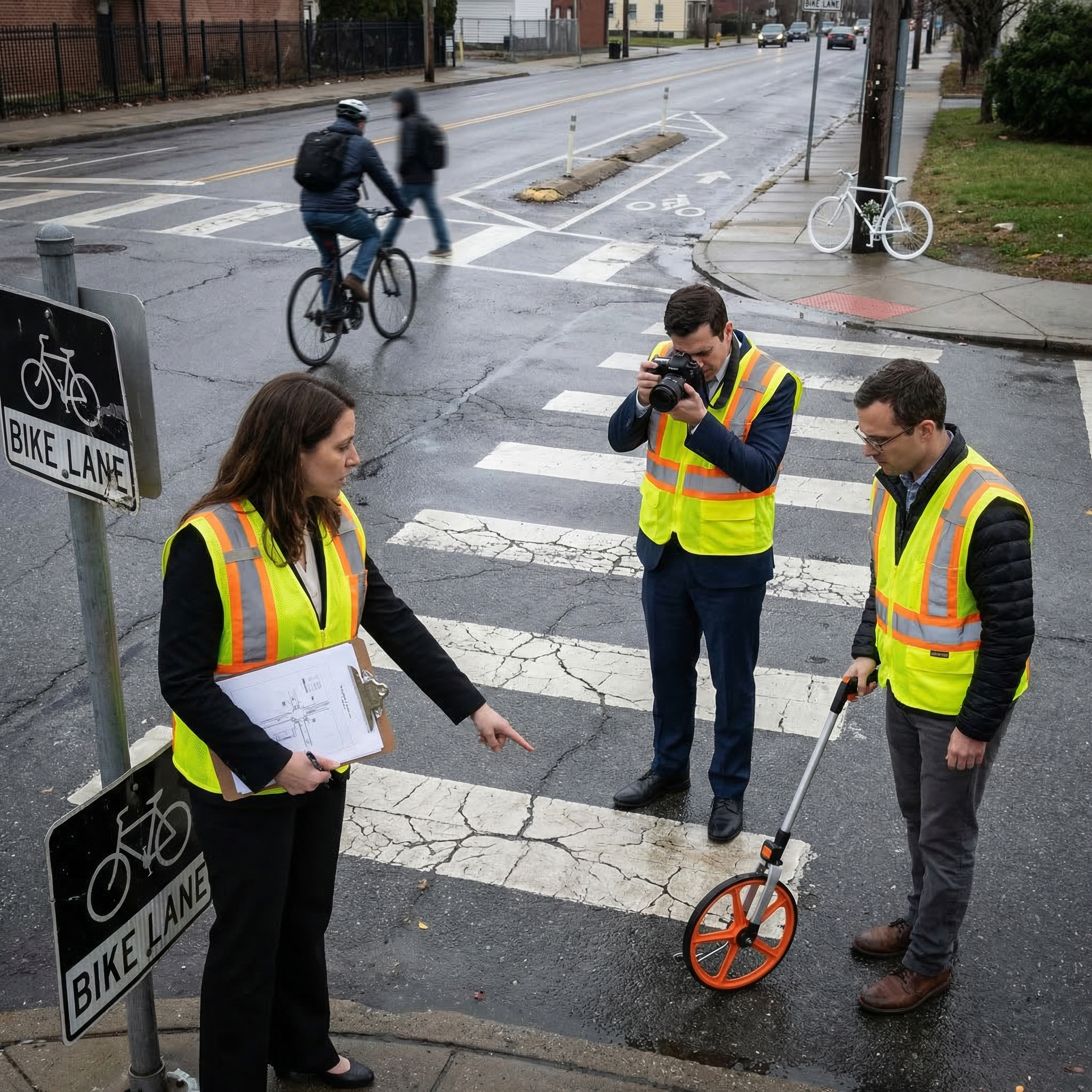
Personal injury lawyers document these conditions thoroughly, often visiting scenes at the same time of day as the crash. They evaluate how far a driver could realistically see a pedestrian, whether pavement markings were faded, and if warning signs were blocked. Photographs, measurements, and witness statements help build a clear record of how the street operated in real life, not just on paper. When those records show that design features predictably endangered non-drivers, they can form the backbone of a strong negligence claim. In turn, that evidence can encourage agencies to prioritize corrections rather than defend the same dangers repeatedly.
- Collect photos and videos reflecting real-world visibility conditions
- Measure distances, lane widths, and crossing lengths on-site
- Compare site observations to official plans and diagrams
Using Crash Data and Case Patterns to Push for Safer Streets
One injured cyclist or pedestrian can reveal a problem; multiple similar cases can prove a pattern. Attorneys who regularly handle road injury claims often notice the same intersections and corridors appearing across different clients’ stories. That repetition is a warning sign that design, not just individual behavior, is driving harm. By compiling crash data, prior complaints, and past lawsuits, lawyers can show that officials knew or should have known about the danger. This knowledge element is critical when arguing that governments failed to address hazards in a timely, responsible way.
- Track repeat crash locations across multiple client files
- Request public records on prior incidents and citizen complaints
- Highlight long-standing problems ignored despite clear warning signs
Patterns revealed through litigation can also inform broader advocacy beyond each case. When a firm sees recurring injuries at unmarked crossings, that insight can support calls for better crosswalk visibility across an entire city. Data from resolved cases can help explain to community groups, planners, and local leaders which design features are proving deadly in practice. The same evidence that persuades a jury can persuade policymakers responsible for street redesigns. In this way, client stories become catalysts for systemic improvement, not only individual justice.
- Share aggregated, de-identified case insights with safety advocates
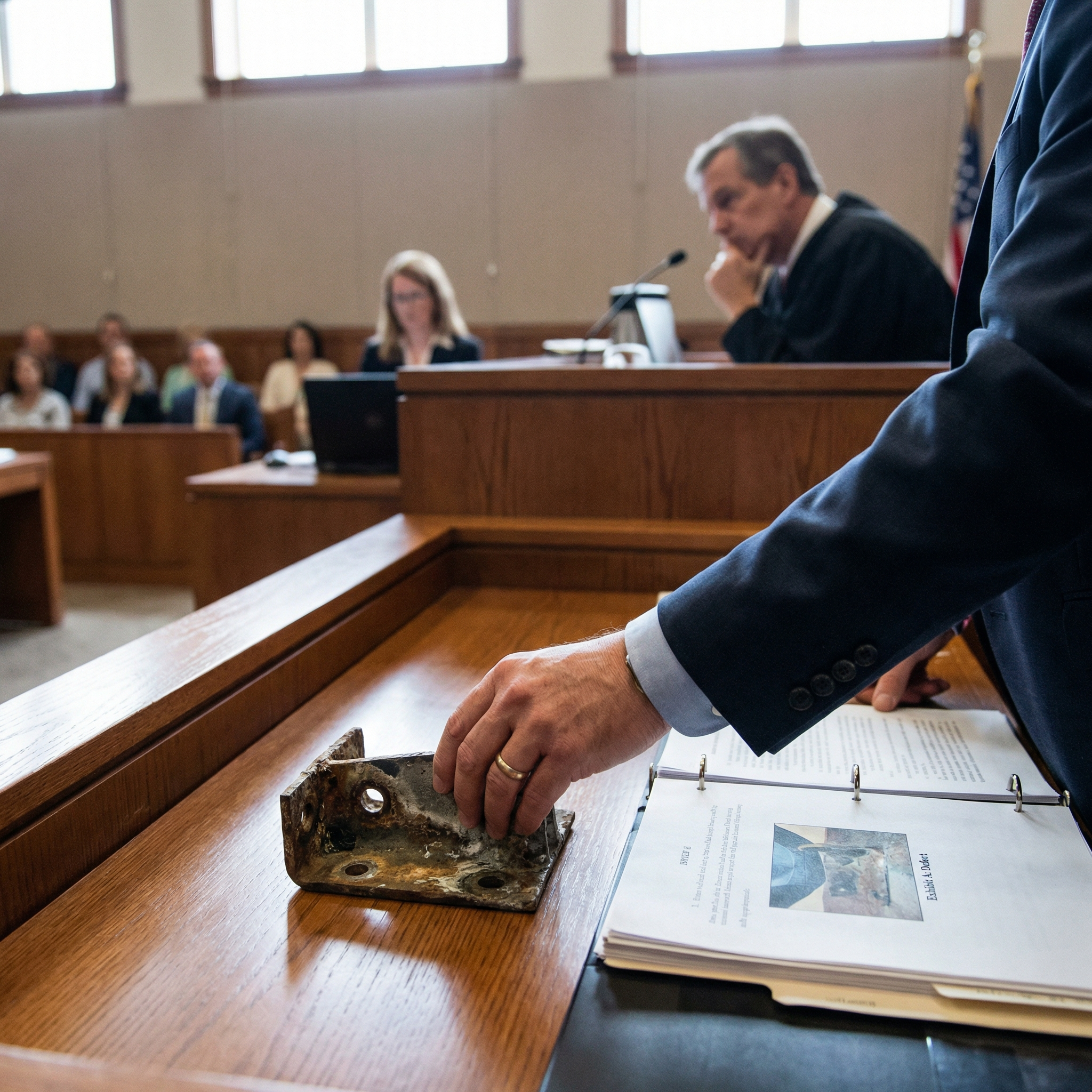
- Use trial exhibits to illustrate problems to non-legal audiences
- Support community campaigns with concrete legal findings
Partnering With Safety Experts to Expose Design Flaws
Technical expertise is essential when arguing that a road or intersection was unreasonably dangerous. Personal injury lawyers frequently work with traffic engineers, human factors experts, and crash reconstruction specialists to translate complex design issues into plain language. These professionals analyze sight distances, stopping distances, signal timing, and lane configurations with an eye toward safety. Their opinions can show juries and judges how small design changes could have prevented catastrophic outcomes. Clear expert testimony often makes the difference between a vague complaint and a compelling case for responsibility.
- Engage qualified traffic engineering and human factors experts early
- Reconstruct crash dynamics using real-world road conditions
- Demonstrate how modest design changes could have prevented injury
Experts also help distinguish between unfortunate accidents and truly negligent design. Not every imperfect street violates legal duties, but some clearly fall below widely accepted safety practices. By referencing manuals, design guidelines, and industry research, experts can show where decision-makers failed to apply known safety tools. That failure, especially when combined with a history of crashes, can support strong negligence findings. In turn, it encourages agencies to adopt higher standards in future projects to avoid repeat liability.
- Compare local designs to recognized safety guidelines and research
- Identify where cost-saving choices sacrificed vulnerable road user safety
- Highlight feasible, proven treatments officials chose not to implement
Legal Strategies That Turn Settlements Into Street Improvements
Many road design cases resolve through settlement rather than trial, but they can still drive meaningful change. In some situations, attorneys advocate for non-monetary terms alongside financial compensation for injured clients. These may include commitments to add crosswalks, adjust signal timing, build protected bike lanes, or improve lighting. While not every case allows for such provisions, they can be powerful when decision-makers are open to collaboration. The result is a resolution that both supports the client’s recovery and reduces the risk of future harms.
- Seek design improvements as part of broader settlement negotiations
- Encourage timelines and accountability for planned safety upgrades
- Connect clients’ stories directly to proposed engineering changes
Even when settlements do not explicitly mandate design fixes, the financial cost of repeated claims sends a clear message. Governments and insurers track where serious injury payouts are occurring and why. When high-crash locations consistently lead to significant legal exposure, safer designs begin to look like risk management necessities, not optional amenities. Personal injury cases therefore function as both a path to individual justice and a form of financial feedback on unsafe infrastructure. Over time, that feedback helps shift priorities toward projects that protect people outside of vehicles.
- Link claim costs to specific design shortcomings in negotiations
- Emphasize the long-term savings of proactive safety investments
- Encourage risk managers to support safer design policies internally
Steps Injured Cyclists and Pedestrians Can Take After a Crash
People struck while walking or biking may understandably focus on immediate medical needs and basic recovery. Yet early actions can also preserve crucial evidence about dangerous street conditions. Photographing the scene, nearby signage, lane markings, and lighting can later help experts evaluate design problems. Recording names of witnesses and nearby businesses may lead to helpful surveillance footage. Contacting an experienced personal injury lawyer promptly gives you an advocate who knows what to document and how quickly that evidence can disappear.
- Capture clear photos of the crash scene from multiple angles
- Note visibility issues, missing markings, and confusing traffic patterns
- Consult counsel before infrastructure changes alter or erase key evidence
Injured people and families also have an important voice beyond the courtroom. Sharing experiences in appropriate community forums, when you feel ready and supported, can highlight how specific streets feel in real use. Those personal accounts complement technical data and help planners grasp the human stakes of design decisions. Working with an attorney ensures that public advocacy does not jeopardize your legal rights or ongoing case. Together, legal strategy and lived experience can push communities toward streets that truly protect everyone who walks and rides.
- Coordinate public advocacy with legal counsel to protect your case
- Participate in community safety meetings when you feel able
- Use your story to support broader calls for safer road designs