
Caregivers at the Center of Serious Injury Cases
When a loved one is seriously injured, family members often become caregivers overnight. They are suddenly managing medications, transportation, personal care, and complicated medical instructions. At the same time, they are being asked to help a legal team understand what happened and how life has changed. This dual role is exhausting and can quickly lead to physical, emotional, and financial strain. Personal injury advocacy that ignores caregiver needs is incomplete advocacy.
Strong personal injury cases depend on clear proof of how an injury affects daily life. Family caregivers are often the ones who see every struggle, missed activity, and sleepless night. Yet caregivers themselves may feel they must “power through” without help, even when they are overwhelmed. Respite and support services are not luxuries in this context; they are tools that protect both the caregiver and the injury claim. A skilled injury lawyer should treat caregiver support as a core part of the case strategy, not an afterthought.
The Hidden Legal Role of Family Caregivers
Family caregivers are usually seen as helpers, but in a personal injury case they are also key witnesses. They observe pain levels, mobility limits, mood changes, and the amount of assistance required each day. Their observations help document non-economic damages such as loss of enjoyment of life, and they help quantify the value of household services the injured person can no longer perform. When caregivers are exhausted or unsupported, they may miss appointments, forget details, or struggle to articulate what they see. That weakens testimony and can unintentionally understate the true impact of the injury.
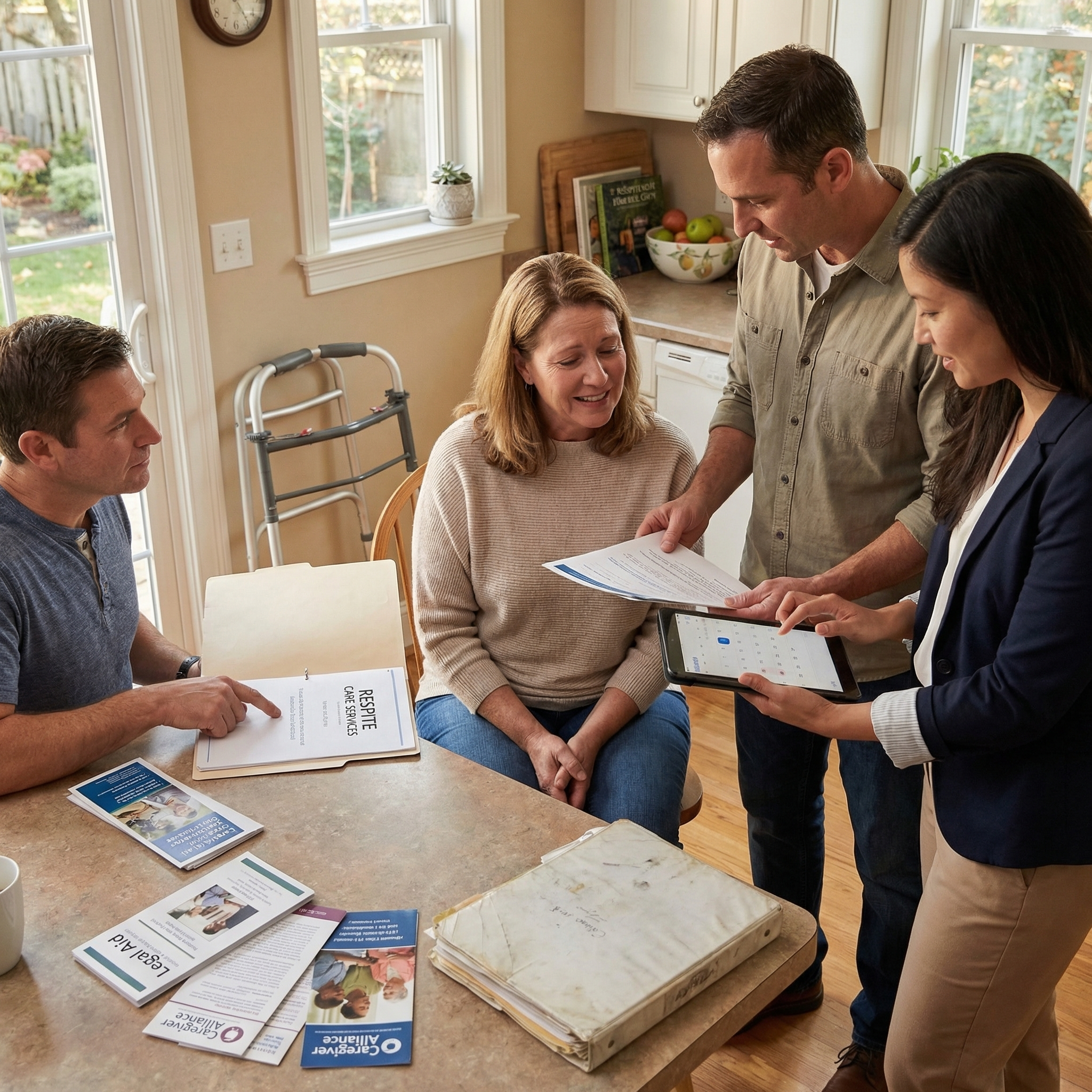
Caregivers also collect and organize many of the records that matter in litigation. They may keep calendars of appointments, mileage logs, medication lists, and notes on setbacks and improvements. These materials can provide powerful timelines that support medical opinions and economic calculations. With guidance from an attorney, caregivers can learn what details are most important to preserve. When combined with respite services that give them time to think and organize, their documentation becomes clearer, more consistent, and more persuasive to insurers and juries.
Why Respite Services Matter in a Personal Injury Claim
Respite care gives caregivers short, planned breaks from daily responsibilities, and those breaks have legal value as well as emotional value. When caregivers are less burned out, they are better able to attend meetings with attorneys, respond to requests for information, and assist with preparing for depositions. Well-rested caregivers can more accurately describe how many hours they spend each week on personal care, transportation, and supervision. This level of detail helps attorneys calculate the replacement value of that care, which is a significant category of damages in many cases.
Respite services also help show the real cost of an injury. If a family must hire part-time home health aides, pay for adult day programs, or use agency sitters so the caregiver can continue working, those out-of-pocket expenses should be documented. Even when respite is provided by community organizations at low or no cost, the need for it helps demonstrate the seriousness of the injury’s impact. An attorney can help caregivers track these services and tie them to the legal claim, transforming what might feel like a private struggle into measurable, compensable loss.
Key Support Services an Injury Lawyer Should Help You Access
Effective personal injury representation looks beyond the courtroom to the support network surrounding the injured person and their caregiver. Attorneys and their staff can often connect families with local resources that lighten the load. These may include social workers embedded in medical practices, hospital-based patient navigators, or nonprofit organizations focused on specific injuries or disabilities. By building these connections early, caregivers receive guidance before burnout turns into a crisis. That stability also helps the injured person stay engaged in treatment, which strengthens both recovery and the legal case.
Beyond respite, caregivers commonly need practical services that keep daily life functioning. Transportation assistance helps ensure medical appointments and therapy sessions are not missed, avoiding gaps in treatment that insurers may use against the claim. In-home nursing visits can reduce preventable complications, which in turn avoids additional disputes about the cause of new medical issues. Support groups and counseling services can help caregivers manage stress, grief, and frustration, reducing the risk of conflict inside the family. An attorney who routinely asks about these needs can cooperate with healthcare providers to create a coordinated plan of support.
Proving Caregiving Costs and Strain in Your Damages Claim
Caregiver time has economic value, even when no paycheck is involved. Personal injury law often recognizes the cost of replacing care that a family member provides without charge. To make this argument effective, attorneys need concrete information about hours spent assisting with bathing, dressing, feeding, medication, transportation, and supervision. Caregivers can keep simple daily or weekly logs capturing these activities and the approximate time required. Over months or years, those logs become powerful evidence showing how the injury reshaped the household.
Support services can make it easier to maintain this level of documentation. For example, home health agencies may provide detailed visit notes that confirm the type and frequency of care delivered. Respite providers often track attendance, which helps show how much supervision is needed to keep the injured person safe. Mental health professionals can document caregiver stress, anxiety, or depression, supporting claims for loss of consortium and emotional harm within the family. When all these records are organized and shared with the legal team, they create a fuller picture of damages that goes far beyond medical bills alone.
Preparing for Long-Term Care Needs Through Settlement Planning
Family caregivers often worry about what will happen when they can no longer provide the same level of care. Long-term planning should be part of settlement discussions in serious injury cases. Attorneys can work with life-care planners and financial professionals to estimate future care needs, including paid aides, assisted living, or skilled nursing if appropriate. Those projections should account for caregiver aging, potential health issues, and the realistic limits of unpaid support. When these factors are built into a settlement, caregivers are not left carrying an unsustainable burden once the case is over.
Respite and support services used during the case can inform these long-term projections. If the family already relies on agency aides for certain tasks, their hourly rates and schedules offer concrete cost data. If the caregiver has had to reduce work hours or leave a job entirely, that lost earning capacity should be recognized and valued. Attorneys can also consider the cost of training caregivers in safe transfer techniques or medical skills, which reduces injury risk to both the patient and the caregiver. Thoughtful settlement planning treats caregiver sustainability as a core goal, not a secondary concern.
Protecting Caregivers’ Rights, Jobs, and Mental Health
Caregivers may face job conflicts, reduced hours, or the need to take unpaid leave to attend appointments and provide care. An injury attorney cannot give employment law advice in every situation, but they can encourage caregivers to speak with appropriate professionals before making major work decisions. Documenting schedule changes, lost promotions, or job loss linked to caregiving can be important in certain damages claims. Attorneys can also coordinate with treating providers to supply letters that explain the necessity of the caregiver’s presence at key appointments. This documentation can support requests for workplace accommodations where applicable.
Emotional strain on caregivers is another critical issue that deserves attention. Anxiety, sleep problems, and depression are common when a family member is suddenly managing complex care and financial uncertainty. Referrals to counseling, peer support groups, and caregiver education programs can protect mental health and improve family communication. These services do not just help caregivers cope; they also reduce the risk of conflicts that can disrupt treatment or derail a legal case. When attorneys acknowledge caregiver stress and build support into the overall strategy, they protect everyone involved in the claim.
Practical Steps for Caregivers Starting Today
Caregivers do not need to wait for a lawsuit to reach a particular stage before seeking support. From the first weeks after an injury, they can begin keeping a simple notebook or digital log of tasks, hours, and key changes in the injured person’s condition. They can ask medical providers about social work services, therapy recommendations, and community respite programs. Sharing this information with an attorney early allows the legal team to identify gaps and suggest additional resources. It also ensures that crucial details are not lost to memory as time passes.
If you are a caregiver, it is reasonable to ask your personal injury lawyer direct questions about support. You can ask what local respite options other clients have used, what records will be most helpful, and how your time and stress can be reflected in the damages claim. You can also request that your needs be considered when scheduling depositions, mediations, and other case events. When caregivers are supported, organized, and informed, they are better able to continue caring for their loved one and to participate effectively in the legal process. That balance benefits the injured person, the caregiver, and the strength of the entire case.