
Shifting Liability Targets in Modern Personal Injury Practice
Recent court decisions and emerging laws are quietly reshaping who can be held responsible when people are hurt. For personal injury lawyers and legal advocates, these developments expand the universe of viable defendants and theories of liability.
From freight brokers and public transit agencies to youth camps, warehouses, food companies, and cruise operators, the legal landscape is moving fast. Staying on top of these changes can mean the difference between a limited recovery and full justice for injured clients.
Freight Brokers and Catastrophic Crash Cases
The US Supreme Court is weighing state tort liability for freight brokers in cases involving serious crashes. The justices have questioned whether Congress meant to shield brokers from liability when it deregulated the trucking industry more than 30 years ago.
For injury practitioners, the answer will be critical in major trucking cases. If brokers remain within reach of state tort suits, plaintiffs may be able to:
- Pursue additional insurance coverage and assets when motor carriers are underinsured or insolvent.
- Argue negligent selection or retention of unsafe carriers as an independent basis for liability.
- Leverage broker safety practices and data in discovery to show systemic problems contributing to crashes.
Whatever the Court decides, trucking cases now demand careful attention to every entity in the shipping chain, not just the carrier behind the wheel.
Public Transit Agencies Lose a Powerful Shield
In another unanimous decision, the Supreme Court held that New Jersey Transit is not an arm of the state and can be sued for damages outside New Jersey. That ruling strips a major immunity defense from one of the country’s largest transit systems.
For victims of bus and rail incidents, the decision underscores the importance of examining how each transit entity is structured before writing off claims as barred by state sovereignty. It also opens strategic possibilities, including:
- Filing actions in forums that may be more favorable to plaintiffs on procedure, juries, or damages law.
- Coordinating multi-state litigation when a single transit system operates across borders.
- Pressing for broader discovery into safety practices and prior incidents, rather than accepting narrow immunity arguments.
Other transit agencies with similar structures may now face renewed scrutiny in personal injury and wrongful death suits.
Camp Flood Tragedy and the Ongoing Duty to Protect
A Texas judge has allowed Camp Mystic, the youth camp where 25 girls and two counselors died in a major flood over the July 4th weekend last year, to partially reopen this summer. The ruling comes in the shadow of extraordinary loss of life.
For plaintiff lawyers, the case highlights the long tail of duty in mass-injury events. Even as operations resume, questions remain about:
- Flood risk assessment and emergency planning for future seasons.
- Warnings to parents and participants about known natural hazards.
- Changes in infrastructure, staffing, and evacuation procedures following the disaster.
When representing victims and families, advocates can focus not only on past negligence but also on whether ongoing conditions and policies continue to expose children and staff to foreseeable harm.
Warehouse Quotas and Musculoskeletal Injury Prevention
Connecticut has enacted legislation limiting warehouse worker quotas and requiring more efforts to prevent musculoskeletal injuries. The law applies to facilities operated by Amazon and other large employers, and directly targets overuse and strain in fast-paced fulfillment centers.
For attorneys working at the intersection of workplace safety and personal injury or workers’ compensation, this kind of statute can be a powerful tool. It can inform arguments that:
- Excessive productivity quotas ignored known ergonomic risks and created unsafe conditions.
- Employers failed to modify tasks or staffing levels despite clear legal direction to curb injuries.
- Documented musculoskeletal problems were a predictable and preventable result of quota-driven operations.
As other states consider similar measures, tracking these legislative trends will be essential to building strong, evidence-backed claims.
Foodborne Illness Trials and Boardroom Accountability
A corporate responsibility trial involving Blue Bell Creameries and a fatal listeria outbreak has put company directors on the witness stand. Their testimony has been cited as a stark example of why many such cases settle if they are not dismissed early.
For injury and wrongful death advocates, the case is a reminder that board-level documents and testimony can dramatically change settlement dynamics. Detailed exploration of safety oversight, product testing, and recall decision-making may:
- Expose gaps between written policies and real-world practices.
- Reveal early warning signs that executives knew about but did not adequately address.
- Increase public and judicial pressure on companies to resolve claims on fair terms.
When a case proceeds far enough to put directors on the stand, the risk calculus for corporate defendants can shift in favor of meaningful compensation and robust injunctive relief.
Maritime Injuries and the Reach of Arbitration Agreements
In Florida, a federal district court compelled arbitration of a Nicaraguan seaman’s Jones Act and maintenance and cure claims. The court allowed non-signatory MSC Cruises S.A. to enforce the arbitration agreement as the vessel operator expressly covered in the collective bargaining agreement.
This ruling underscores the growing role of arbitration in personal injury disputes involving seafarers and international employers. Plaintiff-side advocates handling maritime injuries should be prepared to:
- Analyze collective bargaining agreements and ticket contracts at the outset to identify arbitration obligations.
- Assess whether any challenges to enforcement exist under applicable statutes or public policy.
- Develop strategies for discovery, expert use, and damage presentation within arbitral forums when court litigation is not available.
Even when arbitration is compelled, creative advocacy can still secure significant recovery for injured workers, but it requires early planning.
Putting the Pieces Together for Stronger Injury Advocacy
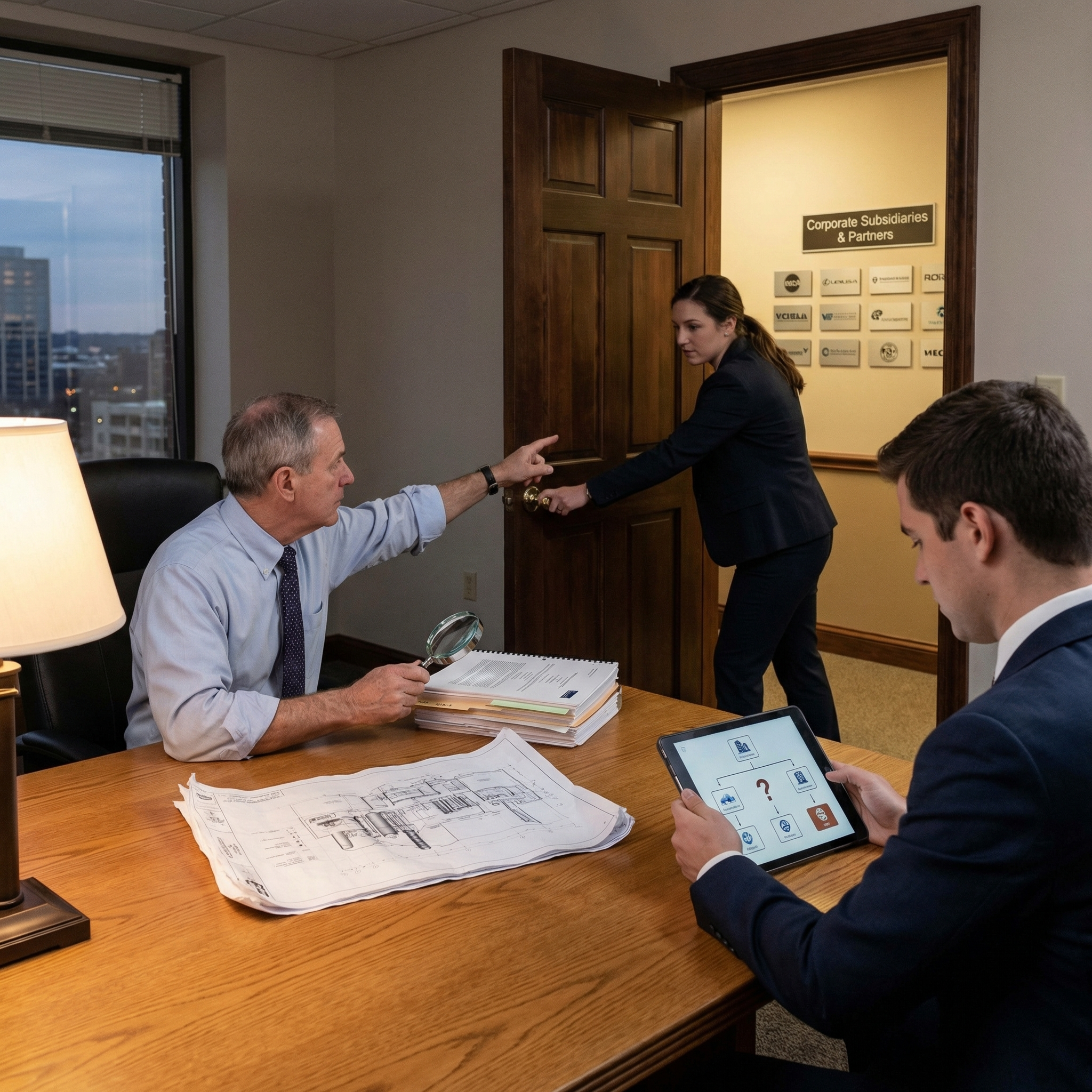
Taken together, these developments point to a broad theme: courts and legislatures are redefining which entities can be sued, where they can be sued, and under what procedural rules. For personal injury lawyers, success increasingly depends on mapping the full ecosystem around an injury, from brokers and transit authorities to camps, warehouses, food companies, and maritime operators.
By closely tracking decisions like the Supreme Court’s rulings on transit immunity and freight brokers, state laws on workplace safety, and trial-level battles over arbitration and corporate testimony, advocates can expand the path to recovery. For injured people and their families, that expanded path may be the key to obtaining full and fair accountability.