
Introduction to Roofing Legal Responsibilities
When undertaking roofing projects, understanding the legal obligations embedded in warranties, contracts, and dispute resolution procedures is essential. These elements safeguard both homeowners and contractors, clarifying expectations and protections throughout the roofing process. Proper knowledge helps prevent misunderstandings and ensures compliance with applicable laws and industry standards.
This article explores key legal responsibilities involved in roofing warranties and contracts, along with practical guidance on resolving disputes effectively.
The Role and Scope of Roofing Warranties
Roofing warranties provide assurances about the quality and durability of materials and workmanship. They serve as a legally binding promise from the contractor or manufacturer regarding repair or replacement under specified conditions.
There are generally two types of warranties in roofing:
- Manufacturer Warranties: Cover defects in roofing materials for a certain period, often excluding installation errors.
- Workmanship Warranties: Provided by the contractor, focusing on the quality of installation and labor.
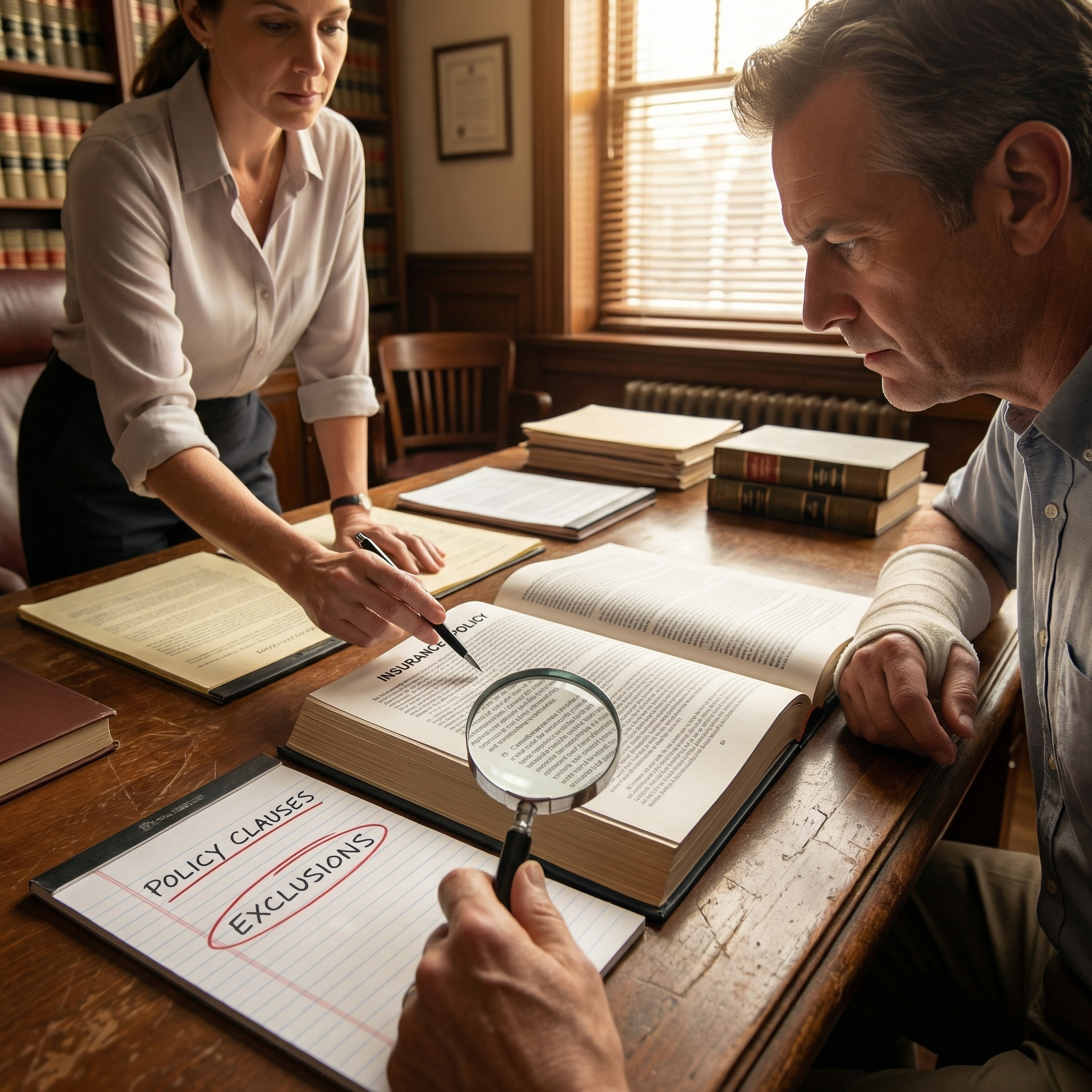
Understanding the warranty duration, coverage limits, and any exclusions is crucial. Homeowners should carefully review warranty documents to identify obligations such as routine maintenance requirements that, if neglected, might void the warranty.
Key Legal Elements in Roofing Contracts
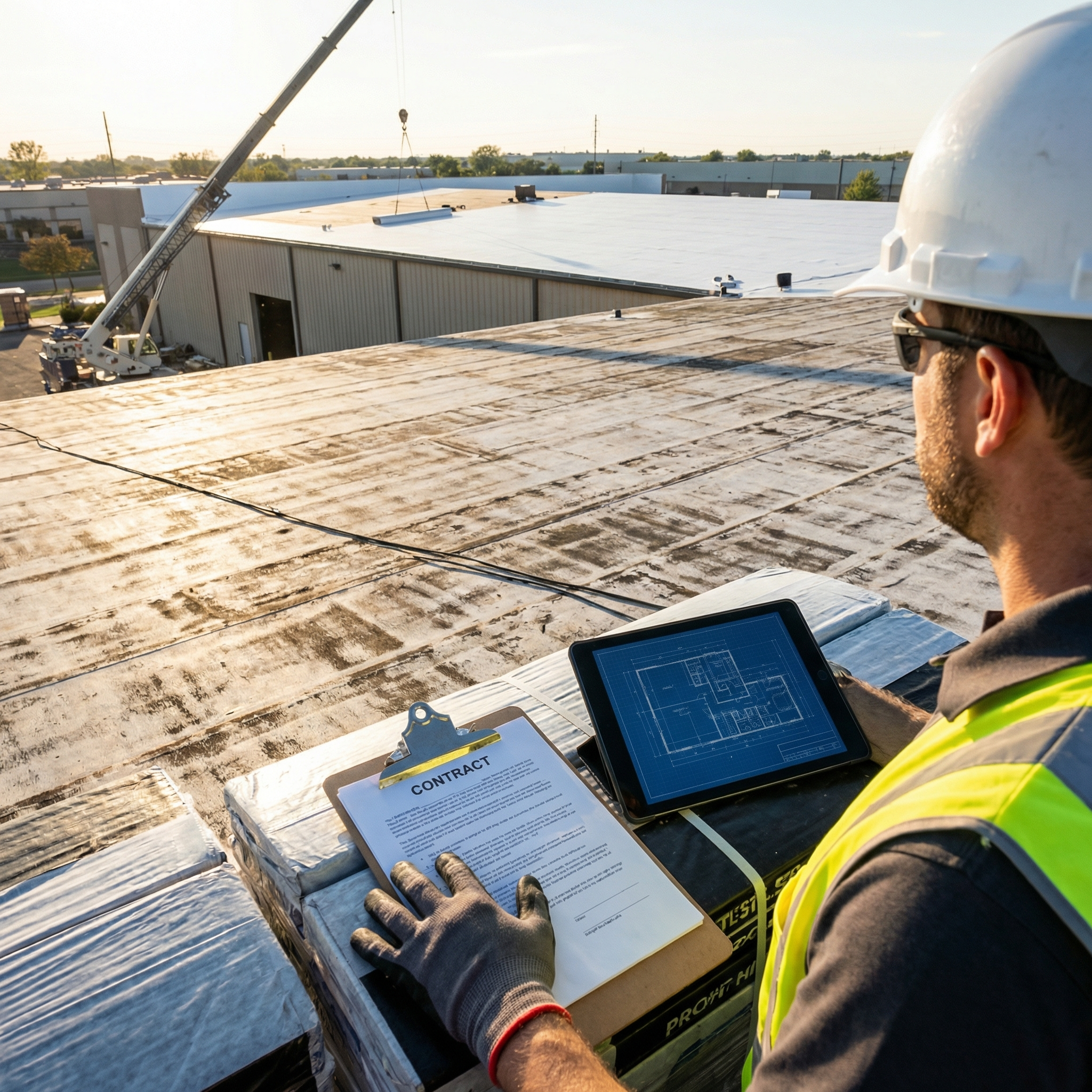
Roofing contracts formalize the agreement between the property owner and roofing contractor. They outline the scope of work, payment terms, timelines, and responsibilities of each party.
A legally sound roofing contract typically includes:
- Detailed Scope of Work: Specifies materials, methods, and project phases.
- Payment Schedule: Defines deposit, progress payments, and final balance.
- Completion Deadlines: Sets realistic timelines and provisions for delays.
- Insurance and Licensing: Confirms contractor’s coverage and legal authorization.
Contracts must comply with local construction laws and consumer protection regulations. Both parties should retain signed copies to ensure enforceability and clarity in case of disputes.
Understanding Dispute Resolution Mechanisms
Despite best efforts, conflicts can arise during or after roofing projects. Dispute resolution clauses in contracts help manage disagreements efficiently without resorting to costly litigation.
Common dispute resolution methods include:
- Mediation: A neutral third party facilitates negotiation to reach a voluntary agreement.
- Arbitration: A binding process where an arbitrator makes a final decision.
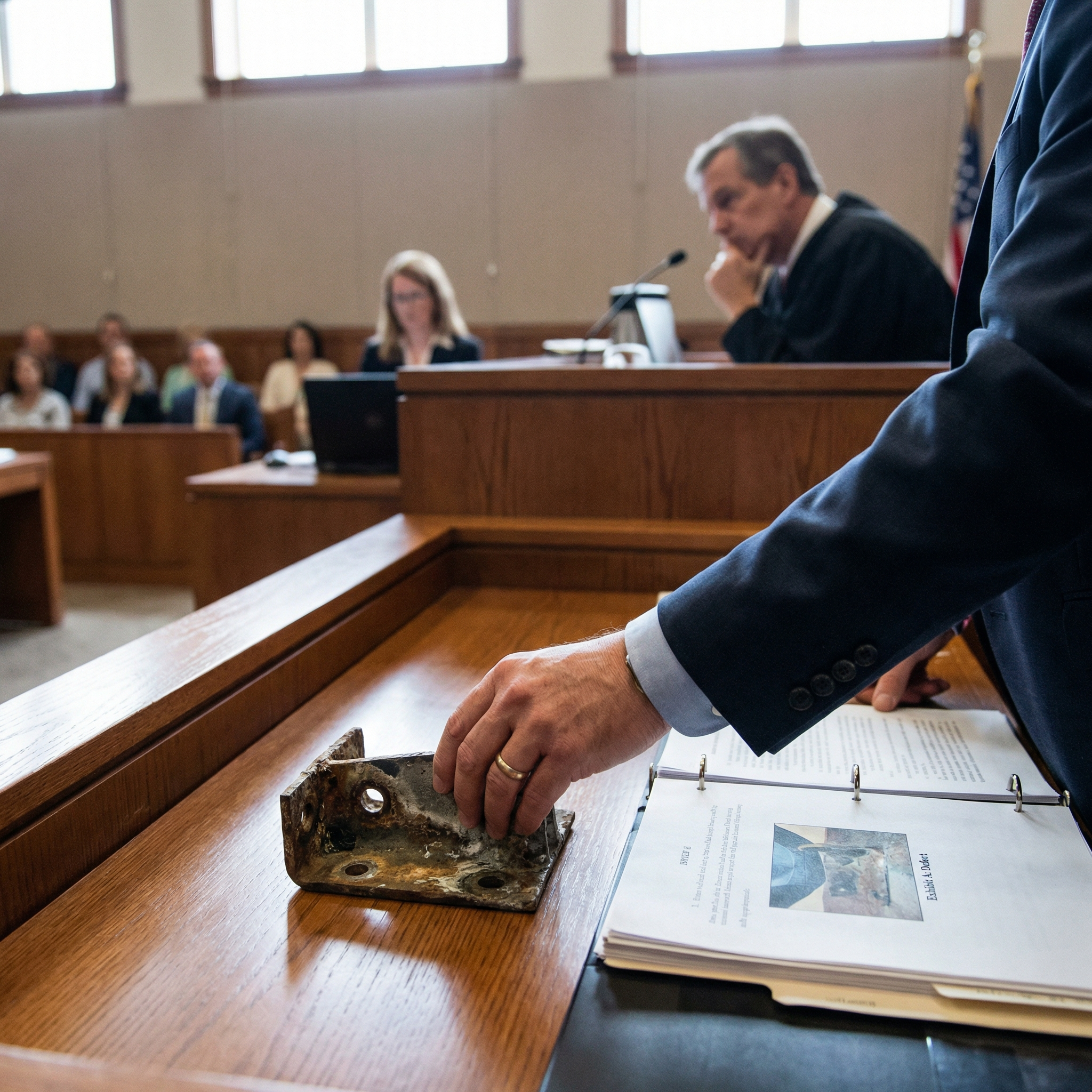
- Litigation: Formal court proceedings used as a last resort when other methods fail.
Including clear, step-by-step dispute resolution procedures in contracts encourages timely communication and problem-solving, preserving business relationships.
Contractor’s Legal Responsibilities and Consumer Protections
Contractors carry legal duties to perform work according to agreed standards, building codes, and safety requirements. They must also provide truthful information about roofing products, warranties, and potential limitations.
Homeowners benefit from consumer protection laws that:
- Require contractors to be licensed and insured.
- Mandate clear disclosures of project costs and terms.
- Allow cancellation rights within specified timeframes.
Understanding these protections empowers homeowners to hold contractors accountable and seek remedies when breaches occur.
Homeowner Responsibilities to Maintain Warranty Validity
Warranties often require homeowners to perform routine maintenance to keep coverage intact. This includes inspections, debris removal, and timely repairs of minor issues.
Failing to adhere to maintenance obligations can result in denial of warranty claims. Homeowners should:
- Keep detailed records of maintenance activities and inspections.
- Follow manufacturer and contractor guidelines precisely.
- Notify contractors promptly about any suspected roof problems.
Active involvement in upkeep protects the investment and extends the lifespan of the roofing system.
Practical Tips for Avoiding and Resolving Roofing Disputes
Preventing disputes starts with clear communication and thorough documentation. Homeowners should:
- Request detailed written contracts and warranties before work begins.
- Ask questions to clarify ambiguous terms or conditions.
- Keep all correspondence, invoices, and warranty documents organized.
If disputes occur, approaching the contractor calmly and using contract dispute clauses can lead to faster resolutions. Engaging professional mediators or arbitrators often results in mutually acceptable outcomes without expensive court battles.
Ultimately, understanding legal responsibilities and following best practices in roofing warranties, contracts, and dispute resolution protects both parties and promotes successful project completion.