
Why an IP Holding Company Story Matters to Injury Lawyers
A recent piece by BSA Law, titled Why IP Owners Are Choosing the UAE for IP Holding Companies, highlights a trend that may look far removed from personal injury litigation at first glance. It focuses on intellectual property owners and the decision to base IP holding companies in the United Arab Emirates.
For personal injury lawyers, this kind of development is more than a corporate or intellectual property footnote. It is a reminder that the defendants you sue today are increasingly organizing their valuable assets in complex, cross-border structures that can influence case strategy, settlement leverage, and judgment recovery.
The Signal Behind IP Owners Choosing UAE Holding Companies
The very idea that IP owners are choosing the UAE for IP holding companies signals that businesses are thinking strategically about where they park their most valuable intangible assets. Rather than holding core intellectual property inside the same operating company that sells products or operates services, those rights may be centralized in a separate entity in another jurisdiction.
This approach can affect how and where value is held within a corporate group. From an injury litigator’s point of view, that can change the landscape when you are trying to understand who really benefits from a dangerous product, a hazardous worksite, or a negligent service that harms your client.
Impact on Identifying Defendants and Deep Pockets
When key IP is moved into a dedicated holding company, the visible operating entity in your jurisdiction might no longer own the trademarks, patents, or proprietary technology that drive revenue. Instead, a related company, possibly in a place like the UAE, holds those rights.
That structure has several implications for personal injury matters involving corporate defendants.
- More complex ownership maps: You may need to look past the local operating company to understand where real economic power sits inside a corporate family.
- Additional potential parties: Depending on the facts and local law, corporate affiliates that benefit from harmful conduct may deserve closer scrutiny when you are evaluating all responsible entities.
- Different leverage points: Knowing that a valuable IP holding company stands behind a defendant can influence negotiation dynamics, even if you ultimately proceed only against local entities.
Consequences for Valuing Losses and Business Harm
In significant personal injury cases, especially those involving catastrophic injury or wrongful death, part of the damages story may involve harm to a business, professional practice, or long-term earning capacity. Where and how IP is held can shape that analysis.
If a client’s injury affects their ability to work with or benefit from a business that uses licensed IP held in a UAE entity, the economics of that licensing relationship may matter. Likewise, if a defendant’s dangerous product is tied to branded technology or proprietary systems owned abroad, that context can support your narrative about the scale of the harm and the resources available to remedy it.
Judgment Collection in a World of Cross-Border IP
When intellectual property is concentrated in foreign holding companies, collecting on a substantial judgment can become more nuanced. The operating company you sue might have limited local assets compared to the broader corporate group that ultimately profits from the IP.
This reality makes it more important for personal injury lawyers to think early about how corporate structure intersects with enforcement. Even if you remain focused on domestic proceedings, awareness that valuable IP sits in a UAE holding company can shape settlement strategy and your assessment of actual recovery risk.
Practical Steps for Injury Firms Facing UAE-Based IP Holding Companies
Personal injury lawyers do not need to become intellectual property specialists to respond effectively to this trend. However, a few practical habits can help you navigate cases where corporate IP structuring may be in play.
- Ask targeted corporate questions: In early discovery or informal investigation, seek clarity on which entities own trademarks, patents, software, or proprietary systems tied to the incident.
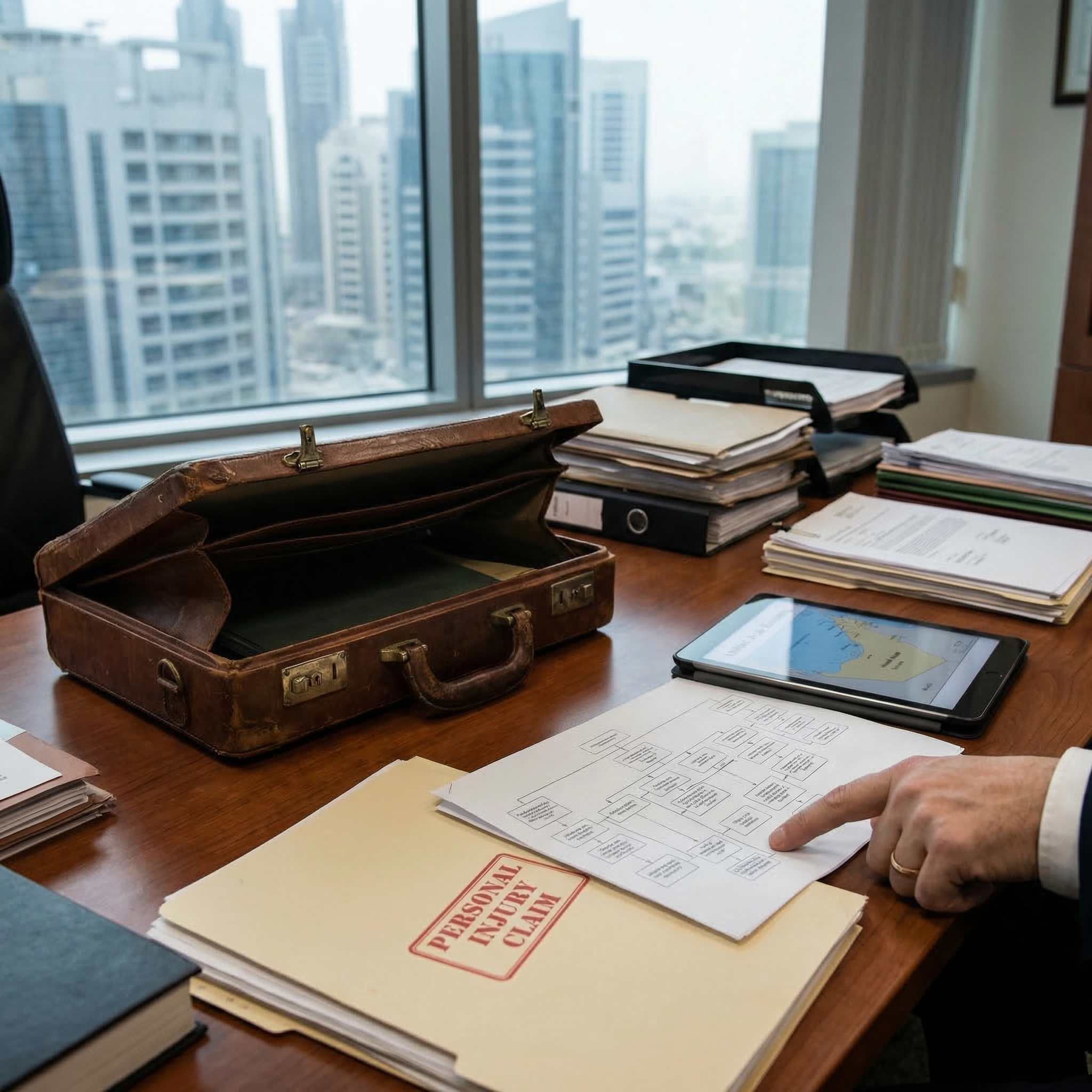
- Request organizational charts: Corporate diagrams, even high-level ones, can highlight the existence of offshore or foreign IP holding companies in jurisdictions such as the UAE.
- Probe licensing and royalty flows: Where appropriate, look at agreements that show how the operating defendant uses IP owned by an affiliated holding company and what value flows back to that owner.
- Coordinate with cross-border counsel when needed: In high-value cases, consider consulting colleagues familiar with international structures and foreign jurisdictions to understand potential enforcement pathways.
Using IP Structures to Support Your Liability Narrative
Global IP holding arrangements are not just about asset location. They can also reflect how centralized a business really is, even when it appears fragmented into separate entities on paper.
If your discovery reveals that critical IP connected to a harmful product or system is held in a UAE-based holding company and licensed across multiple regions, that may reinforce themes of centralized decision-making, brand control, and coordinated risk management. While the legal impact will depend on your jurisdiction, these facts can support arguments about foreseeability, corporate knowledge, and the scale of responsibility.
Client Communication and Expectation Management
When clients hear that a defendant’s assets or IP are held in foreign entities, they may worry that justice will be out of reach. Personal injury lawyers can add value by explaining, in plain language, that complex corporate structures do not automatically defeat legitimate claims.
Referencing trends like those highlighted in the BSA Law piece on UAE IP holding companies can help you educate clients about the modern business environment. You can emphasize that understanding where assets sit is part of thorough case preparation, and that many claims still resolve through negotiation or domestic processes even when foreign entities are in the background.
Positioning Your Firm for a More Global Defendant Landscape
As more IP owners choose jurisdictions like the UAE for holding companies, personal injury practices that recognize and adapt to these dynamics will be better positioned. Even though your core work remains grounded in local injury statutes and procedures, your defendants may increasingly be part of global, IP-centric groups.
By paying attention to how intellectual property is owned and structured, collaborating when appropriate with international colleagues, and integrating these insights into your case strategy, you can protect clients more effectively in an era where corporate footprints span far beyond the physical location of an accident.