
When Loss Turns Into Legal Action
After a sudden, preventable death, families are often caught in a painful collision of grief and financial crisis. Medical bills may arrive even before funeral arrangements are complete, and household expenses continue despite the loss of a primary wage earner. Wrongful death claims exist to shift those costs from the family to the party whose careless or reckless conduct caused the loss. While no legal result can replace a person, financial support can give survivors the stability they need to grieve and heal. Treating a wrongful death claim as a financial lifeline, not a windfall, helps families see how the civil justice system is meant to protect them.
In personal injury law, a wrongful death case is about accountability and support rather than punishment alone. It asks a simple question with enormous consequences: who should bear the economic burden of a death that could have been avoided. The claim is a civil action, separate from any criminal case that might follow the same event. It focuses on the tangible and intangible losses the family will carry forward for years to come. Through careful documentation and legal advocacy, those losses are converted into compensation that can sustain the household after tragedy.
Wrongful Death Claims in Plain Language
A wrongful death claim arises when a person dies because another individual, company, or entity acted negligently or engaged in wrongful conduct. This could involve a crash caused by a distracted driver, a fall due to unsafe property conditions, or a fatal injury at a dangerous workplace. In each situation, the law allows certain surviving family members to seek money damages for the harm that flows from the death. The specifics of who can file and what can be recovered vary by state, but the purpose remains the same. The goal is to make sure the financial impact does not rest solely on the shoulders of the people who are already grieving most.
These cases often move through the same stages as other serious personal injury claims, but the stakes are even higher. An attorney must prove that a legal duty existed, that it was breached, and that the breach directly caused the death. Then the focus turns to the family and the many ways their lives have been permanently altered. Evidence about the decedent’s role in the household, income history, and future plans becomes crucial. This information helps translate a deeply personal loss into a claim that an insurer, a judge, or a jury can evaluate in financial terms.
Financial Support a Claim Can Provide
Wrongful death compensation is designed to replace the economic support the decedent would have provided if the incident had never happened. That often includes past medical expenses related to the final injury, as well as funeral and burial costs. Families may also recover for the loss of the decedent’s income, benefits, and contributions to health insurance or retirement accounts. In some jurisdictions, courts recognize the economic value of household services such as childcare, transportation, and home maintenance. When documented thoroughly, these components can combine to form a substantial foundation of long-term financial security.
The law also recognizes that not all losses can be measured with receipts and pay stubs. Many states allow families to recover for loss of companionship, guidance, and emotional support. These non-economic damages acknowledge the profound day-to-day impact of losing a spouse, parent, or child. Although no dollar amount truly captures that absence, personal stories, photos, and testimony can help illustrate it for an insurance adjuster or jury. In limited situations, additional damages may be available to punish particularly egregious conduct, which can increase the overall recovery and further strengthen the family’s financial position.
Replacing Lost Income and Future Security
One of the most significant pieces of a wrongful death claim is the loss of the decedent’s earnings over a lifetime. Attorneys often work with financial and vocational experts to estimate what the person would likely have earned based on age, education, health, and career trajectory. Those projections can include raises, promotions, and expected changes in the job market. Benefits such as health insurance contributions, pension plans, and retirement savings are also part of the analysis. When combined, this evidence creates a detailed picture of the financial future that was taken from the family.
For surviving spouses and children, these calculations are more than numbers; they shape real decisions about housing, schooling, and retirement. A strong wrongful death recovery can mean keeping a family home rather than losing it to foreclosure. It can fund college savings plans that the decedent wanted to build, or preserve a spouse’s ability to retire as originally planned. By projecting income far into the future, the law tries to place the family as close as possible to the financial path they were on before the incident. This stability can reduce some of the anxiety that often follows a sudden, unexpected loss.
Covering Immediate Costs So Families Can Breathe
In the first weeks and months after a wrongful death, urgent bills can overwhelm even financially stable households. Funeral and burial expenses may be thousands of dollars, often due at a time when work is missed and income is interrupted. Outstanding medical invoices from emergency care or hospitalizations can arrive quickly and may not be fully covered by insurance. On top of that, many families must pay for services the decedent once performed, such as childcare, cleaning, or transportation. Wrongful death claims account for these immediate out-of-pocket costs, helping survivors avoid debt or drastic financial decisions during their most vulnerable period.
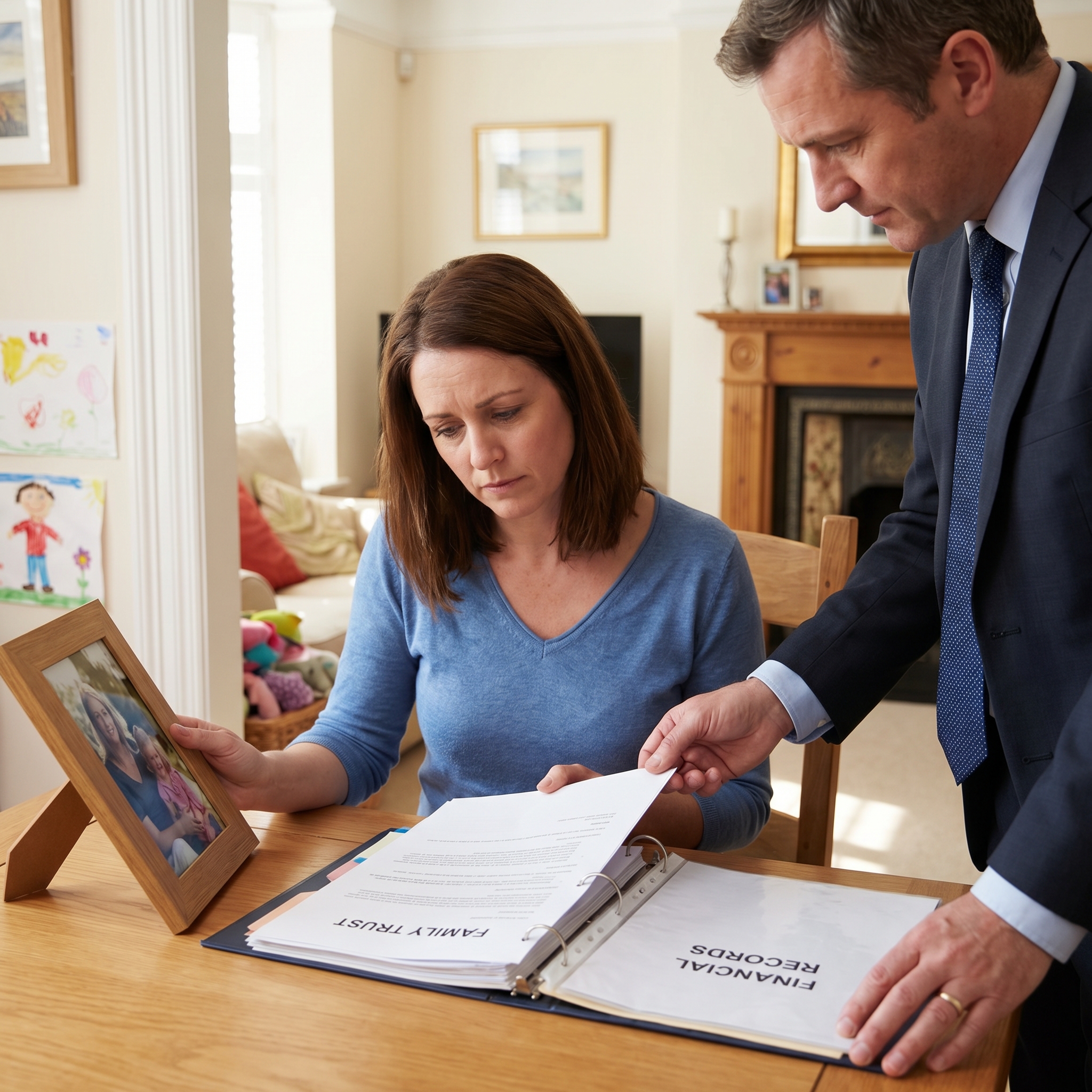
Attorneys frequently guide families on documenting each expense and connecting it clearly to the death. That might involve gathering bills, receipts, bank statements, and employer records that show missed work. In some cases, a partial settlement or structured settlement arrangement can be negotiated to address urgent needs while the broader case continues. This tactical use of the claim allows families to maintain stability without feeling forced into an early, inadequate resolution. With breathing room created by compensation, survivors can focus more on emotional recovery and less on daily financial emergencies.
Wrongful Death vs. Survival Actions
Many families are surprised to learn that there can be two distinct civil claims arising from a fatal incident. A wrongful death claim seeks compensation for the family’s own losses, such as lost financial support and loss of companionship. A survival action, where allowed by state law, belongs to the decedent’s estate and focuses on what the person themselves endured before passing. That may include pain and suffering, medical expenses, and lost wages between the injury and death. Together, these claims can broaden the available compensation and create a more complete picture of the harm caused.
The technical differences between the two actions affect who brings the claim, how damages are calculated, and how any recovery is distributed. Executors or personal representatives may need to be appointed to handle the estate portion of the case. Coordinating these claims strategically is a crucial part of personal injury advocacy after a death. An experienced lawyer can explain how your state’s laws apply, identify every available avenue of recovery, and ensure deadlines are met. This comprehensive approach helps protect all of the family’s legal and financial interests.
The Role of a Personal Injury Lawyer in These Cases
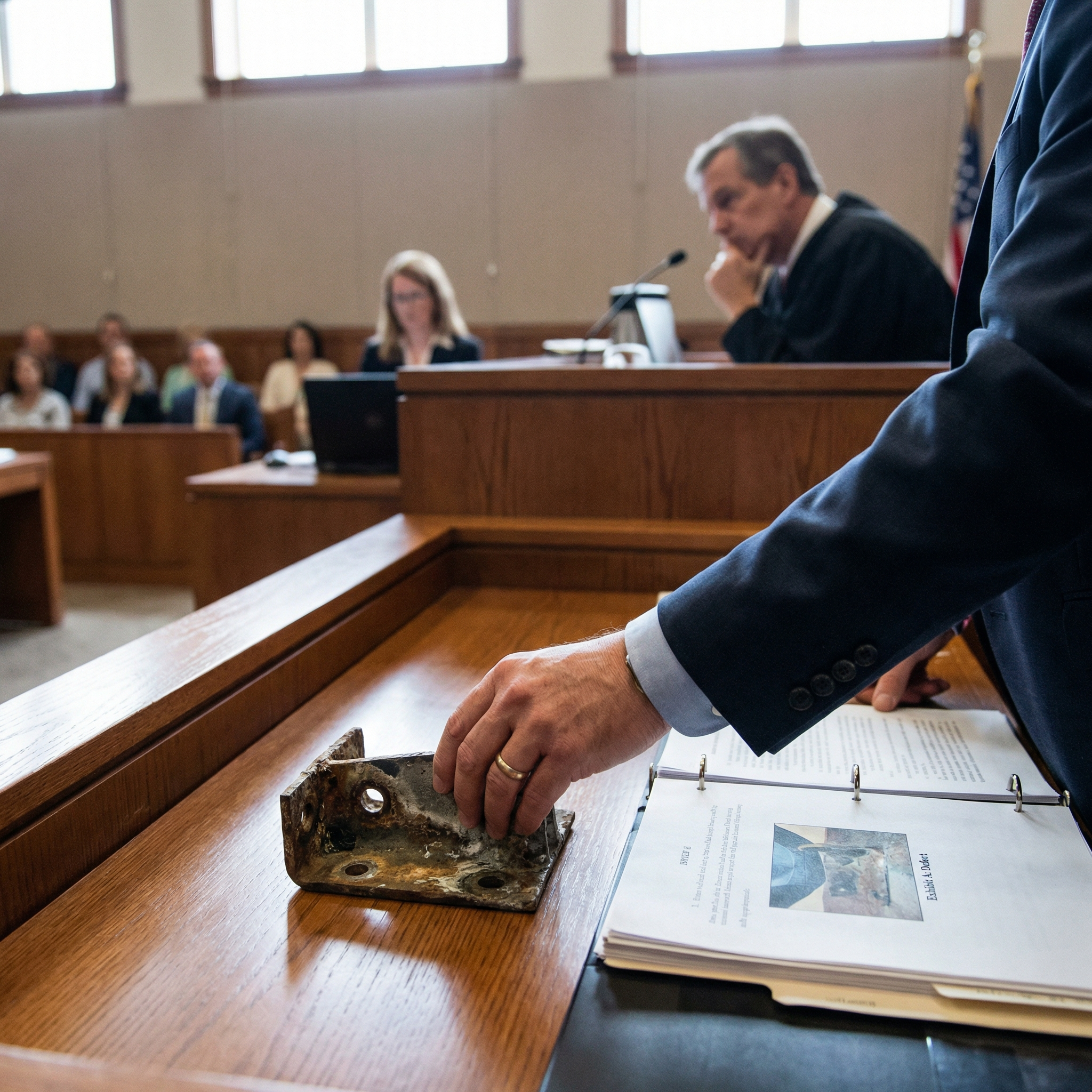
Managing a wrongful death claim alone is extremely difficult, especially while grieving. A personal injury lawyer takes on the burden of investigating the incident, preserving evidence, and identifying every party who may share responsibility. They handle communications with insurance companies that are trained to minimize payouts and may pressure families into quick settlements. By assembling police reports, medical records, witness statements, and expert opinions, the attorney builds a case that clearly connects the wrongful conduct to the death. This advocacy levels the playing field and increases the chances of a fair financial outcome.
Beyond liability, a lawyer focuses intensely on the damages side of the case, where the family’s financial support is determined. They help clients collect documentation about income, benefits, and household contributions that might otherwise be overlooked. They may enlist economists, life care planners, and grief experts to quantify both financial and emotional harm. Throughout negotiations and, if necessary, trial, the attorney frames compensation not as a windfall, but as the resources needed to safeguard the family’s future. This framing can be powerful in securing settlements that truly reflect the magnitude of the loss.
Practical Steps Families Can Take After a Wrongful Death
In the aftermath of a fatal incident, small practical steps can have a big impact on a future claim. Families should try to preserve any physical evidence, photographs, or digital communications related to the event. Keeping a file with medical bills, funeral records, and correspondence from insurers or employers is also helpful. Avoiding detailed conversations or recorded statements with insurance representatives before speaking to an attorney can prevent harmful misunderstandings. Documenting the decedent’s role in the household, including daily tasks and caregiving responsibilities, adds important detail to the damages story.
Reaching out to a personal injury lawyer as early as reasonably possible allows the legal team to begin protecting your rights right away. Time limits apply to wrongful death cases, and important evidence can disappear if not preserved promptly. An attorney can explain which family members may bring claims, how compensation is typically divided, and what to expect from the process. With trusted legal guidance, families can turn a painful loss into a claim that provides genuine, long-term financial support. That support, while never a replacement for a loved one, can be a crucial anchor as survivors rebuild their lives.