
Medical Device Recalls and the Path to Legal Accountability
Medical device recalls are public warnings that something has gone seriously wrong with a product designed to protect patient health. For injured patients and families, these recalls can also become powerful evidence in a personal injury claim. They can help connect the dots between a device malfunction and a life changing injury or death. Yet many people never learn about the recall notices tied to the products used in their procedures or implanted in their bodies. Understanding how recalls intersect with personal injury law is critical to protecting both your health and your legal rights.
Medical Devices and Hidden Risks in Everyday Care
Medical devices now touch nearly every aspect of modern care, from simple infusion pumps to complex heart implants and surgical robots. When these devices work as intended, they help clinicians diagnose, monitor, and treat conditions more safely and efficiently. When they malfunction, however, they can bypass normal safeguards and expose patients to sudden and severe harm. Many device defects are invisible to patients, hidden inside circuitry, software code, or sterile packaging. This combination of complexity and invisibility makes legal investigation especially important after an unexplained complication.
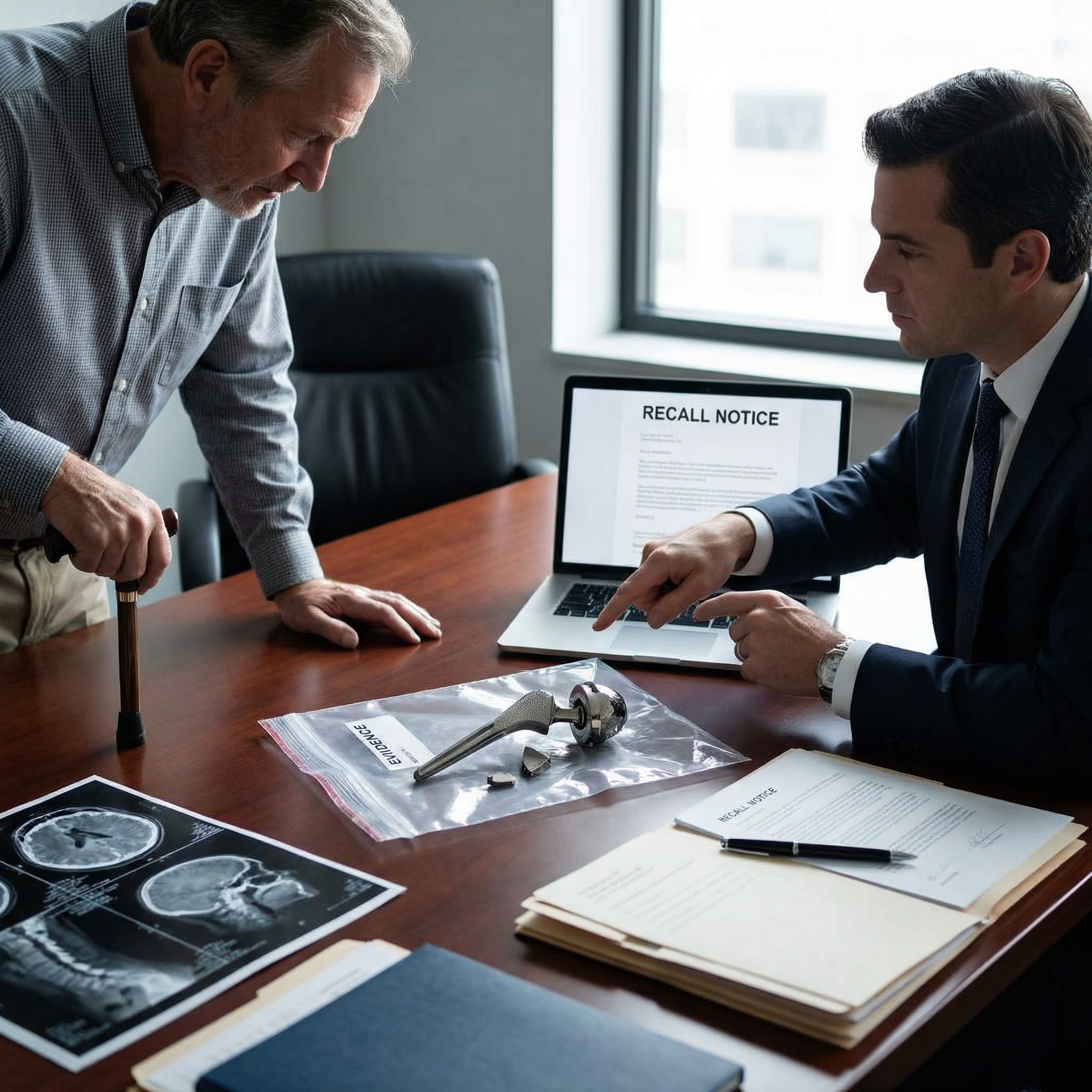
In a personal injury case, lawyers often start by identifying exactly which device was involved and how it was used in the course of treatment. That process may require reviewing hospital records, implant cards, pharmacy labels, or billing codes that point to a specific manufacturer and model. Once a device is identified, counsel can research whether it has been subject to prior complaints, safety alerts, or medical device recalls. This background can clarify whether an injury was a rare side effect or part of a larger pattern of malfunctions. The more clearly a pattern emerges, the stronger the argument that the manufacturer or other parties failed in their duty to keep patients safe.
When a Recall Signals a Dangerous Malfunction
Medical device recalls are generally issued when a manufacturer or regulator concludes that a product defect poses a risk of injury or death. These defects can involve hardware that breaks or leaks, software that malfunctions or freezes, or instructions that are misleading or incomplete. A recall does not necessarily mean every unit will fail, but it does indicate that the product is unsafe enough to demand corrective action. That action might include removing products from shelves, updating software, revising labeling, or notifying doctors to stop using the device. For injured patients, the recall documentation can reveal exactly what the manufacturer knew and when they knew it.
Personal injury lawyers carefully review recall notices to determine whether an injury matches the described hazard. If, for example, a recall cites faulty battery performance in a cardiac device and a patient suffered a heart rhythm crisis, there may be a direct link. Attorneys also look at the timing of the recall compared with the date of surgery, implantation, or treatment. If an injury happened after a recall, questions arise about whether the hospital or doctor continued using a known risky product. If it happened before, the issue may be that the company delayed acting on danger signs, allowing preventable harm to occur.
Building a Negligence Claim Around a Recalled Device
When a medical device recall intersects with a serious injury, several types of legal claims may be available. A product liability claim focuses on the device itself, alleging that it was defectively designed, defectively manufactured, or sold without adequate warnings. A negligence claim can extend to hospitals, clinics, or physicians who may have ignored recall instructions or failed to inform patients about known risks. In some situations, there may also be claims for breach of warranty if the product did not perform as promised. Each type of claim requires specific evidence tying the recalled device to the injuries suffered. The recall notice becomes one piece of a much larger evidentiary puzzle.
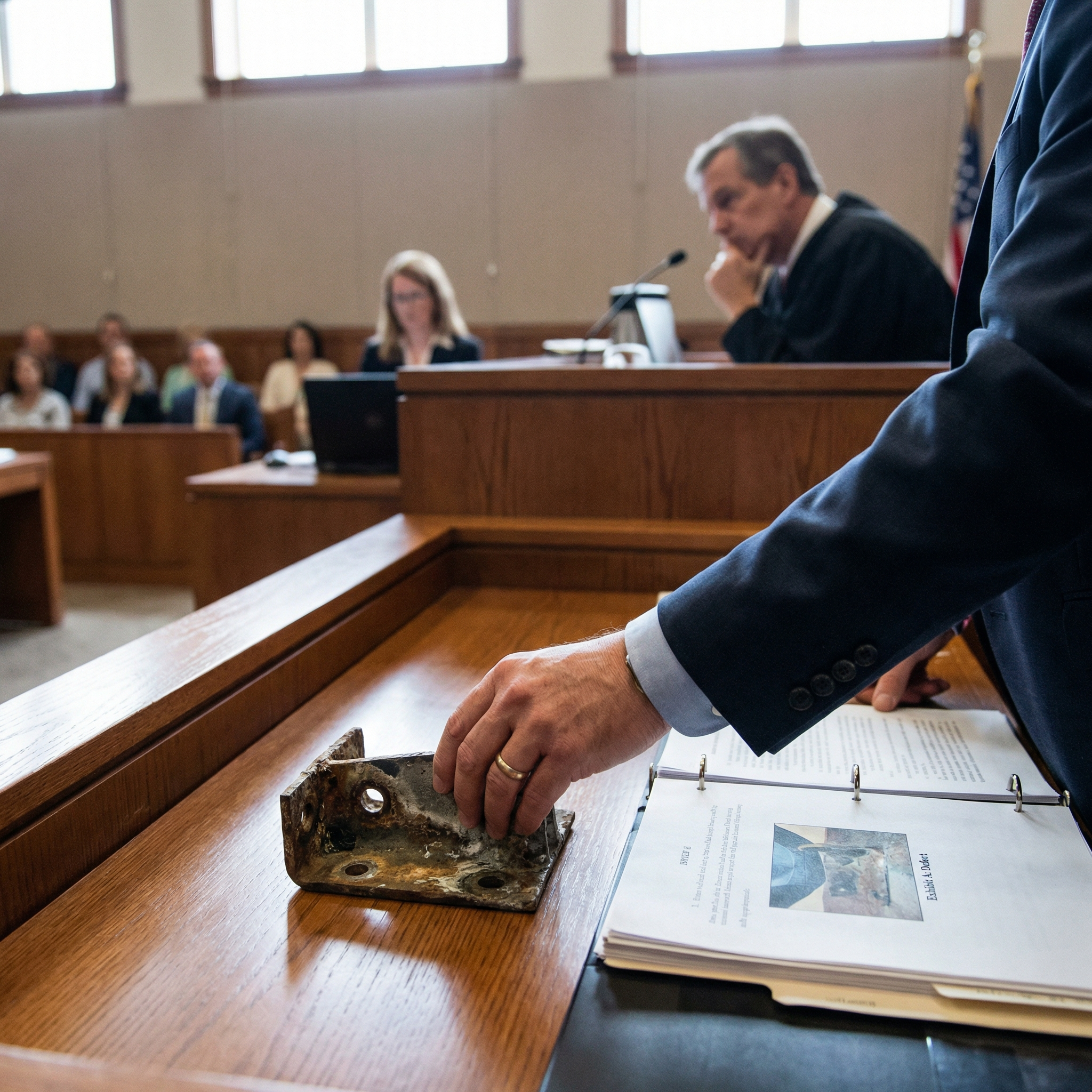
To succeed, an injured patient must generally show that the defective device was used, that it malfunctioned in a way the recall describes, and that this malfunction caused the harm. Lawyers routinely work with biomedical engineers, human factors experts, and medical specialists to demonstrate this chain of causation. They may obtain internal manufacturer documents through litigation, revealing how complaints were handled and what testing was or was not completed. These records can show whether the company acted reasonably when problems emerged or instead minimized or concealed known hazards. Strong evidence of delay or indifference can significantly increase the value of a personal injury case tied to a recalled device.
Key Evidence Patients and Families Should Preserve
After a device related injury, critical evidence can disappear quickly if no one moves to secure it. Patients should, whenever possible, preserve the device itself, including any external components, packaging, or instruction materials. Hospital or clinic staff may send defective devices back to the manufacturer or discard them unless someone specifically requests that they be preserved. Keeping written records of conversations with providers about the incident can also prove important later. These records help fill in gaps about what was observed at the time and what explanations were given to the patient or family.
Medical records are another essential source of evidence in recall related claims. They document which device was used, who ordered and implanted it, and how problems first appeared. Billing records can confirm product names and model numbers when chart notes are incomplete. Pharmacy records, device identification cards, and patient education handouts can further corroborate the type of device and the instructions received. Collectively, this documentation gives a personal injury lawyer the raw material needed to investigate possible connections to medical device recalls.
Special Issues in Medical Device Recall Lawsuits
Claims involving recalled medical devices raise legal issues that do not appear in many other personal injury cases. One recurring question is whether the federal regulatory process shields the manufacturer from certain types of state law claims. This concept, often called preemption, can be especially complex with Class III devices that went through a rigorous approval process. Another issue involves statutes of limitation and repose, which set strict time limits on filing lawsuits. Delays between implantation, discovery of problems, and announcement of a recall can make timing a critical legal battleground. As a result, prompt legal evaluation is essential even if a recall is still developing.
Another challenge lies in proving exactly which failure point caused the injury when many players are involved in device design and distribution. Sometimes software is written by one company, hardware manufactured by another, and final assembly done elsewhere. Sterilization, packaging, and labeling may involve additional contractors. Each entity’s role must be examined to determine who bears legal responsibility. Personal injury attorneys experienced in device cases know how to track this chain of responsibility and bring claims against all appropriate parties.
First Steps to Protect Your Health and Legal Rights
If you suspect a medical device malfunction has harmed you or a loved one, prioritizing safety and information gathering is crucial. Seek immediate medical care to address any ongoing complications and ask providers whether the device might be involved. Request copies of relevant medical records as soon as possible, including operative reports and discharge summaries. If you have any product packaging, identification cards, or written instructions, store them in a safe place. Avoid agreeing to return a device to a manufacturer without first speaking with an attorney, since surrendering it can make later proof more difficult.
Once your immediate health needs are stabilized, consulting a personal injury lawyer with experience in medical device cases can help clarify your options. Counsel can check for active medical device recalls, review medical records, and determine whether urgent steps are needed to preserve evidence. They can also advise you about deadlines, potential defendants, and whether other similar cases are already pending. Even if you are unsure whether a recall exists, a preliminary legal evaluation can uncover information that is not easily accessible to patients. Taking these early steps can make the difference between unanswered questions and a well supported claim for accountability and compensation.