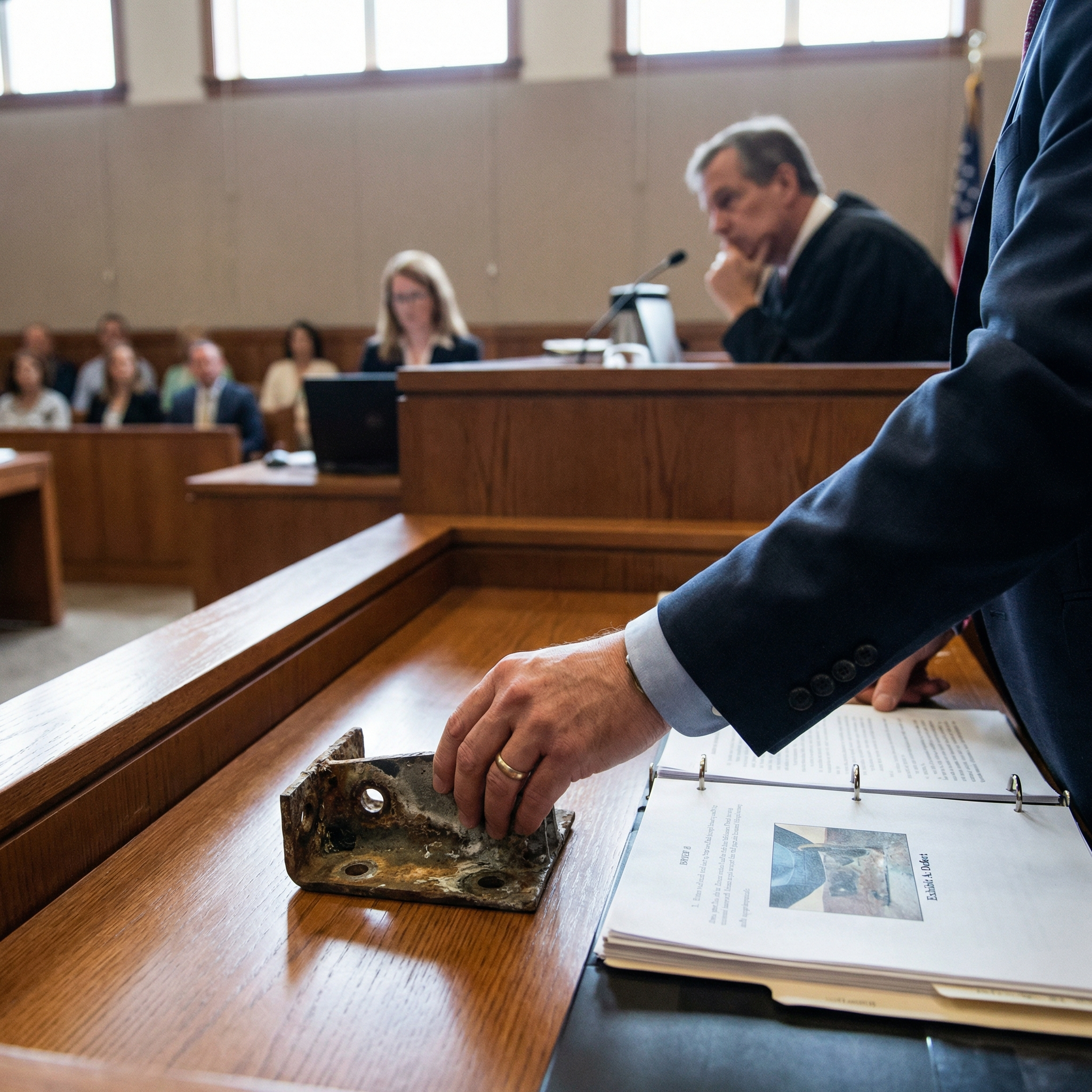


When Everyday Products Turn Dangerous, the Law Can Do More Than Apologize
Most people expect the products they buy to be safe when used as directed, yet defective household tools, appliances, medical devices, cosmetics, and electronics injure consumers every day. When that happens, personal injury law is only part of the story. Modern consumer protection laws add powerful tools that can hold companies accountable. These laws reach beyond basic negligence and let injured consumers challenge deceptive marketing, broken promises, and unsafe design choices. Used correctly, they can turn a private injury into a strong legal claim that pressures manufacturers to change their behavior.
- They establish safety and honesty standards for companies that sell to the public.
- They create extra remedies, including statutory damages and attorney’s fees in some cases.
- They help injury lawyers prove patterns of misconduct, not just a one-time mistake.
Defective Products and the Legal Duties Behind Every Sale
Every time a product changes hands, the companies in the chain of distribution take on legal duties to the person who will ultimately use it. Manufacturers must design and build items that are reasonably safe when used as intended or in foreseeable ways. Distributors and retailers must avoid selling goods they know, or should know, are unreasonably dangerous. These duties exist alongside everyday promises about quality, safety, and performance made on labels, in ads, and through warranties. When a product fails in a way that causes injury, those broken promises and duties become the foundation of a product injury claim.
Defects generally fall into three broad categories that can all support a lawsuit. Design defects involve products that are inherently unsafe even when made exactly according to the plan. Manufacturing defects arise when something goes wrong on the factory floor, causing a particular unit or batch to be unsafe. Warning or instruction defects occur when the product is sold without adequate directions or alerts about foreseeable risks. Consumer protection laws often intersect with each of these categories by regulating how risks are communicated, how benefits are described, and how performance claims are made.
Key Consumer Protection Laws That Support Injury Claims
Many states have consumer protection statutes that prohibit unfair or deceptive acts or practices in the sale of goods and services. These laws are designed to protect the public from misleading advertising, hidden terms, and dishonest sales tactics. When someone is physically injured by a product, those same laws can become a powerful supplement to traditional personal injury claims. If a company downplayed risks, overstated safety features, or buried important limitations in fine print, an unfair or deceptive practice claim may be available. That additional claim can increase leverage in settlement negotiations and sometimes provide access to different categories of damages.
Warranty law is another important piece of the consumer protection landscape that personal injury attorneys frequently rely on. Implied warranties promise that products are reasonably fit for their ordinary purposes, even when no written guarantee is included. Written warranties, often found in packaging or online, create additional obligations that can be enforced when someone gets hurt using the product. In some situations, federal law strengthens consumers’ ability to enforce written warranties and recover attorney’s fees. By pairing warranty claims with negligence or strict liability theories, an injured person’s legal team can present a more complete picture of how the product and the company both failed.
Misleading Marketing, Hidden Risks, and Failure-to-Warn Claims
Modern consumer protection statutes focus heavily on the truthfulness and completeness of marketing messages. Companies that promote products as safe, gentle, non-toxic, shatterproof, or “doctor recommended” are taking on legal risk if those claims are not backed by reality. When injuries occur, those marketing statements become crucial evidence about what the consumer was led to believe. If important risks were buried, minimized, or contradicted by bold safety claims, a deceptive practice allegation may arise. That allegation can support a separate cause of action on top of a traditional failure-to-warn product liability claim.
Failure-to-warn cases are especially powerful when combined with consumer protection concepts. A company might argue that a risk was technically mentioned somewhere in the paperwork, hoping that is enough to defeat liability. Consumer protection laws push back by asking whether the warning was actually clear, prominent, and understandable to an ordinary person. Lawyers can compare the size, placement, and wording of the warning to the size and tone of the safety promises. When a package shouts about benefits but whispers about hazards, those inconsistencies can significantly strengthen an injured person’s case.
Strict Liability and Burden of Proof: Why Consumers Do Not Need a Smoking Gun
In many jurisdictions, strict product liability allows injured people to recover without proving that a company was careless in the traditional sense. Instead, the focus is on whether the product was defective and unreasonably dangerous when it left the seller’s control. Consumer protection laws support this framework by defining what counts as unreasonable or deceptive in the marketplace. A pattern of safety complaints, internal testing that revealed hazards, or marketing that glossed over known problems can all demonstrate that a product crossed the line. The combination of strict liability and consumer protection principles keeps the burden on companies rather than on injured individuals.
Because consumers rarely see how products are designed, tested, and approved, the law recognizes that demanding direct proof of every mistake would be unrealistic. Consumer protection statutes often make it easier to use circumstantial evidence such as repeated breakdowns, contradictory instructions, or vague warranty exclusions. Violations of these statutes may be treated as evidence that the company breached a duty to the public. In some settings, regulatory findings or prior settlements related to the same product can also support an inference of defect. This legal structure gives injured people a fairer chance to challenge large manufacturers that control most of the relevant information.
Evidence Personal Injury Lawyers Gather Using Consumer Laws
Consumer protection law shapes the kind of evidence a personal injury attorney will seek when investigating a defective product case. Advertising archives, website screenshots, social media promotions, and point-of-sale displays all become critical documents. Lawyers carefully compare those materials to the actual performance and risks of the product. They also examine the product packaging, inserts, and manuals to see how warnings and warranty terms are presented. Any gap between the marketing story and real-world risks can support claims of deceptive practices and strengthen the overall liability argument.
Attorneys may also look beyond the materials aimed directly at consumers. Internal policies, training documents for sales staff, and communications with retailers can reveal what the company knew about safety issues. Prior customer complaints, returns, or service bulletins often show whether the problem was isolated or widespread. When regulators have questioned the product, those records can highlight the company’s response or lack of action. All of this evidence is used to tell a coherent story about how the product was sold, what consumers were led to expect, and why the resulting injuries were preventable.
Damages Available When Consumer Protection and Injury Law Work Together
When a defective product causes harm, traditional personal injury damages include medical expenses, lost income, pain and suffering, and other tangible and intangible losses. Consumer protection laws may add new layers of recovery depending on the jurisdiction. Some statutes authorize statutory damages, which provide a set amount for each violation regardless of the exact financial loss. Others allow successful consumers to recover their attorney’s fees, making it more affordable to pursue a claim. In cases of especially reckless or dishonest conduct, punitive damages might also be available to deter similar behavior in the future.
Although the law does not allow double recovery for the same injury, multiple legal theories can work together to capture different aspects of the harm. For example, a defect claim might focus on the physical mechanics of the product failure, while a deceptive marketing claim highlights the false sense of security created by the advertising. Warranty claims can address broken promises about durability or performance that left the consumer exposed to unexpected danger. By presenting the full range of legal options, an experienced attorney can seek a resolution that reflects both the medical impact and the broader misconduct. This multi-layered approach often encourages companies and insurers to take negotiations more seriously.
Individual Suits, Group Actions, and the Need to Act Quickly
Defective product cases can move forward as individual lawsuits, grouped claims, or large collective actions, depending on how many people are affected. Consumer protection issues often appear across many customers who bought the same product and heard the same marketing messages. When injuries are widespread, group litigation may be used to address common questions about defectiveness and deceptive conduct. Even in those settings, each injured person’s medical damages, lost wages, and long-term needs remain highly personal. A knowledgeable personal injury attorney can explain whether an individual case or a group approach makes the most sense.
Regardless of the path chosen, time limits called statutes of limitation apply to both personal injury and consumer protection claims. Evidence such as packaging, receipts, and damaged products can be lost if action is delayed. Digital marketing materials and online representations can also change quickly, making early documentation critical. Speaking with an attorney soon after an injury allows for prompt investigation, preservation of key materials, and careful selection of the strongest legal theories. Taking those steps helps ensure that consumer protection laws do what they were designed to do: empower injured individuals to stand up to powerful companies and demand meaningful accountability.